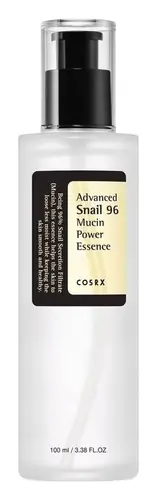
This barrier-repair moisturizer is formulated around Houttuynia Cordata Extract and Centella Asiatica Extract to strengthen the skin barrier and calm redness.
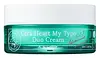
This barrier-repair moisturizer is formulated around Sodium Hyaluronate to strengthen the skin barrier and hydrate skin.


What's inside
What's inside
 Key Ingredients
Benefits
Concerns
Ingredients Side-by-side
Propanediol
Solvent

Glycerin
Humectant
Sodium Hyaluronate
Humectant


Butylene Glycol
Humectant
Sorbitol
Humectant
Isohexadecane
EmollientCaprylic/Capric Triglyceride
Masking
Houttuynia Cordata Extract
Skin Conditioning
Betaine
Humectant
Centella Asiatica Extract
Cleansing
Glyceryl Stearate
Emollient

Salvia Officinalis Extract
Antimicrobial
Glycyrrhiza Glabra Root Extract
Bleaching

Sorghum Bicolor Leaf/Stem Extract
Skin ConditioningAspergillus Ferment
Skin ConditioningChlorphenesin
Antimicrobial
Arginine
Masking
Acrylates/C10-30 Alkyl Acrylate Crosspolymer
Emulsion StabilisingAllantoin
Skin Conditioning
Sorbitan Sesquioleate
Emulsifying
Ethylhexylglycerin
Skin ConditioningXanthan Gum
EmulsifyingGuaiazulene
Antimicrobial

Cetyl Ethylhexanoate
EmollientEthylhexyl Stearate
Emollient


Macadamia Ternifolia Seed Oil
Emollient
Ceramide NP
Skin Conditioning
Cetyl Alcohol
Emollient
Sorbitan Stearate
Emulsifying
Butyrospermum Parkii Butter
Skin Conditioning
Olea Europaea Fruit Oil
Masking
Microcrystalline Wax
Emulsion StabilisingCandelilla Cera
Emollient
Portulaca Oleracea Extract
Skin Conditioning
Salicornia Herbacea Extract
Skin ConditioningPhragmites Communis Extract
Skin ConditioningAloe Barbadensis Leaf Extract
Emollient
Dioscorea Japonica Root Extract
Skin Conditioning
Laminaria Japonica Extract
Skin Protecting
1,2-Hexanediol
Skin Conditioning
Arachidyl Alcohol
Emollient
Behenyl Alcohol
Emollient
Arachidyl Glucoside
EmulsifyingCarbomer
Emulsion StabilisingPropanediol, Glycerin, Sodium Hyaluronate, Butylene Glycol, Sorbitol, Isohexadecane, Caprylic/Capric Triglyceride, Houttuynia Cordata Extract, Betaine, Centella Asiatica Extract, Glyceryl Stearate, Salvia Officinalis Extract, Glycyrrhiza Glabra Root Extract, Sorghum Bicolor Leaf/Stem Extract, Aspergillus Ferment, Chlorphenesin, Arginine, Acrylates/C10-30 Alkyl Acrylate Crosspolymer, Allantoin, Sorbitan Sesquioleate, Ethylhexylglycerin, Xanthan Gum, Guaiazulene, Cetyl Ethylhexanoate, Ethylhexyl Stearate, Macadamia Ternifolia Seed Oil, Ceramide NP, Cetyl Alcohol, Sorbitan Stearate, Butyrospermum Parkii Butter, Olea Europaea Fruit Oil, Microcrystalline Wax, Candelilla Cera, Portulaca Oleracea Extract, Salicornia Herbacea Extract, Phragmites Communis Extract, Aloe Barbadensis Leaf Extract, Dioscorea Japonica Root Extract, Laminaria Japonica Extract, 1,2-Hexanediol, Arachidyl Alcohol, Behenyl Alcohol, Arachidyl Glucoside, Carbomer
Water
Skin ConditioningDimethicone
Emollient
Glycerin
Humectant
Cetearyl Olivate
Polyacrylamide
Sorbitan Olivate
Emulsifying
Phenoxyethanol
Preservative
Dimethicone/Vinyl Dimethicone Crosspolymer
Skin Conditioning
Synthetic Beeswax
Emulsion Stabilising
C13-14 Isoparaffin
Emollient
Dimethiconol
Emollient
Dimethicone Crosspolymer
Emulsion Stabilising
Chlorphenesin
Antimicrobial
Laureth-7
EmulsifyingCarbomer
Emulsion StabilisingSodium Hyaluronate
Humectant
Ethylhexylglycerin
Skin ConditioningC12-14 Pareth-12
EmulsifyingSodium Hydroxide
BufferingWater, Dimethicone, Glycerin, Cetearyl Olivate, Polyacrylamide, Sorbitan Olivate, Phenoxyethanol, Dimethicone/Vinyl Dimethicone Crosspolymer, Synthetic Beeswax, C13-14 Isoparaffin, Dimethiconol, Dimethicone Crosspolymer, Chlorphenesin, Laureth-7, Carbomer, Sodium Hyaluronate, Ethylhexylglycerin, C12-14 Pareth-12, Sodium Hydroxide
Reviews
Ingredients Explained
These ingredients are found in both products.
Ingredients higher up in an ingredient list are typically present in a larger amount.
Carbomer is a synthetic thickening and gelling agent. It's basically the ingredient that gives a lot of serums, gels, creams, and sunscreens their smooth, non-sticky texture.
Although legally permitted at very high levels, carbomers are normally used at concentrations below 1%.
It also needs to be neutralized to actually thicken, and because it is a large molecule, it doesn't really penetrate the skin barrier.
Allergy-wise, the risk is very low. Clinical studies show carbomers have low potential for skin irritation/sensitization even at concentrations up to 100%.
A 2024 UK study patch-tested 1,302 patients and found true allergy to the parent group of carbomer to be rare with no confirmed relevant reactions.
Learn more about CarbomerChlorphenesin is a synthetic preservative. It helps protect a product against bacteria in order to extend shelf life. In most cases, Chlorphenesin is paired with other preservatives such as phenoxyethanol and caprylyl glycol.
Chlorphenesin is a biocide. This means it is able to help fight the microorganisms on our skin. It is also able to fight odor-releasing bacteria.
Chlorphenesin is soluble in both water and glycerin.
Studies show Chlorphenesin is easily absorbed by our skin. You should speak with a skincare professional if you have concerns about using Chlorphenesin.
Learn more about ChlorphenesinEthylhexylglycerin is created from glycerin. It is a multitasker ingredient that:
The CIR Expert Panel found minimal skin absorption or sensitization of any kind in a safety assessment. Though this ingredient is considered well-tolerated, a small number of cases of allergic dermatitis have been published since 2002. Just be sure to patch test if you are unsure.
Industry-reported use ranges from 8% in rinse-off products and 2% in leave-on formulations.
Learn more about EthylhexylglycerinGlycerin (or glycerol) is a compound naturally found in your skin. It's a powerhouse humectant that pulls water into the stratum corneum.
Topically, glycerin does several things at once:
Your skin makes glycerin on its own (mostly from sebaceous oil breakdown) and shuttles it to your outermost layer of skin, or your epidermis, via aquaporin-3.
Aquaporin-3 is a transporter that is essential for normal skin hydration, elasticity, and repair. Interestingly, mice lacking in AQP3 have dry and less elastic skin that can be fully corrected with glycerin.
This ingredient is non-irritating, plays well with almost every ingredient, and works across all skin types. Typical use is anywhere between 3-10% but can go up to 79% in some leave-on products.
Just know very high concentrations (>40%) can feel tacky in low humidity.
Glycerin is the name for this ingredient in American English. British English uses Glycerol/Glycerine.
Learn more about GlycerinSodium Hyaluronate is the salt form of hyaluronic acid. It is a long sugar chain that is naturally found in your skin, joints, and connective tissue that maintains hydration and elasticity.
In skincare, it works as a humectant. It pulls water from the environment and deeper layers of skin and binds it to the surface.
Interestingly, the size of the molecule affects its behavior:
Some clinical evidence links low molecular weight versions to improved wrinkle depth, elasticity, anti-inflammatory effects, and barrier repair.
Many serums use a blend of both weights so you can get surface hydration plus longer-lasting and deeper effects.
You'll typically see concentrations between 0.1-2% for this ingredient.
Learn more about Sodium Hyaluronate