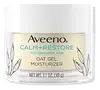
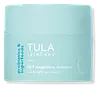
Aveeno Calm + Restore Oat Gel Moisturizer Versus Tula Skincare 24-7 Weightless Moisture Day & Night Gel Cream

What's inside
What's inside
 Key Ingredients
Benefits
Concerns
Ingredients Side-by-side
Water
Skin ConditioningGlycerin
Humectant


Dimethicone
Emollient
Cetearyl Olivate

Avena Sativa Kernel Flour
Abrasive

Sorbitan Olivate
Emulsifying
Polyacrylamide
Synthetic Beeswax
Emulsion Stabilising
Phenoxyethanol
Preservative
C13-14 Isoparaffin
Emollient
Butylene Glycol
Humectant
Dimethicone Crosspolymer
Emulsion Stabilising
Panthenol
Skin Conditioning

Chlorphenesin
Antimicrobial
Dimethiconol
Emollient
Carbomer
Emulsion StabilisingLaureth-7
EmulsifyingChrysanthemum Parthenium Flower/Leaf/Stem Juice
Antioxidant
Ethylhexylglycerin
Skin ConditioningSodium Hydroxide
BufferingAvena Sativa Kernel Extract
Abrasive
Centella Asiatica Extract
Cleansing
Water, Glycerin, Dimethicone, Cetearyl Olivate, Avena Sativa Kernel Flour, Sorbitan Olivate, Polyacrylamide, Synthetic Beeswax, Phenoxyethanol, C13-14 Isoparaffin, Butylene Glycol, Dimethicone Crosspolymer, Panthenol, Chlorphenesin, Dimethiconol, Carbomer, Laureth-7, Chrysanthemum Parthenium Flower/Leaf/Stem Juice, Ethylhexylglycerin, Sodium Hydroxide, Avena Sativa Kernel Extract, Centella Asiatica Extract
Water
Skin ConditioningGlycerin
Humectant
C13-15 Alkane
SolventPropanediol
Solvent
Sodium Acrylates Copolymer
Maris Aqua
HumectantCollagen Amino Acids
Moisturising
Citrullus Lanatus Fruit Extract
Skin Conditioning
Pyrus Malus Fruit Extract
Skin Conditioning
Hydrolyzed Rice Protein
Skin ConditioningPunica Granatum Pericarp Extract
Skin ConditioningNiacinamide
Smoothing





Lactococcus Ferment Lysate
Skin Conditioning
Lactobacillus
Skin ConditioningLactobacillus Ferment
Skin Conditioning
Curcuma Longa Root Extract
Masking
Lactic Acid
Buffering


Alpha-Glucan Oligosaccharide
Cleansing
Beta Vulgaris Root Extract
Skin ConditioningSodium Hyaluronate
Humectant
Lens Esculenta Fruit Extract
Skin ConditioningPolymnia Sonchifolia Root Juice
Skin ConditioningSodium Acetylated Hyaluronate
Humectant
Hydrolyzed Sodium Hyaluronate
Skin Conditioning
Sodium Hyaluronate Crosspolymer
Humectant
Tetrahexyldecyl Ascorbate
Antioxidant
Inulin
Skin Conditioning
Leuconostoc/Radish Root Ferment Filtrate
Antimicrobial
Vaccinium Myrtillus Leaf Extract
AstringentPterocarpus Marsupium Bark/Wood Extract
Sodium PCA
Humectant
Coco-Caprylate/Caprate
Emollient
Lecithin
Emollient
1,2-Hexanediol
Skin Conditioning
Urea
Buffering
Lysolecithin
EmulsifyingPentylene Glycol
Skin Conditioning
Hydroxyacetophenone
Antioxidant
Caprylhydroxamic Acid
Trisodium Ethylenediamine Disuccinate
Sodium Lactate
Buffering
Citric Acid
Buffering
Phenethyl Alcohol
MaskingTocopheryl Acetate
Antioxidant
Caprylyl Glycol
Emollient
Maltodextrin
Absorbent
Sodium Benzoate
Masking
Potassium Sorbate
Preservative
Phytic Acid
Sodium Hydroxide
BufferingButylene Glycol
Humectant
Tocopherol
Antioxidant
Sodium Chloride
MaskingEthylhexylglycerin
Skin ConditioningCI 42090
Cosmetic ColorantWater, Glycerin, C13-15 Alkane, Propanediol, Sodium Acrylates Copolymer, Maris Aqua, Collagen Amino Acids, Citrullus Lanatus Fruit Extract, Pyrus Malus Fruit Extract, Hydrolyzed Rice Protein, Punica Granatum Pericarp Extract, Niacinamide, Lactococcus Ferment Lysate, Lactobacillus, Lactobacillus Ferment, Curcuma Longa Root Extract, Lactic Acid, Alpha-Glucan Oligosaccharide, Beta Vulgaris Root Extract, Sodium Hyaluronate, Lens Esculenta Fruit Extract, Polymnia Sonchifolia Root Juice, Sodium Acetylated Hyaluronate, Hydrolyzed Sodium Hyaluronate, Sodium Hyaluronate Crosspolymer, Tetrahexyldecyl Ascorbate, Inulin, Leuconostoc/Radish Root Ferment Filtrate, Vaccinium Myrtillus Leaf Extract, Pterocarpus Marsupium Bark/Wood Extract, Sodium PCA, Coco-Caprylate/Caprate, Lecithin, 1,2-Hexanediol, Urea, Lysolecithin, Pentylene Glycol, Hydroxyacetophenone, Caprylhydroxamic Acid, Trisodium Ethylenediamine Disuccinate, Sodium Lactate, Citric Acid, Phenethyl Alcohol, Tocopheryl Acetate, Caprylyl Glycol, Maltodextrin, Sodium Benzoate, Potassium Sorbate, Phytic Acid, Sodium Hydroxide, Butylene Glycol, Tocopherol, Sodium Chloride, Ethylhexylglycerin, CI 42090
Reviews
Ingredients Explained
These ingredients are found in both products.
Ingredients higher up in an ingredient list are typically present in a larger amount.
Butylene Glycol (or BG) is used within cosmetic products for a few different reasons:
Overall, Butylene Glycol is a safe and well-rounded ingredient that works well with other ingredients.
Though this ingredient works well with most skin types, some people with sensitive skin may experience a reaction such as allergic rashes, closed comedones, or itchiness.
Learn more about Butylene GlycolEthylhexylglycerin is created from glycerin. It is a multitasker ingredient that:
The CIR Expert Panel found minimal skin absorption or sensitization of any kind in a safety assessment. Though this ingredient is considered well-tolerated, a small number of cases of allergic dermatitis have been published since 2002. Just be sure to patch test if you are unsure.
Industry-reported use ranges from 8% in rinse-off products and 2% in leave-on formulations.
Learn more about EthylhexylglycerinGlycerin (or glycerol) is a compound naturally found in your skin. It's a powerhouse humectant that pulls water into the stratum corneum.
Topically, glycerin does several things at once:
Your skin makes glycerin on its own (mostly from sebaceous oil breakdown) and shuttles it to your outermost layer of skin, or your epidermis, via aquaporin-3.
Aquaporin-3 is a transporter that is essential for normal skin hydration, elasticity, and repair. Interestingly, mice lacking in AQP3 have dry and less elastic skin that can be fully corrected with glycerin.
This ingredient is non-irritating, plays well with almost every ingredient, and works across all skin types. Typical use is anywhere between 3-10% but can go up to 79% in some leave-on products.
Just know very high concentrations (>40%) can feel tacky in low humidity.
Glycerin is the name for this ingredient in American English. British English uses Glycerol/Glycerine.
Learn more about GlycerinSodium Hydroxide is also known as lye or caustic soda. It is used to adjust the pH of products; many ingredients require a specific pH to be effective.
In small amounts, sodium hydroxide is considered safe to use. However, large amounts may cause chemical burns due to its high alkaline.
Your skin has a natural pH and acid mantle. This acid mantle helps prevent harmful bacteria from breaking through. The acid mantle also helps keep your skin hydrated.
"Alkaline" refers to a high pH level. A low pH level would be considered acidic.
Learn more about Sodium HydroxideWater. It's the most common cosmetic ingredient of all. You'll usually see it at the top of ingredient lists, meaning that it makes up the largest part of the product.
So why is it so popular? Water most often acts as a solvent - this means that it helps dissolve other ingredients into the formulation.
You'll also recognize water as that liquid we all need to stay alive. If you see this, drink a glass of water. Remember to stay hydrated!
Learn more about Water
