Avant Skincare Discovery Edit - Collagen Intense Radiance Activator Serum Versus S.NATURE Aqua Squalane Moisturizing Cream
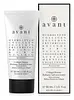
This anti-aging serum is formulated around Niacinamide and Sodium Hyaluronate to soften the look of wrinkles and brighten dull-looking skin.


What's inside
What's inside
 Key Ingredients
Benefits
Concerns
No concerns
Ingredients Side-by-side
Water
Skin ConditioningDicaprylyl Carbonate
EmollientButylene Glycol
Humectant

Caprylic/Capric Triglyceride
Masking
PEG-100 Stearate
Surfactant

Glyceryl Stearate
Emollient
Betaine
Humectant
Sodium Hyaluronate
Humectant


Urea
Buffering

Glycerin
Humectant
Sorbitol
Humectant
Hydrolyzed Collagen
Emollient
Trehalose
Humectant
Lecithin
Emollient
Serine
Masking
Niacinamide
Smoothing





Arginine
Masking
Pyridoxine Hcl
Skin ConditioningCalcium Pantothenate
Phenylalanine
Masking
Histidine Hcl
Skin ConditioningTyrosine
MaskingErythritol
Humectant
Rna
Skin ConditioningAlgin
MaskingPullulan
Tocopherol
Antioxidant

Tocopheryl Acetate
Antioxidant
Ascorbyl Palmitate
Antioxidant
Retinyl Palmitate
Skin Conditioning
Ubiquinone
Antioxidant
Thioctic Acid
Antioxidant
Arachidyl Glucoside
EmulsifyingDisodium Adenosine Triphosphate
Skin ConditioningMannitol
Humectant
Maltodextrin
Absorbent
Potassium Phosphate
BufferingDisodium Phosphate
BufferingSodium Ascorbyl Phosphate
Antioxidant
Dimethicone
Emollient
Caprylyl Glycol
Emollient
Arachidyl Alcohol
Emollient
Sodium Starch Octenylsuccinate
AbsorbentGlyceryl Polyacrylate
Glyceryl Linoleate
Emollient
Glyceryl Linolenate
Emollient
Glyceryl Caprylate
EmollientSilica
Abrasive
Sodium Polyacrylate
Absorbent
Behenyl Alcohol
Emollient
Cetyl Alcohol
Emollient
Xanthan Gum
EmulsifyingPentylene Glycol
Skin Conditioning
Disodium EDTA
ChelatingCitric Acid
Buffering
Parfum
Masking



Ethylhexylglycerin
Skin ConditioningPhenoxyethanol
Preservative
Water, Dicaprylyl Carbonate, Butylene Glycol, Caprylic/Capric Triglyceride, PEG-100 Stearate, Glyceryl Stearate, Betaine, Sodium Hyaluronate, Urea, Glycerin, Sorbitol, Hydrolyzed Collagen, Trehalose, Lecithin, Serine, Niacinamide, Arginine, Pyridoxine Hcl, Calcium Pantothenate, Phenylalanine, Histidine Hcl, Tyrosine, Erythritol, Rna, Algin, Pullulan, Tocopherol, Tocopheryl Acetate, Ascorbyl Palmitate, Retinyl Palmitate, Ubiquinone, Thioctic Acid, Arachidyl Glucoside, Disodium Adenosine Triphosphate, Mannitol, Maltodextrin, Potassium Phosphate, Disodium Phosphate, Sodium Ascorbyl Phosphate, Dimethicone, Caprylyl Glycol, Arachidyl Alcohol, Sodium Starch Octenylsuccinate, Glyceryl Polyacrylate, Glyceryl Linoleate, Glyceryl Linolenate, Glyceryl Caprylate, Silica, Sodium Polyacrylate, Behenyl Alcohol, Cetyl Alcohol, Xanthan Gum, Pentylene Glycol, Disodium EDTA, Citric Acid, Parfum, Ethylhexylglycerin, Phenoxyethanol
Water
Skin ConditioningSqualane
Emollient
Glycerin
Humectant
1,2-Hexanediol
Skin Conditioning
Betaine
Humectant
Panthenol
Skin Conditioning
Sodium Hyaluronate
Humectant
Hydrolyzed Collagen
Emollient
Hydroxypropyltrimonium Hyaluronate
Hydrolyzed Hyaluronic Acid
Humectant
Sodium Acetylated Hyaluronate
Humectant
Acetyl Hexapeptide-8
Humectant
Adenosine
Skin Conditioning
Hyaluronic Acid
Humectant
Hydrolyzed Sodium Hyaluronate
Skin Conditioning
Sodium Hyaluronate Crosspolymer
Humectant
Potassium Hyaluronate
Skin ConditioningAcrylates/C10-30 Alkyl Acrylate Crosspolymer
Emulsion StabilisingArginine
Masking
Allantoin
Skin Conditioning
Xylitylglucoside
Humectant
Anhydroxylitol
Humectant
Xylitol
Humectant
Glucose
Humectant
Butylene Glycol
Humectant
Ammonium Acryloyldimethyltaurate/Vp Copolymer
Caprylyl Glycol
Emollient
Water, Squalane, Glycerin, 1,2-Hexanediol, Betaine, Panthenol, Sodium Hyaluronate, Hydrolyzed Collagen, Hydroxypropyltrimonium Hyaluronate, Hydrolyzed Hyaluronic Acid, Sodium Acetylated Hyaluronate, Acetyl Hexapeptide-8, Adenosine, Hyaluronic Acid, Hydrolyzed Sodium Hyaluronate, Sodium Hyaluronate Crosspolymer, Potassium Hyaluronate, Acrylates/C10-30 Alkyl Acrylate Crosspolymer, Arginine, Allantoin, Xylitylglucoside, Anhydroxylitol, Xylitol, Glucose, Butylene Glycol, Ammonium Acryloyldimethyltaurate/Vp Copolymer, Caprylyl Glycol
Reviews
Ingredients Explained
These ingredients are found in both products.
Ingredients higher up in an ingredient list are typically present in a larger amount.
Arginine is a semi-essential amino acid. This just means our bodies can product a bit on its own, but sometimes needs a little boost from food sources.
It is a part of your skin's natural moisturizing factor (NMF), or the water-loving molecules in your outermost layer of skin (stratum corneum) that keeps everything hydrated and happy.
Here's an interesting thing about Arginine: your skin converts it into urea through the Krebs-Henseleit urea cycle. Urea is one of the most effective humectants your skin naturally produces.
A clinical study showed applying 2.5% arginine hydrochloride to atopic dermatitis skin showed significant urea levels in the stratum corneum and improved moisture in just four weeks.
Arginine is also a precursor to nitric oxide; nitric oxide improves microcirculation and supports wound healing and collagen synthesis.
One study found that an amino acid complex containing Arginine reduced skin irritation, improved hydration, and accelerated skin repair in clinical / in-vivo studies.
Arginine itself is an amino acid and not a fatty acid, oil, or ester. On its own, it's not a direct food source for Malassezia, or the yeast that causes fungal acne.
Learn more about ArginineBetaine is a humectant. Like hyaluronic acid, it helps attract and retain moisture in the skin. It’s known for being gentle and for helping the skin maintain balanced hydration.
Betaine is mainly used to improve hydration and support calmer skin. It helps skin cells regulate water balance because it functions as an osmolyte.
Some studies suggest betaine may support making skin tone more even.
Fun fact: Betaine naturally exists in the skin and the body. In cosmetic products, it can be either plant-derived (most commonly from sugar beets) or synthetically produced for consistency and stability.
Betaine is also known as trimethylglycine.
Learn more about BetaineButylene Glycol (or BG) is used within cosmetic products for a few different reasons:
Overall, Butylene Glycol is a safe and well-rounded ingredient that works well with other ingredients.
Though this ingredient works well with most skin types, some people with sensitive skin may experience a reaction such as allergic rashes, closed comedones, or itchiness.
Learn more about Butylene GlycolCaprylyl Glycol is a humectant, skin conditioner, emollient, and preservative booster derived from either caprylic acid or synthetically created.
Typical use levels vary from 0.3-1% as a preservative booster and go up to 2% to condition skin.
Because it is not a free-fatty acid, this ingredient is fungal acne safe (there's nothing for Malassezia to feed on).
Learn more about Caprylyl GlycolGlycerin (or glycerol) is a compound naturally found in your skin. It's a powerhouse humectant that pulls water into the stratum corneum.
Topically, glycerin does several things at once:
Your skin makes glycerin on its own (mostly from sebaceous oil breakdown) and shuttles it to your outermost layer of skin, or your epidermis, via aquaporin-3.
Aquaporin-3 is a transporter that is essential for normal skin hydration, elasticity, and repair. Interestingly, mice lacking in AQP3 have dry and less elastic skin that can be fully corrected with glycerin.
This ingredient is non-irritating, plays well with almost every ingredient, and works across all skin types. Typical use is anywhere between 3-10% but can go up to 79% in some leave-on products.
Just know very high concentrations (>40%) can feel tacky in low humidity.
Glycerin is the name for this ingredient in American English. British English uses Glycerol/Glycerine.
Learn more about GlycerinHydrolyzed Collagen is Collagen (usually sourced from fish, bovine, or porcine byproducts) that's been broken down into smaller peptides. This makes it water-soluble and easy to blend into formulations.
In a formula, it works mainly as a skin-conditioning and moisturizing agent.
The small peptides and amino acids (including Natural Moisturizing Factor components like Hydroxyproline, Serine, and Aspartic Acid) help the surface of the skin hold onto water, feel softer, and look temporarily plumper.
This ingredient also has mild film-forming and antioxidant properties with research showing the antioxidant effect is stronger the lower the molecular weight of the peptides.
It's worth being realistic here:
Topically applied Hydrolyzed Collagen conditions the upper layers of skin rather than rebuilding the structural collagen deep in your dermis (the wrinkle-and-firmness benefits people associate with Collagen mostly come from oral supplements in studies, not topicals).
However, recent lab and skin-model work on Hydrolyzed Fish Collagen has shown promising effects on cell viability and wound healing when used as an active.
Typical concentrations range from 0.2-2%, but the percentage can go much higher in rinse-off or hair products (sometimes even above 50%).
Clinical studies on this ingredient showed no irritation, sensitization, or phototoxicity.
If you are looking for vegan collagen, it usually goes by a different INCI name like hydrolyzed soy protein. Vegan collagen is derived from yeast, bacteria, or plant sources.
The results are varied.
A study from 2021 found hydrolyzed collagen increased elasticity and improved wrinkles in 1,125 participants between age 20 and 70. Another study found increased skin thickness in participants between the ages of 45 to 59.
However, It is difficult to prove that oral collagen will end up working on your skin. Many of the studies using hydrolyzed collagen also add several vitamins and nutrients into the test mixture as well.
Further studies are needed at this time.
Learn more about Hydrolyzed CollagenSodium Hyaluronate is the salt form of hyaluronic acid. It is a long sugar chain that is naturally found in your skin, joints, and connective tissue that maintains hydration and elasticity.
In skincare, it works as a humectant. It pulls water from the environment and deeper layers of skin and binds it to the surface.
Interestingly, the size of the molecule affects its behavior:
Some clinical evidence links low molecular weight versions to improved wrinkle depth, elasticity, anti-inflammatory effects, and barrier repair.
Many serums use a blend of both weights so you can get surface hydration plus longer-lasting and deeper effects.
You'll typically see concentrations between 0.1-2% for this ingredient.
Learn more about Sodium HyaluronateWater. It's the most common cosmetic ingredient of all. You'll usually see it at the top of ingredient lists, meaning that it makes up the largest part of the product.
So why is it so popular? Water most often acts as a solvent - this means that it helps dissolve other ingredients into the formulation.
You'll also recognize water as that liquid we all need to stay alive. If you see this, drink a glass of water. Remember to stay hydrated!
Learn more about Water

