Authentic Ego Super Sensa Barrier Repair Moisturizer With Pre & Postbiotics Versus Environ Skin Care Vita Peptide C-Quence Serum 1
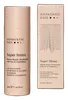
This barrier-repair moisturizer is formulated around Squalane and Niacinamide to strengthen the skin barrier and calm redness.
This anti-aging serum is formulated around Ascorbyl Tetraisopalmitate and Palmitoyl Oligopeptide to soften the look of wrinkles.


What's inside
What's inside
 Key Ingredients
Benefits
Concerns
No concerns
Ingredients Side-by-side
Water
Skin ConditioningSqualane
Emollient


Propanediol
Solvent
Glyceryl Glucoside
Humectant
Niacinamide
Smoothing









Betaine
Humectant
Ammonium Polyacryloyldimethyl Taurate
Emulsion StabilisingMaltodextrin
Absorbent
Inulin
Skin Conditioning
Swertia Chirata Extract
HumectantArtemisia Annua Extract
Masking
Benzylsulfonyl D-Seryl Homophenylalanine Amidinobenzamide Acetate
Skin ConditioningTrehalose
Humectant
Lactobacillus Ferment
Skin Conditioning
Tremella Fuciformis Sporocarp Extract
Antioxidant
Acetyl Heptapeptide-4
Humectant
Alpha-Glucan Oligosaccharide
Cleansing
Xylitylglucoside
Humectant
Anhydroxylitol
Humectant
Xylitol
Humectant
Bifida Ferment Lysate
Skin Conditioning
Polyglutamic Acid
Skin Conditioning
Panthenol
Skin Conditioning
Caprylhydroxamic Acid
Chelating1,2-Hexanediol
Skin Conditioning
Caprylyl Glycol
Emollient
Tocopheryl Acetate
Antioxidant
Water, Squalane, Propanediol, Glyceryl Glucoside, Niacinamide, Betaine, Ammonium Polyacryloyldimethyl Taurate, Maltodextrin, Inulin, Swertia Chirata Extract, Artemisia Annua Extract, Benzylsulfonyl D-Seryl Homophenylalanine Amidinobenzamide Acetate, Trehalose, Lactobacillus Ferment, Tremella Fuciformis Sporocarp Extract, Acetyl Heptapeptide-4, Alpha-Glucan Oligosaccharide, Xylitylglucoside, Anhydroxylitol, Xylitol, Bifida Ferment Lysate, Polyglutamic Acid, Panthenol, Caprylhydroxamic Acid, 1,2-Hexanediol, Caprylyl Glycol, Tocopheryl Acetate
Water
Skin ConditioningButylene Glycol
Humectant
PEG-40 Hydrogenated Castor Oil
Emulsifying


Glycerin
Humectant
Ethylhexyl Methoxycinnamate
UV Absorber


Sorbitol
Humectant
Tocopheryl Acetate
Antioxidant
C12-15 Alkyl Benzoate
AntimicrobialAscorbyl Tetraisopalmitate
Antioxidant
Sodium Lactate
Buffering
Hydrolyzed Jojoba Esters
Skin Conditioning
Polysorbate 20
Emulsifying
Palmitoyl Oligopeptide
Cleansing
Palmitoyl Tetrapeptide-7
Skin Conditioning
Tribehenin
Emollient
Ceramide Ng
Skin Conditioning
PEG-10 Phytosterol
EmulsifyingPalmitoyl Hexapeptide-12
Skin Conditioning
Carbomer
Emulsion StabilisingTea-Lactate
HumectantSerine
Masking
Lactic Acid
Buffering

Urea
Buffering
Allantoin
Skin Conditioning
Retinyl Propionate
Skin Conditioning
Sodium Chloride
MaskingDisodium EDTA
ChelatingHelianthus Annuus Seed Oil
Emollient
BHT
Antioxidant
Acrylates/C10-30 Alkyl Acrylate Crosspolymer
Emulsion StabilisingRosmarinus Officinalis Leaf Extract
AntimicrobialEpigallocatechin Gallate
Antioxidant
Xanthan Gum
EmulsifyingLycopene
Antioxidant
Sodium Hydroxide
BufferingSodium Ascorbate
Antioxidant
Tocopherol
Antioxidant
Glucose
Humectant
Corn Starch Modified
AbsorbentZea Mays Starch
Absorbent
Sodium Benzoate
Masking
Water, Butylene Glycol, PEG-40 Hydrogenated Castor Oil, Glycerin, Ethylhexyl Methoxycinnamate, Sorbitol, Tocopheryl Acetate, C12-15 Alkyl Benzoate, Ascorbyl Tetraisopalmitate, Sodium Lactate, Hydrolyzed Jojoba Esters, Polysorbate 20, Palmitoyl Oligopeptide, Palmitoyl Tetrapeptide-7, Tribehenin, Ceramide Ng, PEG-10 Phytosterol, Palmitoyl Hexapeptide-12, Carbomer, Tea-Lactate, Serine, Lactic Acid, Urea, Allantoin, Retinyl Propionate, Sodium Chloride, Disodium EDTA, Helianthus Annuus Seed Oil, BHT, Acrylates/C10-30 Alkyl Acrylate Crosspolymer, Rosmarinus Officinalis Leaf Extract, Epigallocatechin Gallate, Xanthan Gum, Lycopene, Sodium Hydroxide, Sodium Ascorbate, Tocopherol, Glucose, Corn Starch Modified, Zea Mays Starch, Sodium Benzoate
Reviews
Ingredients Explained
These ingredients are found in both products.
Ingredients higher up in an ingredient list are typically present in a larger amount.
Tocopheryl Acetate is a stable, shelf-friendly form of vitamin E.
Formulators love it because plain vitamin E oxidizes quickly once it hits air. This acetate version stays stable and resists going off, helping to extend a product's shelf life.
It's actually inactive on its own and works like a slow-release "storage" form; the enzymes in your skin called esterases gradually convert it into active vitamin E over time.
One in vivo study showed 5% of the acetate in the living layer of the epidermis converted to vitamin E after 5 days of application. This study also found the skin gained protection against UV damage even though the conversion was slow and small.
Once converted, vitamin E acts as a skin's main fat-soluble antioxidant that fights free radicals to protect skin from damage.
Topical vitamin E generally boosts the skin's photoprotection, and it reduced UV-damage in animal models.
This ingredient has some brightening potential but it's more of a prevention ingredient than spot-fader. Cell studies show it can slow down melanin production but it's worth noting that it's not the most powerful brightener out there.
Overall, it has a pretty solid safety profile and has been found to be non-irritating and non-comedogenic. Allergic reactions may happen but stay rare due to how widely the ingredient gets used.
The concentration will vary depending on the formula; industry data shows 0.1% in baby lotions, 3% in lipsticks, and 5% in foot powders. You can also find this ingredient at 100% in a pure vitamin E oil.
Most leave-on skincare keeps it at the lower end, often between 0.5-1%.
Learn more about Tocopheryl AcetateWater. It's the most common cosmetic ingredient of all. You'll usually see it at the top of ingredient lists, meaning that it makes up the largest part of the product.
So why is it so popular? Water most often acts as a solvent - this means that it helps dissolve other ingredients into the formulation.
You'll also recognize water as that liquid we all need to stay alive. If you see this, drink a glass of water. Remember to stay hydrated!
Learn more about Water

