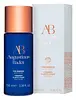
This smoothing essence is formulated around Gluconolactone and Phytic Acid to refine skin texture and brighten dull-looking skin.
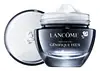
This anti-aging eye moisturizer is formulated around Bifida Ferment Lysate and Ascorbyl Glucoside to soften the look of wrinkles and strengthen the skin barrier.


What's inside
What's inside
 Key Ingredients
Benefits
Concerns
Ingredients Side-by-side
Water
Skin ConditioningGlycerin
Humectant


Gluconolactone
Chelating






Lactobacillus/Wasabia Japonica Root Ferment Extract
Antioxidant
Phytic Acid
Chelating
Sodium Hydroxide
BufferingPotassium Sorbate
Preservative
Xanthan Gum
EmulsifyingSodium Benzoate
Masking
Salicylic Acid
Masking




Caesalpinia Spinosa Gum
Skin ConditioningPaeonia Lactiflora Root Extract
Skin ConditioningPapain
Skin Conditioning
Citric Acid
Buffering
Sodium Hyaluronate
Humectant

Hydrolyzed Rice Protein
Skin ConditioningMaltodextrin
Absorbent
1,2-Hexanediol
Skin Conditioning
Caprylyl Glycol
Emollient
Carbomer
Emulsion StabilisingN-Hydroxysuccinimide
Skin ConditioningCamellia Sinensis Leaf Extract
Antimicrobial
Hydrogenated Lecithin
Emulsifying
Tocopheryl Acetate
Antioxidant
Algin
MaskingAlanyl Glutamine
HumectantArginine
Masking
Oligopeptide-177

Phenylalanine
Masking
Sisymbrium Irio Seed Oil
Masking
Sodium Chloride
MaskingWater, Glycerin, Gluconolactone, Lactobacillus/Wasabia Japonica Root Ferment Extract, Phytic Acid, Sodium Hydroxide, Potassium Sorbate, Xanthan Gum, Sodium Benzoate, Salicylic Acid, Caesalpinia Spinosa Gum, Paeonia Lactiflora Root Extract, Papain, Citric Acid, Sodium Hyaluronate, Hydrolyzed Rice Protein, Maltodextrin, 1,2-Hexanediol, Caprylyl Glycol, Carbomer, N-Hydroxysuccinimide, Camellia Sinensis Leaf Extract, Hydrogenated Lecithin, Tocopheryl Acetate, Algin, Alanyl Glutamine, Arginine, Oligopeptide-177, Phenylalanine, Sisymbrium Irio Seed Oil, Sodium Chloride
Water
Skin ConditioningCyclohexasiloxane
Emollient
Bifida Ferment Lysate
Skin Conditioning
Glycerin
Humectant
Propanediol
Solvent
Alcohol Denat.
Antimicrobial
Polysilicone-11
Dimethicone
Emollient
Polymethylsilsesquioxane
Di-C12-13 Alkyl Malate
EmollientAmmonium Polyacryloyldimethyl Taurate
Emulsion StabilisingCI 77891
Cosmetic ColorantAscorbyl Glucoside
Antioxidant
Mica
Cosmetic ColorantLactobacillus Ferment
Skin Conditioning
Hydrogenated Vegetable Oil
Emollient

Sodium Hyaluronate
Humectant
Sodium Benzoate
Masking
Hydrolyzed Wheat Protein
Skin ConditioningSodium
Sodium Dehydroacetate
Preservative
Sodium Succinate
BufferingPhenoxyethanol
Preservative
Adenosine
Skin Conditioning
Yeast Extract
Skin ConditioningPtfe
PEG-10 Dimethicone
Skin Conditioning
Arginine
Masking
Triethanolamine
BufferingChlorphenesin
Antimicrobial
Chlorhexidine Digluconate
Antimicrobial
Polygonum Fagopyrum Seed Extract
Skin ConditioningSilica
Abrasive
Salicyloyl Phytosphingosine
Skin ConditioningChlorella Vulgaris Extract
Skin ConditioningDimethiconol
Emollient
Limonene
Perfuming

Pentylene Glycol
Skin Conditioning
Synthetic Fluorphlogopite
Linalool
Perfuming
Pentaerythrityl Tetra-Di-T-Butyl Hydroxyhydrocinnamate
Antioxidant
Biosaccharide Gum-1
Humectant
Caprylic/Capric Triglyceride
Masking
Carbomer
Emulsion StabilisingBoron Nitride
Absorbent
Acrylates/C10-30 Alkyl Acrylate Crosspolymer
Emulsion StabilisingGeraniol
Perfuming
Bis-PEG/PPG-16/16 PEG/PPG-16/16 Dimethicone
Emollient
Disodium EDTA
ChelatingCeteareth-20
Cleansing
Potassium Cetyl Phosphate
EmulsifyingCitronellol
Perfuming
Methionine
Skin ConditioningPotassium Sorbate
Preservative
Glycine
Buffering
Parfum
Masking
Water, Cyclohexasiloxane, Bifida Ferment Lysate, Glycerin, Propanediol, Alcohol Denat., Polysilicone-11, Dimethicone, Polymethylsilsesquioxane, Di-C12-13 Alkyl Malate, Ammonium Polyacryloyldimethyl Taurate, CI 77891, Ascorbyl Glucoside, Mica, Lactobacillus Ferment, Hydrogenated Vegetable Oil, Sodium Hyaluronate, Sodium Benzoate, Hydrolyzed Wheat Protein, Sodium, Sodium Dehydroacetate, Sodium Succinate, Phenoxyethanol, Adenosine, Yeast Extract, Ptfe, PEG-10 Dimethicone, Arginine, Triethanolamine, Chlorphenesin, Chlorhexidine Digluconate, Polygonum Fagopyrum Seed Extract, Silica, Salicyloyl Phytosphingosine, Chlorella Vulgaris Extract, Dimethiconol, Limonene, Pentylene Glycol, Synthetic Fluorphlogopite, Linalool, Pentaerythrityl Tetra-Di-T-Butyl Hydroxyhydrocinnamate, Biosaccharide Gum-1, Caprylic/Capric Triglyceride, Carbomer, Boron Nitride, Acrylates/C10-30 Alkyl Acrylate Crosspolymer, Geraniol, Bis-PEG/PPG-16/16 PEG/PPG-16/16 Dimethicone, Disodium EDTA, Ceteareth-20, Potassium Cetyl Phosphate, Citronellol, Methionine, Potassium Sorbate, Glycine, Parfum
Reviews
Alternatives
Ingredients Explained
These ingredients are found in both products.
Ingredients higher up in an ingredient list are typically present in a larger amount.
Arginine is a semi-essential amino acid. This just means our bodies can product a bit on its own, but sometimes needs a little boost from food sources.
It is a part of your skin's natural moisturizing factor (NMF), or the water-loving molecules in your outermost layer of skin (stratum corneum) that keeps everything hydrated and happy.
Here's an interesting thing about Arginine: your skin converts it into urea through the Krebs-Henseleit urea cycle. Urea is one of the most effective humectants your skin naturally produces.
A clinical study showed applying 2.5% arginine hydrochloride to atopic dermatitis skin showed significant urea levels in the stratum corneum and improved moisture in just four weeks.
Arginine is also a precursor to nitric oxide; nitric oxide improves microcirculation and supports wound healing and collagen synthesis.
One study found that an amino acid complex containing Arginine reduced skin irritation, improved hydration, and accelerated skin repair in clinical / in-vivo studies.
Arginine itself is an amino acid and not a fatty acid, oil, or ester. On its own, it's not a direct food source for Malassezia, or the yeast that causes fungal acne.
Learn more about ArginineCarbomer is a synthetic thickening and gelling agent. It's basically the ingredient that gives a lot of serums, gels, creams, and sunscreens their smooth, non-sticky texture.
Although legally permitted at very high levels, carbomers are normally used at concentrations below 1%.
It also needs to be neutralized to actually thicken, and because it is a large molecule, it doesn't really penetrate the skin barrier.
Allergy-wise, the risk is very low. Clinical studies show carbomers have low potential for skin irritation/sensitization even at concentrations up to 100%.
A 2024 UK study patch-tested 1,302 patients and found true allergy to the parent group of carbomer to be rare with no confirmed relevant reactions.
Learn more about CarbomerGlycerin (or glycerol) is a compound naturally found in your skin. It's a powerhouse humectant that pulls water into the stratum corneum.
Topically, glycerin does several things at once:
Your skin makes glycerin on its own (mostly from sebaceous oil breakdown) and shuttles it to your outermost layer of skin, or your epidermis, via aquaporin-3.
Aquaporin-3 is a transporter that is essential for normal skin hydration, elasticity, and repair. Interestingly, mice lacking in AQP3 have dry and less elastic skin that can be fully corrected with glycerin.
This ingredient is non-irritating, plays well with almost every ingredient, and works across all skin types. Typical use is anywhere between 3-10% but can go up to 79% in some leave-on products.
Just know very high concentrations (>40%) can feel tacky in low humidity.
Glycerin is the name for this ingredient in American English. British English uses Glycerol/Glycerine.
Learn more about GlycerinPotassium Sorbate is a preservative used to prevent yeast and mold in products. It is commonly found in both cosmetic and food products.
This ingredient comes from potassium salt derived from sorbic acid. Sorbic acid is a natural antibiotic and effective against fungus.
Both potassium sorbate and sorbic acid can be found in baked goods, cheeses, dried meats, dried fruit, ice cream, pickles, wine, yogurt, and more.
You'll often find this ingredient used with other preservatives.
Learn more about Potassium SorbateSodium Benzoate is a preservative. It's used in both cosmetic and food products to inhibit the growth of mold and bacteria. It is typically produced synthetically.
Both the US FDA and EU Health Committee have approved the use of sodium benzoate. In the US, levels of 0.1% (of the total product) are allowed.
Sodium benzoate works as a preservative by inhibiting the growth of bacteria inside of cells. It prevents the cell from fermenting a type of sugar using an enzyme called phosphofructokinase.
It is the salt of benzoic acid. Foods containing sodium benzoate include soda, salad dressings, condiments, fruit juices, wines, and snack foods.
Studies for using ascorbic acid and sodium benzoate in cosmetics are lacking, especially in skincare routines with multiple steps.
We always recommend speaking with a professional, such as a dermatologist, if you have any concerns.
Learn more about Sodium BenzoateSodium Hyaluronate is the salt form of hyaluronic acid. It is a long sugar chain that is naturally found in your skin, joints, and connective tissue that maintains hydration and elasticity.
In skincare, it works as a humectant. It pulls water from the environment and deeper layers of skin and binds it to the surface.
Interestingly, the size of the molecule affects its behavior:
Some clinical evidence links low molecular weight versions to improved wrinkle depth, elasticity, anti-inflammatory effects, and barrier repair.
Many serums use a blend of both weights so you can get surface hydration plus longer-lasting and deeper effects.
You'll typically see concentrations between 0.1-2% for this ingredient.
Learn more about Sodium HyaluronateWater. It's the most common cosmetic ingredient of all. You'll usually see it at the top of ingredient lists, meaning that it makes up the largest part of the product.
So why is it so popular? Water most often acts as a solvent - this means that it helps dissolve other ingredients into the formulation.
You'll also recognize water as that liquid we all need to stay alive. If you see this, drink a glass of water. Remember to stay hydrated!
Learn more about Water

