Slurp Decalt Versus Augustinus Bader The Essence
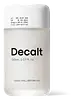
This pore-care treatment is formulated around Gluconolactone and Salicylic Acid to refine the look of pores and refine skin texture.
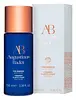
This smoothing essence is formulated around Gluconolactone and Phytic Acid to refine skin texture and brighten dull-looking skin.


What's inside
What's inside
 Key Ingredients
Benefits
Concerns
Ingredients Side-by-side
Water
Skin ConditioningPropanediol
Solvent

Gluconolactone
Chelating







Glycerin
Humectant
Butylene Glycol
Humectant
1,2-Hexanediol
Skin Conditioning
Arginine
Masking
Hydrogenated Lecithin
Emulsifying
Caprylic/Capric Triglyceride
Masking
Potassium Cetyl Phosphate
EmulsifyingSimmondsia Chinensis Seed Oil
Emollient


Salicylic Acid
Masking




Hydroxyacetophenone
Antioxidant
Allantoin
Skin Conditioning

Dipotassium Glycyrrhizate
Humectant
Squalane
Emollient
Volcanic Ash Extract
Skin ConditioningTrehalose
Humectant
Hydroxyethylcellulose
Emulsion StabilisingSea Water
HumectantArtemisia Princeps Leaf Extract
Skin ConditioningSodium Hyaluronate
Humectant
Juniperus Mexicana Oil
Masking
Rosmarinus Officinalis Leaf Oil
Masking
Amyris Balsamifera Bark Oil
Masking

Anthemis Nobilis Flower Oil
Masking
Ethyl Hexanediol
SolventWater, Propanediol, Gluconolactone, Glycerin, Butylene Glycol, 1,2-Hexanediol, Arginine, Hydrogenated Lecithin, Caprylic/Capric Triglyceride, Potassium Cetyl Phosphate, Simmondsia Chinensis Seed Oil, Salicylic Acid, Hydroxyacetophenone, Allantoin, Dipotassium Glycyrrhizate, Squalane, Volcanic Ash Extract, Trehalose, Hydroxyethylcellulose, Sea Water, Artemisia Princeps Leaf Extract, Sodium Hyaluronate, Juniperus Mexicana Oil, Rosmarinus Officinalis Leaf Oil, Amyris Balsamifera Bark Oil, Anthemis Nobilis Flower Oil, Ethyl Hexanediol
Water
Skin ConditioningGlycerin
Humectant
Gluconolactone
Chelating
Lactobacillus/Wasabia Japonica Root Ferment Extract
Antioxidant
Phytic Acid
Chelating
Sodium Hydroxide
BufferingPotassium Sorbate
Preservative
Xanthan Gum
EmulsifyingSodium Benzoate
Masking
Salicylic Acid
Masking
Caesalpinia Spinosa Gum
Skin ConditioningPaeonia Lactiflora Root Extract
Skin ConditioningPapain
Skin Conditioning
Citric Acid
Buffering
Sodium Hyaluronate
Humectant
Hydrolyzed Rice Protein
Skin ConditioningMaltodextrin
Absorbent
1,2-Hexanediol
Skin Conditioning
Caprylyl Glycol
Emollient
Carbomer
Emulsion StabilisingN-Hydroxysuccinimide
Skin ConditioningCamellia Sinensis Leaf Extract
Antimicrobial
Hydrogenated Lecithin
Emulsifying
Tocopheryl Acetate
Antioxidant
Algin
MaskingAlanyl Glutamine
HumectantArginine
Masking
Oligopeptide-177

Phenylalanine
Masking
Sisymbrium Irio Seed Oil
Masking
Sodium Chloride
MaskingWater, Glycerin, Gluconolactone, Lactobacillus/Wasabia Japonica Root Ferment Extract, Phytic Acid, Sodium Hydroxide, Potassium Sorbate, Xanthan Gum, Sodium Benzoate, Salicylic Acid, Caesalpinia Spinosa Gum, Paeonia Lactiflora Root Extract, Papain, Citric Acid, Sodium Hyaluronate, Hydrolyzed Rice Protein, Maltodextrin, 1,2-Hexanediol, Caprylyl Glycol, Carbomer, N-Hydroxysuccinimide, Camellia Sinensis Leaf Extract, Hydrogenated Lecithin, Tocopheryl Acetate, Algin, Alanyl Glutamine, Arginine, Oligopeptide-177, Phenylalanine, Sisymbrium Irio Seed Oil, Sodium Chloride
Reviews
Alternatives
Ingredients Explained
These ingredients are found in both products.
Ingredients higher up in an ingredient list are typically present in a larger amount.
1,2-Hexanediol is a synthetic liquid and another multi-functional powerhouse.
It is a:
- Humectant, drawing moisture into the skin
- Emollient, helping to soften skin
- Solvent, dispersing and stabilizing formulas
- Preservative booster, enhancing the antimicrobial activity of other preservatives
Arginine is a semi-essential amino acid. This just means our bodies can product a bit on its own, but sometimes needs a little boost from food sources.
It is a part of your skin's natural moisturizing factor (NMF), or the water-loving molecules in your outermost layer of skin (stratum corneum) that keeps everything hydrated and happy.
Here's an interesting thing about Arginine: your skin converts it into urea through the Krebs-Henseleit urea cycle. Urea is one of the most effective humectants your skin naturally produces.
A clinical study showed applying 2.5% arginine hydrochloride to atopic dermatitis skin showed significant urea levels in the stratum corneum and improved moisture in just four weeks.
Arginine is also a precursor to nitric oxide; nitric oxide improves microcirculation and supports wound healing and collagen synthesis.
One study found that an amino acid complex containing Arginine reduced skin irritation, improved hydration, and accelerated skin repair in clinical / in-vivo studies.
Arginine itself is an amino acid and not a fatty acid, oil, or ester. On its own, it's not a direct food source for Malassezia, or the yeast that causes fungal acne.
Learn more about ArginineGluconolactone is a PHA. PHAs are a great gentle alternative to traditional AHAs.
When applied, Gluconolactone has the same affect on skin as AHAs such as lactic acid. It helps dissolve the dead skin cells in the top layer of your skin. This improves texture and brightens the skin.
PHAs are more gentle than AHAs due to their larger structure. They do not penetrate as deeply as AHAs and take a longer time to dissolve dead cells. Studies show PHAs do not cause as much irritation.
Gluconolactone has some interesting properties:
In a 2004 study, Gluconolactone was found to prevent UV damage in mouse skin cells and has not been found to increase sun sensitivity. However, we still recommend wearing SPF daily.
This ingredient is is an created by reacting gluconic acid with an alcohol.
Learn more about GluconolactoneGlycerin (or glycerol) is a compound naturally found in your skin. It's a powerhouse humectant that pulls water into the stratum corneum.
Topically, glycerin does several things at once:
Your skin makes glycerin on its own (mostly from sebaceous oil breakdown) and shuttles it to your outermost layer of skin, or your epidermis, via aquaporin-3.
Aquaporin-3 is a transporter that is essential for normal skin hydration, elasticity, and repair. Interestingly, mice lacking in AQP3 have dry and less elastic skin that can be fully corrected with glycerin.
This ingredient is non-irritating, plays well with almost every ingredient, and works across all skin types. Typical use is anywhere between 3-10% but can go up to 79% in some leave-on products.
Just know very high concentrations (>40%) can feel tacky in low humidity.
Glycerin is the name for this ingredient in American English. British English uses Glycerol/Glycerine.
Learn more about GlycerinHydrogenated Lecithin is a more stable version of lecithin.
It's made by taking lecithin (a phospholipid commonly found in soybeans and egg yolks) and hydrogenating it. This just means the unsaturated fatty acids are turned into saturated ones so they don't go bad as easily.
This ingredient is an emollient, emulsifier, and penetration enhancer. As an emollient, it helps soften and hydrate skin by trapping moisture within. As an emulsifier, it prevents oil and water ingredients from separating.
Hydrogenated Lecithin can form tiny spherical structures made of phospholipid bilayers called liposomes. These liposomes are able to capture compounds inside their structure and deliver them through the skin barrier.
Because phospholipids are a natural component of our cell membranes, this ingredient is inherently compatible with skin.
A 2021 study found lecithin-based surfactants were less harsh and more tolerable comared to Sodium Lauryl Sulfate (SLS).
Learn more about Hydrogenated LecithinSalicylic Acid (also known as beta hydroxy acid or BHA) is a well-known ingredient for treating skin that struggles with acne and clogged pores. It exfoliates both the skin's surface and deep within the pores to help clear out buildup, control oil, and reduce inflammation.
Unlike AHAs (alpha hydroxy acids), salicylic acid is oil-soluble. This allows it to penetrate into pores which makes it especially effective for treating blackheads and preventing future breakouts.
Salicylic acid is also known for its soothing properties. It has a similar structure to aspirin and can calm inflamed or irritated skin, making it a good option for acne-prone skin that is also sensitive.
Concentrations of 0.5-2% are recognized by the U.S. FDA as an over-the-counter topical acne product.
It can cause irritation and/or dryness if one's skin already has a compromised moisture barrier, so it's best to focus on repairing that before introducing this ingredient into your routine.
While salicylic acid does not increase sun sensitivity, it’s still important to wear sunscreen daily to protect your skin.
If you are looking for the ingredient called BHA or Butylated Hydroxyanisole, click here.
Learn more about Salicylic AcidSodium Hyaluronate is the salt form of hyaluronic acid. It is a long sugar chain that is naturally found in your skin, joints, and connective tissue that maintains hydration and elasticity.
In skincare, it works as a humectant. It pulls water from the environment and deeper layers of skin and binds it to the surface.
Interestingly, the size of the molecule affects its behavior:
Some clinical evidence links low molecular weight versions to improved wrinkle depth, elasticity, anti-inflammatory effects, and barrier repair.
Many serums use a blend of both weights so you can get surface hydration plus longer-lasting and deeper effects.
You'll typically see concentrations between 0.1-2% for this ingredient.
Learn more about Sodium HyaluronateWater. It's the most common cosmetic ingredient of all. You'll usually see it at the top of ingredient lists, meaning that it makes up the largest part of the product.
So why is it so popular? Water most often acts as a solvent - this means that it helps dissolve other ingredients into the formulation.
You'll also recognize water as that liquid we all need to stay alive. If you see this, drink a glass of water. Remember to stay hydrated!
Learn more about Water

