

What's inside
What's inside
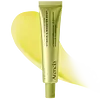 Key Ingredients
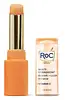
Benefits
Concerns
No concerns
Ingredients Side-by-side
Water
Skin ConditioningGlycerin
Humectant


Methylpropanediol
Solvent3-O-Ethyl Ascorbic Acid
Skin Conditioning




Butylene Glycol
Humectant
Caprylic/Capric Triglyceride
Masking
1,2-Hexanediol
Skin Conditioning
Niacinamide
Smoothing





Cetyl Ethylhexanoate
EmollientCetearyl Olivate

Polyglyceryl-3 Methylglucose Distearate
Emulsifying
Diisostearyl Malate
EmollientSodium Polyacrylate
Absorbent
Acrylates/C10-30 Alkyl Acrylate Crosspolymer
Emulsion StabilisingSorbitan Olivate
Emulsifying
Arginine
Masking
Gardenia Florida Fruit Extract
Skin ConditioningXanthan Gum
EmulsifyingEthylhexylglycerin
Skin ConditioningDextrin
AbsorbentAdenosine
Skin Conditioning
Allantoin
Skin Conditioning
Ascorbic Acid
Antioxidant
Glutathione
Panthenol
Skin Conditioning
Pyridoxine
Skin ConditioningTocopherol
Antioxidant
Ascorbyl Glucoside
Antioxidant
Sodium Ascorbyl Phosphate
Antioxidant
Water, Glycerin, Methylpropanediol, 3-O-Ethyl Ascorbic Acid, Butylene Glycol, Caprylic/Capric Triglyceride, 1,2-Hexanediol, Niacinamide, Cetyl Ethylhexanoate, Cetearyl Olivate, Polyglyceryl-3 Methylglucose Distearate, Diisostearyl Malate, Sodium Polyacrylate, Acrylates/C10-30 Alkyl Acrylate Crosspolymer, Sorbitan Olivate, Arginine, Gardenia Florida Fruit Extract, Xanthan Gum, Ethylhexylglycerin, Dextrin, Adenosine, Allantoin, Ascorbic Acid, Glutathione, Panthenol, Pyridoxine, Tocopherol, Ascorbyl Glucoside, Sodium Ascorbyl Phosphate
C13-15 Alkane
SolventWater
Skin ConditioningCocoglycerides
Emollient
Helianthus Annuus Seed Wax
Skin Conditioning
Butylene Glycol
Humectant
Acrylates Crosspolymer
AbsorbentPolyhydroxystearic Acid
Emulsifying
Tetrahexyldecyl Ascorbate
Antioxidant
Bis-Behenyl/Isostearyl/Phytosteryl Dimer Dilinoleyl Dimer Dilinoleate
EmollientPolyglyceryl-4 Oleate
Emulsifying
Cetearyl Olivate
Polyglyceryl-6 Oleate
Emulsifying
Helianthus Annuus Seed Oil Unsaponifiables
Emollient
Troxerutin
Skin Conditioning
Calcium Aluminum Borosilicate
Diisostearyl Malate
EmollientGluconolactone
Skin Conditioning
Sorbitan Olivate
Emulsifying
Tocopheryl Acetate
Antioxidant
Sodium Benzoate
Masking
Sodium PCA
Humectant
Maltodextrin
Absorbent
Cistus Incanus Flower/Leaf/Stem Extract
Skin ConditioningHaematococcus Pluvialis Extract
Antioxidant
Octyldodecanol
Emollient
Calcium Gluconate
HumectantMalic Acid
Buffering


Pentaerythrityl Tetraisostearate
Emollient
Tocopherol
Antioxidant
Astaxanthin
Skin Conditioning
Caprylic/Capric Triglyceride
Masking
Propylene Carbonate
SolventStearalkonium Hectorite
Gel FormingPalmitoyl Hexapeptide-12
Skin Conditioning
CI 77491
Cosmetic ColorantC13-15 Alkane, Water, Cocoglycerides, Helianthus Annuus Seed Wax, Butylene Glycol, Acrylates Crosspolymer, Polyhydroxystearic Acid, Tetrahexyldecyl Ascorbate, Bis-Behenyl/Isostearyl/Phytosteryl Dimer Dilinoleyl Dimer Dilinoleate, Polyglyceryl-4 Oleate, Cetearyl Olivate, Polyglyceryl-6 Oleate, Helianthus Annuus Seed Oil Unsaponifiables, Troxerutin, Calcium Aluminum Borosilicate, Diisostearyl Malate, Gluconolactone, Sorbitan Olivate, Tocopheryl Acetate, Sodium Benzoate, Sodium PCA, Maltodextrin, Cistus Incanus Flower/Leaf/Stem Extract, Haematococcus Pluvialis Extract, Octyldodecanol, Calcium Gluconate, Malic Acid, Pentaerythrityl Tetraisostearate, Tocopherol, Astaxanthin, Caprylic/Capric Triglyceride, Propylene Carbonate, Stearalkonium Hectorite, Palmitoyl Hexapeptide-12, CI 77491
Reviews
Alternatives
Ingredients Explained
These ingredients are found in both products.
Ingredients higher up in an ingredient list are typically present in a larger amount.
Butylene Glycol (or BG) is used within cosmetic products for a few different reasons:
Overall, Butylene Glycol is a safe and well-rounded ingredient that works well with other ingredients.
Though this ingredient works well with most skin types, some people with sensitive skin may experience a reaction such as allergic rashes, closed comedones, or itchiness.
Learn more about Butylene GlycolCaprylic/Capric Triglyceride (aka MCT Oil) is a lightweight emollient, solvent, and texture enhancer. It is considered a skin-softener by helping to prevent moisture loss.
Though it behaves like an oil, it is not technically one due to its chemical composition. One perk of this ingredient is that it is very stable, resistant to oxidation, and unlikely to go rancid.
In practice, that translates to a long shelf life and a consistently elegant skin feel.
While there is an assumption Caprylic Triglyceride can clog pores due to it being derived from coconut oil, there is no research supporting this. Just patch test if you have concerns.
Fractionated coconut oil and MCT Oil are both listed as Caprylic/Capric Triglyceride according to INCI. This is because INCI names are based on the ingredient’s final chemical composition and not its marketing name or source.
This ingredient is treated as the gold standard fungal acne safe oil. Even though it is coconut derived, the problematic lauric acid is stripped out.
This leaves just caprylic (C8) and capric (C10) acid. These chain lengths actually trend antifungal; a 2020 study found caprylic acid was enough to disrupt Malassezia furfur cell membrane, with a caprylic acid derivative damaging membrane structures at concentrations as low as 0.2%.
Learn more about Caprylic/Capric TriglycerideCetearyl Olivate is a plant-derived emulsifier and texture enhancer. It helps keep the oil and water phases from separating so your formulas stay stable.
You'll likely see it combined with Sorbitan Olivate (together sold as the trade name Olivem 1000). This combination generates a liquid crystal structure that closely resemble the lipid organization of the stratum corneum.
These "skin-like" liquid crystals improve skin barrier integrity and promote the delivery of actives into the skin.
This ingredient is well-tolerated and has no significant sensitization data.
Because it is derived from the fatty acids in olive oil, this ingredient may not be fungal acne safe.
Learn more about Cetearyl OlivateDiisostearyl Malate is an emollient and most often used in lip products. It comes from isostearyl alcohol, a fatty acid, and malic acid, an AHA.
As an emollient, Diisostearyl Malate helps create a thin film on your skin to trap moisture in. This helps keep your skin soft and smooth.
Sorbitan Olivate is created from the fatty acids in olive oil and sorbitol.
This ingredient is an oil in water emulsifier. It helps stabilize a product by preventing oils and waters from separating. Sorbitan Olivate also helps hydrate the skin.
This ingredient is also known as part of Olivem 1000, with Cetearyl Olivate being the other part.
According to a manufacturer, this ingredient helps preserve the natural microbiome of skin. Having a healthy microbiome helps keep our skin healthy and protects against harmful bacteria.
Please note, having a healthy microbiome is different from fungal acne; a healthy microbiome includes small amounts of yeast that normally live on your skin without causing problems.
Fungal acne happens when one type of yeast (Malassezia) grows out of control. This is usually because it's feeding on certain oils or fatty acids. Due to the olive oil base, this ingredient may not be fungal acne safe.
Learn more about Sorbitan OlivateTocopherol is a fat-soluble antioxidant known as Vitamin E.
You'll find this ingredient in the vast majority of skincare (for good reason). It works to neutralize free radicals, or unstable molecules generated by UV exposure, pollution, and other environmental stressors, before they can cause oxidative damage to your skin cells.
Topically applied tocopherol has been shown to protect against UV damage by ramping up the skin's own natural defense enzymes.
It also acts as a skin conditioning agent; some studies show that regular topical use can improve the skin's water-binding capacity over 2-4 weeks.
This ingredient is especially loved for being a team player. When combined with Vitamin C, the photoprotective effect of both ingredients roughly doubles and the combo also helps reduce UV-induced DNA damage.
This ingredient has some brightening potential but it's more of a prevention ingredient than spot-fader. Cell studies show it can slow down melanin production but it's worth noting that it's not the most powerful brightener out there.
In formulations, it also serves as a stabilizer that helps protect other oxidation-prone ingredients from degrading.
Concentrations usually range from 0.1-1% in most leave-on products.
Learn more about TocopherolWater. It's the most common cosmetic ingredient of all. You'll usually see it at the top of ingredient lists, meaning that it makes up the largest part of the product.
So why is it so popular? Water most often acts as a solvent - this means that it helps dissolve other ingredients into the formulation.
You'll also recognize water as that liquid we all need to stay alive. If you see this, drink a glass of water. Remember to stay hydrated!
Learn more about Water
