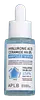
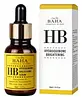
APLB Hyaluronic Acid Ceramide HA B5 Ampoule Serum Versus Cos De BAHA 2% Hydroquinone + Arbutin + Niacinamide 4% Serum
This hydrating serum is formulated around Centella Asiatica Extract and Panthenol to hydrate skin and strengthen the skin barrier.
This brightening serum is formulated around Hydroquinone and Arbutin to fade the look of dark spots and brighten dull-looking skin.

What's inside
What's inside
 Key Ingredients
Benefits
Concerns
Ingredients Side-by-side
Water
Skin ConditioningCentella Asiatica Extract 36.9%
Cleansing





Butylene Glycol
Humectant
Propanediol
Solvent
Glycerin
Humectant
Diethoxyethyl Succinate
SolventPanthenol
Skin Conditioning
Sodium Hyaluronate
Humectant
Ceramide NP
Skin Conditioning
Solanum Melongena Fruit Extract
Skin ConditioningOctyldodecanol
Emollient
Dipropylene Glycol
HumectantMelaleuca Alternifolia Leaf Extract
Perfuming
Hydrolyzed Collagen
Emollient
Beta-Glucan
Skin Conditioning
Hippophae Rhamnoides Fruit Extract
Skin Conditioning
Nelumbo Nucifera Extract
Skin ConditioningArtemisia Annua Extract
Masking
Oryza Sativa Extract
Absorbent
Saccharomyces Ferment
Skin Conditioning

Hydrogenated Lecithin
Emulsifying
Ocimum Sanctum Leaf Extract
Skin ConditioningCurcuma Longa Root Extract
Antioxidant
Corallina Officinalis Extract
Skin Conditioning

Phytosteryl/Octyldodecyl Lauroyl Glutamate
Skin ConditioningSodium Citrate
BufferingMadecassic Acid
Skin Conditioning
Asiaticoside
Antioxidant
Asiatic Acid
Skin Conditioning
Squalane
Emollient
Disodium EDTA
Glyceryl Acrylate/Acrylic Acid Copolymer
HumectantCitric Acid
Buffering

Xanthan Gum
EmulsifyingInulin
Skin Conditioning
Cellulose
Absorbent
Glucose
Humectant
Fructose
Humectant
Melia Azadirachta Leaf Extract
Skin ConditioningMelia Azadirachta Flower Extract
Skin ConditioningStyrene/Acrylates Copolymer
Coccinia Indica Fruit Extract
Skin Conditioning
Ethylhexylglycerin
Skin ConditioningHydroxyacetophenone
Antioxidant
Sodium Polyacryloyldimethyl Taurate
Emulsion StabilisingDipotassium Glycyrrhizate
Humectant
1,2-Hexanediol
Skin Conditioning
Allantoin
Skin Conditioning
Cellulose Gum
Emulsion StabilisingWater, Centella Asiatica Extract 36.9%, Butylene Glycol, Propanediol, Glycerin, Diethoxyethyl Succinate, Panthenol, Sodium Hyaluronate, Ceramide NP, Solanum Melongena Fruit Extract, Octyldodecanol, Dipropylene Glycol, Melaleuca Alternifolia Leaf Extract, Hydrolyzed Collagen, Beta-Glucan, Hippophae Rhamnoides Fruit Extract, Nelumbo Nucifera Extract, Artemisia Annua Extract, Oryza Sativa Extract, Saccharomyces Ferment, Hydrogenated Lecithin, Ocimum Sanctum Leaf Extract, Curcuma Longa Root Extract, Corallina Officinalis Extract, Phytosteryl/Octyldodecyl Lauroyl Glutamate, Sodium Citrate, Madecassic Acid, Asiaticoside, Asiatic Acid, Squalane, Disodium EDTA, Glyceryl Acrylate/Acrylic Acid Copolymer, Citric Acid, Xanthan Gum, Inulin, Cellulose, Glucose, Fructose, Melia Azadirachta Leaf Extract, Melia Azadirachta Flower Extract, Styrene/Acrylates Copolymer, Coccinia Indica Fruit Extract, Ethylhexylglycerin, Hydroxyacetophenone, Sodium Polyacryloyldimethyl Taurate, Dipotassium Glycyrrhizate, 1,2-Hexanediol, Allantoin, Cellulose Gum
Aloe Barbadensis Leaf Extract
Emollient
Propanediol
Solvent
Arbutin
Antioxidant
Niacinamide
Smoothing


1,2-Hexanediol
Skin Conditioning
Hydroquinone
Stabilising
Citric Acid
Buffering
Sodium Citrate
BufferingSodium Hyaluronate
Humectant
Salicylic Acid
Masking



Kojic Acid
Antioxidant
Lactic Acid
Buffering
Hamamelis Virginiana Leaf Extract
Skin Conditioning
Rosmarinus Officinalis Extract
AntimicrobialEucalyptus Globulus Leaf
Skin ConditioningThymus Vulgaris Extract
Perfuming
Aspalathus Linearis Extract
Skin ConditioningDisodium EDTA
Aloe Barbadensis Leaf Extract, Propanediol, Arbutin, Niacinamide, 1,2-Hexanediol, Hydroquinone, Citric Acid, Sodium Citrate, Sodium Hyaluronate, Salicylic Acid, Kojic Acid, Lactic Acid, Hamamelis Virginiana Leaf Extract, Rosmarinus Officinalis Extract, Eucalyptus Globulus Leaf, Thymus Vulgaris Extract, Aspalathus Linearis Extract, Disodium EDTA
Reviews
Ingredients Explained
These ingredients are found in both products.
Ingredients higher up in an ingredient list are typically present in a larger amount.
1,2-Hexanediol is a synthetic liquid and another multi-functional powerhouse.
It is a:
- Humectant, drawing moisture into the skin
- Emollient, helping to soften skin
- Solvent, dispersing and stabilizing formulas
- Preservative booster, enhancing the antimicrobial activity of other preservatives
Citric Acid is an alpha hydroxy acid (AHA) naturally found in citrus fruits like oranges, lemons, and limes.
Like other AHAs, citric acid can exfoliate skin by breaking down the bonds that hold dead skin cells together. This helps reveal smoother and brighter skin underneath.
However, this exfoliating effect only happens at high concentrations (20%) which can be hard to find in cosmetic products.
Due to this, citric acid is usually included in small amounts as a pH adjuster. This helps keep products slightly more acidic and compatible with skin's natural pH.
In skincare formulas, citric acid can:
While it can provide some skin benefits, research shows lactic acid and glycolic acid are generally more effective and less irritating exfoliants.
Most citric acid used in skincare today is made by fermenting sugars (usually from molasses). This synthetic version is identical to the natural citrus form but easier to stabilize and use in formulations.
Rosacea skin has a lower threshold for acids generally, with 62.5% of rosacea subjects in one study reacting to lactic acid in a sting test. This is why we mark citric acid as a potential rosacea trigger.
However, this ingredient shows up as a pH adjuster or chelator at roughly 0.1-1% in many products. These low levels are unlikely to be an issue for rosacea skin and becomes a potential trigger at exfoliating concentrations (20%). Because everybody's skin is unique, we recommend a patch test if you are unsure.
Learn more about Citric AcidDisodium EDTA is a chelating agent. It grabs onto and deactivates metal ions that sneak into your products from water, packaging, or air.
This ingredient mainly works behind the scenes and helps with:
On top of that, this ingredient can counteract the effects of hard water by binding to the minerals in it.
One thing worth knowing is that Disodium EDTA has been shown to be a mild penetration enhancer. It can help other ingredients absorb into skin more effectively which can be a double-edged sword (great for actives, but can also make the active too strong if you have sensitive skin).
Clinical patch testing showed no significant skin irritation at typical use concentrations and minimal dermal absorption.
You'll most likely see this ingredient near the end of an ingredient list. It's typically found in concentrations less than 1%.
Learn more about Disodium EDTAPropanediol is an all-star ingredient. It softens, hydrates, and smooths the skin.
It’s often used to:
Propanediol is not likely to cause sensitivity and considered safe to use. It is derived from corn or petroleum with a clear color and no scent.
Learn more about PropanediolSodium Citrate is the sodium salts of citric acid. In skincare, it is used to alter pH levels and acts as a preservative.
Its main functions are to maintain the pH of a product and neutralize metal ions.
The acidity of our skin is maintained by our glands and skin biome; normal pH level of skin is slightly acidic (~4.75-5.5).
Being slightly acidic allows our skin to create an "acid mantle". This acid mantle is a thin barrier that protects our skin from bacteria and contaminants.
Learn more about Sodium CitrateSodium Hyaluronate is the salt form of hyaluronic acid. It is a long sugar chain that is naturally found in your skin, joints, and connective tissue that maintains hydration and elasticity.
In skincare, it works as a humectant. It pulls water from the environment and deeper layers of skin and binds it to the surface.
Interestingly, the size of the molecule affects its behavior:
Some clinical evidence links low molecular weight versions to improved wrinkle depth, elasticity, anti-inflammatory effects, and barrier repair.
Many serums use a blend of both weights so you can get surface hydration plus longer-lasting and deeper effects.
You'll typically see concentrations between 0.1-2% for this ingredient.
Learn more about Sodium Hyaluronate

