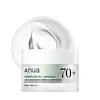
This calming moisturizer is formulated around Panthenol and Ceramide NP to calm redness and strengthen the skin barrier.
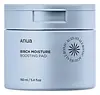
This hydrating toner pad uses a pre-saturated pad with Betula Platyphylla Japonica Juice and Allantoin to hydrate skin and calm redness.

What's inside
What's inside
 Key Ingredients
Benefits
Concerns
Ingredients Side-by-side
Houttuynia Cordata Flower/Leaf/Stem Water
Antimicrobial
Cetearyl Alcohol
Emollient






Glycerin
Humectant


1,2-Hexanediol
Skin Conditioning
Caprylic/Capric Triglyceride
Masking
Hydrogenated Poly(C6-14 Olefin)
EmollientHydrogenated Polydecene
EmollientDicaprylyl Ether
Emollient
Vinyldimethicone

Cetearyl Olivate
Vegetable Oil
Skin Conditioning
Glyceryl Stearate Se
Emulsifying
Panthenol
Skin Conditioning

Hydrogenated Lecithin
Emulsifying
Dipropylene Glycol
HumectantBehenyl Alcohol
Emollient
Sorbitan Olivate
Emulsifying
Ammonium Acryloyldimethyltaurate/Vp Copolymer
Cetearyl Glucoside
Emulsifying
Ethylhexylglycerin
Skin ConditioningCholesterol
Emollient
Xanthan Gum
EmulsifyingAdenosine
Skin Conditioning
Ceramide NP
Skin Conditioning
Tocopherol
Antioxidant


Houttuynia Cordata Flower/Leaf/Stem Water, Cetearyl Alcohol, Glycerin, 1,2-Hexanediol, Caprylic/Capric Triglyceride, Hydrogenated Poly(C6-14 Olefin), Hydrogenated Polydecene, Dicaprylyl Ether, Vinyldimethicone, Cetearyl Olivate, Vegetable Oil, Glyceryl Stearate Se, Panthenol, Hydrogenated Lecithin, Dipropylene Glycol, Behenyl Alcohol, Sorbitan Olivate, Ammonium Acryloyldimethyltaurate/Vp Copolymer, Cetearyl Glucoside, Ethylhexylglycerin, Cholesterol, Xanthan Gum, Adenosine, Ceramide NP, Tocopherol
Water
Skin ConditioningBetula Platyphylla Japonica Juice
Skin Conditioning
Butylene Glycol
Humectant
Glycerin
Humectant
Dipropylene Glycol
HumectantAllantoin
Skin Conditioning
Betaine
Humectant
Cucumis Sativus Fruit Extract
Emollient
Hyaluronic Acid
Humectant
Hydrolyzed Hyaluronic Acid
Humectant
Sodium Hyaluronate Crosspolymer
Humectant
Sodium Hyaluronate
Humectant
Camellia Sinensis Leaf Extract
Antimicrobial

Mentha Rotundifolia Leaf Extract
TonicThymus Vulgaris Flower/Leaf Extract
MaskingPropanediol
Solvent
Oenothera Biennis Flower Extract
AstringentPinus Palustris Leaf Extract
TonicPueraria Lobata Root Extract
HumectantUlmus Davidiana Root Extract
Skin Conditioning
Gluconolactone
Chelating


Chlorella Vulgaris Extract
Skin ConditioningMelia Azadirachta Branch/Leaf Extract
Skin ProtectingMelia Azadirachta Flower Extract
Skin ConditioningCoccinia Indica Fruit Extract
Skin Conditioning
Althaea Rosea Flower Extract
Skin ConditioningAloe Barbadensis Flower Extract
EmollientSolanum Melongena Fruit Extract
Skin ConditioningOcimum Sanctum Leaf Extract
Skin ConditioningCorallina Officinalis Extract
Skin Conditioning
Curcuma Longa Root Extract
Antioxidant
1,2-Hexanediol
Skin Conditioning
Hydroxyacetophenone
Antioxidant
Glucose
Humectant
Ethylhexylglycerin
Skin ConditioningCaprylyl Glycol
Emollient
Fructooligosaccharides
Humectant
Fructose
Humectant
Polyglyceryl-10 Laurate
Skin Conditioning
Glyceryl Caprylate
EmollientPentylene Glycol
Skin Conditioning
Acetyl Glucosamine
Skin Conditioning
Sodium Citrate
BufferingCyanocobalamin
Skin ConditioningTocopherol
Antioxidant
Xanthan Gum
EmulsifyingDisodium EDTA
ChelatingWater, Betula Platyphylla Japonica Juice, Butylene Glycol, Glycerin, Dipropylene Glycol, Allantoin, Betaine, Cucumis Sativus Fruit Extract, Hyaluronic Acid, Hydrolyzed Hyaluronic Acid, Sodium Hyaluronate Crosspolymer, Sodium Hyaluronate, Camellia Sinensis Leaf Extract, Mentha Rotundifolia Leaf Extract, Thymus Vulgaris Flower/Leaf Extract, Propanediol, Oenothera Biennis Flower Extract, Pinus Palustris Leaf Extract, Pueraria Lobata Root Extract, Ulmus Davidiana Root Extract, Gluconolactone, Chlorella Vulgaris Extract, Melia Azadirachta Branch/Leaf Extract, Melia Azadirachta Flower Extract, Coccinia Indica Fruit Extract, Althaea Rosea Flower Extract, Aloe Barbadensis Flower Extract, Solanum Melongena Fruit Extract, Ocimum Sanctum Leaf Extract, Corallina Officinalis Extract, Curcuma Longa Root Extract, 1,2-Hexanediol, Hydroxyacetophenone, Glucose, Ethylhexylglycerin, Caprylyl Glycol, Fructooligosaccharides, Fructose, Polyglyceryl-10 Laurate, Glyceryl Caprylate, Pentylene Glycol, Acetyl Glucosamine, Sodium Citrate, Cyanocobalamin, Tocopherol, Xanthan Gum, Disodium EDTA
Reviews
Ingredients Explained
These ingredients are found in both products.
Ingredients higher up in an ingredient list are typically present in a larger amount.
1,2-Hexanediol is a synthetic liquid and another multi-functional powerhouse.
It is a:
- Humectant, drawing moisture into the skin
- Emollient, helping to soften skin
- Solvent, dispersing and stabilizing formulas
- Preservative booster, enhancing the antimicrobial activity of other preservatives
Dipropylene Glycol is a synthetically created humectant, stabilizer, and solvent.
This ingredient helps:
Dipropylene glycol is technically an alcohol, but it belongs to the glycol family (often considered part of the ‘good’ alcohols). This means it is hydrating and gentle on skin unlike drying solvent alcohols like denatured alcohol.
As a masking agent, Dipropylene Glycol can be used to cover the smell of other ingredients. However, it does not have a scent.
Studies show Dipropylene Glycol is considered safe to use in skincare.
Learn more about Dipropylene GlycolEthylhexylglycerin is created from glycerin. It is a multitasker ingredient that:
The CIR Expert Panel found minimal skin absorption or sensitization of any kind in a safety assessment. Though this ingredient is considered well-tolerated, a small number of cases of allergic dermatitis have been published since 2002. Just be sure to patch test if you are unsure.
Industry-reported use ranges from 8% in rinse-off products and 2% in leave-on formulations.
Learn more about EthylhexylglycerinGlycerin (or glycerol) is a compound naturally found in your skin. It's a powerhouse humectant that pulls water into the stratum corneum.
Topically, glycerin does several things at once:
Your skin makes glycerin on its own (mostly from sebaceous oil breakdown) and shuttles it to your outermost layer of skin, or your epidermis, via aquaporin-3.
Aquaporin-3 is a transporter that is essential for normal skin hydration, elasticity, and repair. Interestingly, mice lacking in AQP3 have dry and less elastic skin that can be fully corrected with glycerin.
This ingredient is non-irritating, plays well with almost every ingredient, and works across all skin types. Typical use is anywhere between 3-10% but can go up to 79% in some leave-on products.
Just know very high concentrations (>40%) can feel tacky in low humidity.
Glycerin is the name for this ingredient in American English. British English uses Glycerol/Glycerine.
Learn more about GlycerinTocopherol is a fat-soluble antioxidant known as Vitamin E.
You'll find this ingredient in the vast majority of skincare (for good reason). It works to neutralize free radicals, or unstable molecules generated by UV exposure, pollution, and other environmental stressors, before they can cause oxidative damage to your skin cells.
Topically applied tocopherol has been shown to protect against UV damage by ramping up the skin's own natural defense enzymes.
It also acts as a skin conditioning agent; some studies show that regular topical use can improve the skin's water-binding capacity over 2-4 weeks.
This ingredient is especially loved for being a team player. When combined with Vitamin C, the photoprotective effect of both ingredients roughly doubles and the combo also helps reduce UV-induced DNA damage.
This ingredient has some brightening potential but it's more of a prevention ingredient than spot-fader. Cell studies show it can slow down melanin production but it's worth noting that it's not the most powerful brightener out there.
In formulations, it also serves as a stabilizer that helps protect other oxidation-prone ingredients from degrading.
Concentrations usually range from 0.1-1% in most leave-on products.
Learn more about TocopherolXanthan gum is used as a stabilizer and thickener within cosmetic products. It helps give products a sticky, thick feeling - preventing them from being too runny.
On the technical side of things, xanthan gum is a polysaccharide - a combination consisting of multiple sugar molecules bonded together.
Xanthan gum is a pretty common and great ingredient. It is a natural, non-toxic, non-irritating ingredient that is also commonly used in food products.
Learn more about Xanthan Gum

