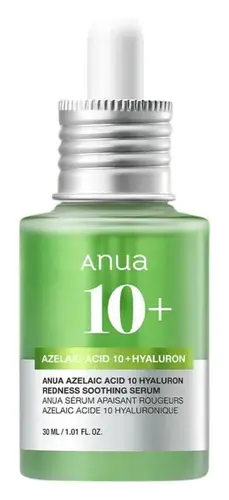
Anua Azelaic Acid 3 Cica Skin Clarifying Toner Versus Versed Weekend Glow Daily Brightening Solution
This acne toner is formulated around Azelaic Acid and Salicylic Acid to clear breakouts and calm redness.
This brightening toner is formulated around Glycolic Acid and Lactic Acid to brighten dull-looking skin and fade the look of dark spots.


What's inside
What's inside
 Key Ingredients
Benefits
Concerns
Ingredients Side-by-side
Water
Skin ConditioningAzelaic Acid
Buffering









1,2-Hexanediol
Skin Conditioning
Sodium Hydroxide
BufferingPropylene Glycol
Humectant

Salicylic Acid
Masking



Dipotassium Glycyrrhizate
Humectant
Propanediol
Solvent
PPG-13-Decyltetradeceth-24
EmulsifyingButylene Glycol
Humectant
Disodium EDTA
ChelatingMelia Azadirachta Leaf Extract
Skin ConditioningGlycerin
Humectant
Rosmarinus Officinalis Leaf Oil
Masking
Melia Azadirachta Flower Extract
Skin ConditioningCynanchum Atratum Extract
Skin ConditioningMelaleuca Alternifolia Leaf Oil
Antioxidant


Epilobium Angustifolium Flower/Leaf/Stem Extract
Skin ConditioningEthylhexylglycerin
Skin ConditioningAlthaea Rosea Flower Extract
Skin ConditioningDocosahexaenoic Acid
Skin Conditioning
Citric Acid
Buffering
Tocopherol
Antioxidant

Madecassoside
Antioxidant
Centella Asiatica Extract
Cleansing
Panthenol
Skin Conditioning
Glycine Soja Protein
EmulsifyingCentella Asiatica Leaf Extract
Skin Conditioning
Asiaticoside
Antioxidant
Allantoin
Skin Conditioning
Ectoin
Skin Conditioning
Glycyrrhizic Acid
HumectantHydroxyethylcellulose
Emulsion StabilisingSuccinic Acid
BufferingZinc PCA
Humectant
O-Cymen-5-Ol
Antimicrobial
Sodium Hyaluronate
Humectant
Glycolic Acid
Buffering
Potassium Azeloyl Diglycinate
Skin Conditioning
Coco-Caprylate/Caprate
Emollient
Sodium Hyaluronate Crosspolymer
Humectant
Centella Asiatica Root Extract
Skin Conditioning
Hydrogenated Lecithin
Emulsifying
Polyglutamic Acid
Skin Conditioning
Xylose
HumectantAsiatic Acid
Skin Conditioning
Madecassic Acid
Skin Conditioning
Totarol
Antioxidant
Squalane
Emollient
Chlorella Vulgaris Extract
Skin ConditioningCeramide NP
Skin Conditioning
Water, Azelaic Acid, 1,2-Hexanediol, Sodium Hydroxide, Propylene Glycol, Salicylic Acid, Dipotassium Glycyrrhizate, Propanediol, PPG-13-Decyltetradeceth-24, Butylene Glycol, Disodium EDTA, Melia Azadirachta Leaf Extract, Glycerin, Rosmarinus Officinalis Leaf Oil, Melia Azadirachta Flower Extract, Cynanchum Atratum Extract, Melaleuca Alternifolia Leaf Oil, Epilobium Angustifolium Flower/Leaf/Stem Extract, Ethylhexylglycerin, Althaea Rosea Flower Extract, Docosahexaenoic Acid, Citric Acid, Tocopherol, Madecassoside, Centella Asiatica Extract, Panthenol, Glycine Soja Protein, Centella Asiatica Leaf Extract, Asiaticoside, Allantoin, Ectoin, Glycyrrhizic Acid, Hydroxyethylcellulose, Succinic Acid, Zinc PCA, O-Cymen-5-Ol, Sodium Hyaluronate, Glycolic Acid, Potassium Azeloyl Diglycinate, Coco-Caprylate/Caprate, Sodium Hyaluronate Crosspolymer, Centella Asiatica Root Extract, Hydrogenated Lecithin, Polyglutamic Acid, Xylose, Asiatic Acid, Madecassic Acid, Totarol, Squalane, Chlorella Vulgaris Extract, Ceramide NP
Water
Skin ConditioningHamamelis Virginiana Water
Astringent
Glycolic Acid
Buffering
Lactic Acid
Buffering
Propanediol
Solvent
Glycerin
Humectant
Niacinamide
Smoothing
Panthenol
Skin Conditioning
Magnesium Ascorbyl Phosphate
Antioxidant
Kojic Acid
Antioxidant
Sodium Citrate
BufferingCitric Acid
Buffering
Arctostaphylos Uva-Ursi Leaf Extract
Skin Conditioning
Morus Alba Fruit Extract
Antioxidant
Camellia Sinensis Leaf Extract
Antimicrobial
Azelaic Acid
Buffering
Disodium EDTA
ChelatingPhenoxyethanol
Preservative
Ethylhexylglycerin
Skin ConditioningPotassium Sorbate
Preservative
Sodium Benzoate
Masking
Sodium Hydroxide
BufferingWater, Hamamelis Virginiana Water, Glycolic Acid, Lactic Acid, Propanediol, Glycerin, Niacinamide, Panthenol, Magnesium Ascorbyl Phosphate, Kojic Acid, Sodium Citrate, Citric Acid, Arctostaphylos Uva-Ursi Leaf Extract, Morus Alba Fruit Extract, Camellia Sinensis Leaf Extract, Azelaic Acid, Disodium EDTA, Phenoxyethanol, Ethylhexylglycerin, Potassium Sorbate, Sodium Benzoate, Sodium Hydroxide
Reviews
Ingredients Explained
These ingredients are found in both products.
Ingredients higher up in an ingredient list are typically present in a larger amount.
Azelaic acid is a multitasker ingredient that helps treat acne, pigmentation, and irritation. It is a great option for sensitive skin.
What makes it special?
OTC Azelaic acid is usually available in concentrations from 10-15% and anything over requires a prescription.
Here's what each tier does best:
Unlike other acids, azelaic acid will not make your skin more photosensitive/sun sensitive.
Though this ingredient is naturally occurring in grains like wheat, rye, and barley, it is usually synthetically created for cosmetics to ensure stability and effectiveness.
Learn more about Azelaic AcidCitric Acid is an alpha hydroxy acid (AHA) naturally found in citrus fruits like oranges, lemons, and limes.
Like other AHAs, citric acid can exfoliate skin by breaking down the bonds that hold dead skin cells together. This helps reveal smoother and brighter skin underneath.
However, this exfoliating effect only happens at high concentrations (20%) which can be hard to find in cosmetic products.
Due to this, citric acid is usually included in small amounts as a pH adjuster. This helps keep products slightly more acidic and compatible with skin's natural pH.
In skincare formulas, citric acid can:
While it can provide some skin benefits, research shows lactic acid and glycolic acid are generally more effective and less irritating exfoliants.
Most citric acid used in skincare today is made by fermenting sugars (usually from molasses). This synthetic version is identical to the natural citrus form but easier to stabilize and use in formulations.
Rosacea skin has a lower threshold for acids generally, with 62.5% of rosacea subjects in one study reacting to lactic acid in a sting test. This is why we mark citric acid as a potential rosacea trigger.
However, this ingredient shows up as a pH adjuster or chelator at roughly 0.1-1% in many products. These low levels are unlikely to be an issue for rosacea skin and becomes a potential trigger at exfoliating concentrations (20%). Because everybody's skin is unique, we recommend a patch test if you are unsure.
Learn more about Citric AcidDisodium EDTA is a chelating agent. It grabs onto and deactivates metal ions that sneak into your products from water, packaging, or air.
This ingredient mainly works behind the scenes and helps with:
On top of that, this ingredient can counteract the effects of hard water by binding to the minerals in it.
One thing worth knowing is that Disodium EDTA has been shown to be a mild penetration enhancer. It can help other ingredients absorb into skin more effectively which can be a double-edged sword (great for actives, but can also make the active too strong if you have sensitive skin).
Clinical patch testing showed no significant skin irritation at typical use concentrations and minimal dermal absorption.
You'll most likely see this ingredient near the end of an ingredient list. It's typically found in concentrations less than 1%.
Learn more about Disodium EDTAEthylhexylglycerin is created from glycerin. It is a multitasker ingredient that:
The CIR Expert Panel found minimal skin absorption or sensitization of any kind in a safety assessment. Though this ingredient is considered well-tolerated, a small number of cases of allergic dermatitis have been published since 2002. Just be sure to patch test if you are unsure.
Industry-reported use ranges from 8% in rinse-off products and 2% in leave-on formulations.
Learn more about EthylhexylglycerinGlycerin (or glycerol) is a compound naturally found in your skin. It's a powerhouse humectant that pulls water into the stratum corneum.
Topically, glycerin does several things at once:
Your skin makes glycerin on its own (mostly from sebaceous oil breakdown) and shuttles it to your outermost layer of skin, or your epidermis, via aquaporin-3.
Aquaporin-3 is a transporter that is essential for normal skin hydration, elasticity, and repair. Interestingly, mice lacking in AQP3 have dry and less elastic skin that can be fully corrected with glycerin.
This ingredient is non-irritating, plays well with almost every ingredient, and works across all skin types. Typical use is anywhere between 3-10% but can go up to 79% in some leave-on products.
Just know very high concentrations (>40%) can feel tacky in low humidity.
Glycerin is the name for this ingredient in American English. British English uses Glycerol/Glycerine.
Learn more about GlycerinGlycolic Acid is arguably the most famous alpha hydroxy acid (AHA) with tons of research backing its benefits.
It is found naturally in sugar cane but the form used in skincare is usually synthetic for purity and stability.
Glycolic acid removes the top layer of dead skin cells to allow newer and fresher ones to emerge.
AHAs work by breaking down the structural “glue” that holds old skin cells in place. When that buildup is gone, your skin can renew itself more efficiently.
Research also shows glycolic acid stimulates collagen production, helping to firm and thicken the skin over time. This is one of its biggest advantages over other AHAs.
Overall, glycolic acid helps with:
Fun fact: Glycolic acid boosts skin hydration by helping it produce molecules that increase hyaluronic acid naturally.
To work best, glycolic acid products should have a pH between 3-4 (that’s where exfoliation is most effective but still gentle on skin).
The pH and concentration of a product are key to its effectiveness:
It is normal to feel a slight stinging sensation when using glycolic acid. This usually fades as your skin adjusts.
Because glycolic acid has the smallest molecular size in the AHA family, it can penetrate deeper, which enhances its effectiveness but also makes it more likely to irritate sensitive skin.
If your skin is very sensitive or prone to rosacea, glycolic acid may be too strong; in that case, try milder options like lactic acid or a PHA instead.
Recent studies suggest glycolic acid might even help protect against UV damage. But don’t skip sunscreen! Freshly exfoliated skin is more sensitive to the sun.
Glycolic acid is a skincare superstar. It smooths, brightens, hydrates, and firms the skin. Unless you’re highly sensitive, it’s well worth adding to your routine.
Read more about some other popular AHA's here:
Learn more about Glycolic AcidPanthenol is a common ingredient that helps hydrate and soothe the skin. It is found naturally in our skin and hair.
There are two forms of panthenol: D and L.
D-panthenol is also known as dexpanthenol. Most cosmetics use dexpanthenol or a mixture of D and L-panthenol.
Panthenol is famous due to its ability to go deeper into the skin's layers. Using this ingredient has numerous pros (and no cons):
Like hyaluronic acid, panthenol is a humectant. Humectants are able to bind and hold large amounts of water to keep skin hydrated.
This ingredient works well for wound healing. It works by increasing tissue in the wound and helps close open wounds.
Once oxidized, panthenol converts to pantothenic acid. Panthothenic acid is found in all living cells.
This ingredient is also referred to as pro-vitamin B5.
Learn more about PanthenolPropanediol is an all-star ingredient. It softens, hydrates, and smooths the skin.
It’s often used to:
Propanediol is not likely to cause sensitivity and considered safe to use. It is derived from corn or petroleum with a clear color and no scent.
Learn more about PropanediolSodium Hydroxide is also known as lye or caustic soda. It is used to adjust the pH of products; many ingredients require a specific pH to be effective.
In small amounts, sodium hydroxide is considered safe to use. However, large amounts may cause chemical burns due to its high alkaline.
Your skin has a natural pH and acid mantle. This acid mantle helps prevent harmful bacteria from breaking through. The acid mantle also helps keep your skin hydrated.
"Alkaline" refers to a high pH level. A low pH level would be considered acidic.
Learn more about Sodium HydroxideWater. It's the most common cosmetic ingredient of all. You'll usually see it at the top of ingredient lists, meaning that it makes up the largest part of the product.
So why is it so popular? Water most often acts as a solvent - this means that it helps dissolve other ingredients into the formulation.
You'll also recognize water as that liquid we all need to stay alive. If you see this, drink a glass of water. Remember to stay hydrated!
Learn more about Water