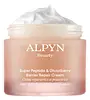
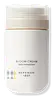
alpyn beauty Super Peptide & Ghostberry Moisturizer Versus Beekman 1802 Bloom Cream Daily Moisturizer
This anti-aging moisturizer is formulated around Acetyl Hexapeptide-8 and Ceramide NP to soften the look of wrinkles and strengthen the skin barrier.
This barrier-repair moisturizer is formulated around Bifida Ferment Lysate to strengthen the skin barrier and hydrate skin.

What's inside
What's inside
 Key Ingredients
Benefits
Concerns
Ingredients Side-by-side
Water
Skin ConditioningGlycerin
Humectant


Caprylic/Capric/Myristic/Stearic Triglyceride
EmollientCaprylic/Capric Triglyceride
Masking
Squalane
Emollient
Candelilla/Jojoba/Rice Bran Polyglyceryl-3 Esters
Emulsifying

Coconut Alkanes
Emollient

C12-16 Alcohols
EmollientPropanediol
Solvent
Polyhydroxystearic Acid
Emulsifying
Behenyl Alcohol
Emollient
Glyceryl Stearate
Emollient
Cetearyl Alcohol
Emollient
Symphoricarpos Albus Fruit Extract
EmollientAcetyl Hexapeptide-8
Humectant
Acetyl Octapeptide-3
Humectant
Ceramide NP
Skin Conditioning


Ceramide EOP
Skin Conditioning
Ceramide Ns
Skin Conditioning
Ceramide As
Skin Conditioning
Ceramide AP
Skin Conditioning
Glyceryl Citrate/Lactate/Linoleate/Oleate
Emulsifying
1,2-Hexanediol
Skin Conditioning
Cetearyl Olivate
Hydrogenated Lecithin
Emulsifying
Nephelium Lappaceum Peel Extract
Skin ConditioningPalmitic Acid
Emollient
Sodium Stearoyl Lactylate
EmulsifyingSorbitan Olivate
Emulsifying
Caprylhydroxamic Acid
ChelatingCoco-Caprylate/Caprate
Emollient
Xanthan Gum
EmulsifyingSimmondsia Chinensis Seed Oil
Emollient
Tasmannia Lanceolata Fruit/Leaf Extract
Antioxidant
Bisabolol
Antioxidant
Sodium Hyaluronate
Humectant
Hydrolyzed Sodium Hyaluronate
Skin Conditioning
Tripeptide-29
Skin Conditioning
Hydrolyzed Pea Protein
Emollient2,3-Butanediol
HumectantLeuconostoc/Radish Root Ferment Filtrate
Antimicrobial
Hydrolyzed Rice Protein
Skin ConditioningCholesterol
Emollient
Sodium Benzoate
Masking
Water, Glycerin, Caprylic/Capric/Myristic/Stearic Triglyceride, Caprylic/Capric Triglyceride, Squalane, Candelilla/Jojoba/Rice Bran Polyglyceryl-3 Esters, Coconut Alkanes, C12-16 Alcohols, Propanediol, Polyhydroxystearic Acid, Behenyl Alcohol, Glyceryl Stearate, Cetearyl Alcohol, Symphoricarpos Albus Fruit Extract, Acetyl Hexapeptide-8, Acetyl Octapeptide-3, Ceramide NP, Ceramide EOP, Ceramide Ns, Ceramide As, Ceramide AP, Glyceryl Citrate/Lactate/Linoleate/Oleate, 1,2-Hexanediol, Cetearyl Olivate, Hydrogenated Lecithin, Nephelium Lappaceum Peel Extract, Palmitic Acid, Sodium Stearoyl Lactylate, Sorbitan Olivate, Caprylhydroxamic Acid, Coco-Caprylate/Caprate, Xanthan Gum, Simmondsia Chinensis Seed Oil, Tasmannia Lanceolata Fruit/Leaf Extract, Bisabolol, Sodium Hyaluronate, Hydrolyzed Sodium Hyaluronate, Tripeptide-29, Hydrolyzed Pea Protein, 2,3-Butanediol, Leuconostoc/Radish Root Ferment Filtrate, Hydrolyzed Rice Protein, Cholesterol, Sodium Benzoate
Water
Skin ConditioningCoconut Alkanes
Emollient
Coco-Caprylate
Emollient
Propanediol
Solvent
Magnesium Sulfate
Polyglyceryl-4 Diisostearate/Polyhydroxystearate/Sebacate
Emulsifying
Caprae Lac
Skin ConditioningColostrum
Skin Conditioning
Bifida Ferment Lysate
Skin Conditioning
Lactose
HumectantMilk Protein
Skin ConditioningAloe Barbadensis Leaf Extract
Emollient
Honey
Humectant
Eryngium Alpinum Flower Extract
Skin ConditioningCucumis Sativus Fruit Extract
Emollient
Chamomilla Recutita Flower Extract
Masking
Symphytum Officinale Leaf Extract
Skin ConditioningHelianthus Annuus Seed Oil
Emollient
Niacinamide
Smoothing






Whey Protein
Skin ConditioningGluconolactone
Chelating
Caprylic/Capric Triglyceride
Masking
Coco-Caprylate/Caprate
Emollient
Polyglyceryl-3 Oleate
Emulsifying
Diisostearoyl Polyglyceryl-3 Dimer Dilinoleate
Emollient
Zinc Stearate
Cosmetic ColorantGlycerin
Humectant
Sodium Benzoate
Masking
Calcium Gluconate
HumectantTocopherol
Antioxidant
C10-18 Triglycerides
Emollient
Lecithin
Emollient
Water, Coconut Alkanes, Coco-Caprylate, Propanediol, Magnesium Sulfate, Polyglyceryl-4 Diisostearate/Polyhydroxystearate/Sebacate, Caprae Lac, Colostrum, Bifida Ferment Lysate, Lactose, Milk Protein, Aloe Barbadensis Leaf Extract, Honey, Eryngium Alpinum Flower Extract, Cucumis Sativus Fruit Extract, Chamomilla Recutita Flower Extract, Symphytum Officinale Leaf Extract, Helianthus Annuus Seed Oil, Niacinamide, Whey Protein, Gluconolactone, Caprylic/Capric Triglyceride, Coco-Caprylate/Caprate, Polyglyceryl-3 Oleate, Diisostearoyl Polyglyceryl-3 Dimer Dilinoleate, Zinc Stearate, Glycerin, Sodium Benzoate, Calcium Gluconate, Tocopherol, C10-18 Triglycerides, Lecithin
Reviews
Alternatives
Ingredients Explained
These ingredients are found in both products.
Ingredients higher up in an ingredient list are typically present in a larger amount.
Caprylic/Capric Triglyceride (aka MCT Oil) is a lightweight emollient, solvent, and texture enhancer. It is considered a skin-softener by helping to prevent moisture loss.
Though it behaves like an oil, it is not technically one due to its chemical composition. One perk of this ingredient is that it is very stable, resistant to oxidation, and unlikely to go rancid.
In practice, that translates to a long shelf life and a consistently elegant skin feel.
While there is an assumption Caprylic Triglyceride can clog pores due to it being derived from coconut oil, there is no research supporting this. Just patch test if you have concerns.
Fractionated coconut oil and MCT Oil are both listed as Caprylic/Capric Triglyceride according to INCI. This is because INCI names are based on the ingredient’s final chemical composition and not its marketing name or source.
This ingredient is treated as the gold standard fungal acne safe oil. Even though it is coconut derived, the problematic lauric acid is stripped out.
This leaves just caprylic (C8) and capric (C10) acid. These chain lengths actually trend antifungal; a 2020 study found caprylic acid was enough to disrupt Malassezia furfur cell membrane, with a caprylic acid derivative damaging membrane structures at concentrations as low as 0.2%.
Learn more about Caprylic/Capric TriglycerideCoco-Caprylate/Caprate is a lightweight ester created from coconut oil fatty acids, caprylic acid, and capric acid.
It is an emollient that helps soften skin and reduce transepidermal water loss (TEWL). What sets it apart from heavier emollients is its ultralight, non-greasy feel.
Once applied, this ingredient dries down quickly and leaves a dry, silky finish behind. This also helps improve spreadability and texture.
This ingredient has an excellent safety-record and is non-irritating.
Typical concentrations for cosmetics range from 0.5-62%.
Research on Malassezia growth found no growth on fatty acid esters with chain lengths shorter than 12 carbons (it prefers C11-24).
Since Coco-Caprylate/Caprate is built on C8 and C10 fatty acids, it is out of the range that Malassezia metabolizes, and therefore safe for fungal acne.
Learn more about Coco-Caprylate/CaprateCoconut Alkanes is a lightweight, plant-derived emollient and solvent made from the fatty acids of coconut oil.
It spreads easily and adds a soft, silky, non-greasy slip, then evaporates rather than sinking into skin. Due to this behavior, it's prized as a natural and renewable replacement for silicones.
Typical use concentrations can go anywhere up to 20%.
The CIR Expert Panel has reviewed coconut oil and its hydrogenated derivatives and found them to be safe as used in cosmetics. It's a low-irritating and well-tolerated ingredient with no notable sensitization concerns.
Because it's a pure saturated hydrocarbon and not a free fatty acid or ester in the C11-24 range that Malassezia can feed on, it doesn't provide the lipids for Malassezia to feed on. This ingredient is generally regarded as safe for fungal acne.
Learn more about Coconut AlkanesGlycerin (or glycerol) is a compound naturally found in your skin. It's a powerhouse humectant that pulls water into the stratum corneum.
Topically, glycerin does several things at once:
Your skin makes glycerin on its own (mostly from sebaceous oil breakdown) and shuttles it to your outermost layer of skin, or your epidermis, via aquaporin-3.
Aquaporin-3 is a transporter that is essential for normal skin hydration, elasticity, and repair. Interestingly, mice lacking in AQP3 have dry and less elastic skin that can be fully corrected with glycerin.
This ingredient is non-irritating, plays well with almost every ingredient, and works across all skin types. Typical use is anywhere between 3-10% but can go up to 79% in some leave-on products.
Just know very high concentrations (>40%) can feel tacky in low humidity.
Glycerin is the name for this ingredient in American English. British English uses Glycerol/Glycerine.
Learn more about GlycerinPropanediol is an all-star ingredient. It softens, hydrates, and smooths the skin.
It’s often used to:
Propanediol is not likely to cause sensitivity and considered safe to use. It is derived from corn or petroleum with a clear color and no scent.
Learn more about PropanediolSodium Benzoate is a preservative. It's used in both cosmetic and food products to inhibit the growth of mold and bacteria. It is typically produced synthetically.
Both the US FDA and EU Health Committee have approved the use of sodium benzoate. In the US, levels of 0.1% (of the total product) are allowed.
Sodium benzoate works as a preservative by inhibiting the growth of bacteria inside of cells. It prevents the cell from fermenting a type of sugar using an enzyme called phosphofructokinase.
It is the salt of benzoic acid. Foods containing sodium benzoate include soda, salad dressings, condiments, fruit juices, wines, and snack foods.
Studies for using ascorbic acid and sodium benzoate in cosmetics are lacking, especially in skincare routines with multiple steps.
We always recommend speaking with a professional, such as a dermatologist, if you have any concerns.
Learn more about Sodium BenzoateWater. It's the most common cosmetic ingredient of all. You'll usually see it at the top of ingredient lists, meaning that it makes up the largest part of the product.
So why is it so popular? Water most often acts as a solvent - this means that it helps dissolve other ingredients into the formulation.
You'll also recognize water as that liquid we all need to stay alive. If you see this, drink a glass of water. Remember to stay hydrated!
Learn more about Water

