Aiken Prebiotic Hydra Plus Pudding Glow Moisturiser Versus ELFORMULA Intensive CeraHydro Moisturizer Barrier
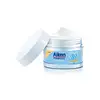
This barrier-repair moisturizer is formulated around Panthenol and Niacinamide to strengthen the skin barrier and hydrate skin.
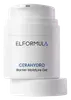
This barrier-repair moisturizer is formulated around Ectoin and Centella Asiatica Extract to strengthen the skin barrier and hydrate skin.


What's inside
What's inside
 Key Ingredients
Benefits
Concerns
Ingredients Side-by-side
Water
Skin ConditioningPanthenol
Skin Conditioning




Niacinamide
Smoothing







Butylene Glycol
Humectant
Dipropylene Glycol
HumectantGlycerin
Humectant
Alpha-Glucan Oligosaccharide
Cleansing
Polymnia Sonchifolia Root Juice
Skin ConditioningLactobacillus
Skin ConditioningAspergillus Ferment
Skin ConditioningGalactomyces Ferment Filtrate
Humectant

Saccharomyces/Xylinum/Black Tea Ferment
Skin Conditioning
Pseudoalteromonas Ferment Extract
Humectant
Aphanothece Sacrum Exopolysaccharides
AbsorbentSodium Hyaluronate
Humectant
Hyaluronic Acid
Humectant
Hydrolyzed Hyaluronic Acid
Humectant
Hydrolyzed Sodium Hyaluronate
Skin Conditioning
Hydroxypropyltrimonium Hyaluronate
Potassium Hyaluronate
Skin ConditioningSodium Acetylated Hyaluronate
Humectant
Sodium Hyaluronate Crosspolymer
Humectant
Carbomer
Emulsion StabilisingPolysorbate 20
Emulsifying
Aminomethyl Propanol
BufferingHydroxyacetophenone
Antioxidant
Maltodextrin
Absorbent
1,2-Hexanediol
Skin Conditioning
Xanthan Gum
EmulsifyingCaprylyl Glycol
Emollient
Hydroxyethylcellulose
Emulsion StabilisingGlucose
Humectant
Citric Acid
Buffering
Chondrus Crispus Extract
Skin Conditioning
Phenoxyethanol
Preservative
Chlorphenesin
Antimicrobial
Sodium Metabisulfite
Antioxidant
Sodium Salicylate
Preservative
Water, Panthenol, Niacinamide, Butylene Glycol, Dipropylene Glycol, Glycerin, Alpha-Glucan Oligosaccharide, Polymnia Sonchifolia Root Juice, Lactobacillus, Aspergillus Ferment, Galactomyces Ferment Filtrate, Saccharomyces/Xylinum/Black Tea Ferment, Pseudoalteromonas Ferment Extract, Aphanothece Sacrum Exopolysaccharides, Sodium Hyaluronate, Hyaluronic Acid, Hydrolyzed Hyaluronic Acid, Hydrolyzed Sodium Hyaluronate, Hydroxypropyltrimonium Hyaluronate, Potassium Hyaluronate, Sodium Acetylated Hyaluronate, Sodium Hyaluronate Crosspolymer, Carbomer, Polysorbate 20, Aminomethyl Propanol, Hydroxyacetophenone, Maltodextrin, 1,2-Hexanediol, Xanthan Gum, Caprylyl Glycol, Hydroxyethylcellulose, Glucose, Citric Acid, Chondrus Crispus Extract, Phenoxyethanol, Chlorphenesin, Sodium Metabisulfite, Sodium Salicylate
Water
Skin ConditioningButylene Glycol
Humectant
Glycerin
Humectant
Isononyl Isononanoate
EmollientCaprylic/Capric Triglyceride
Masking
Isododecane
EmollientCyclopentasiloxane
Emollient
1,2-Hexanediol
Skin Conditioning
Hydroxyacetophenone
Antioxidant
Cetearyl Alcohol
Emollient


Diglycerin
Humectant
Carbomer
Emulsion StabilisingPolysorbate 80
Emulsifying
Triethanolamine
BufferingEctoin
Skin Conditioning
Propylene Glycol
Humectant
Sodium Polyglutamate
HumectantSorbitan Oleate
Emulsifying
Bisabolol
Antioxidant
Sodium Hyaluronate
Humectant
Centella Asiatica Extract
Cleansing
Propanediol
Solvent
Glucose
Humectant
Hydrogenated Lecithin
Emulsifying
Polygonum Cuspidatum Root Extract
Antioxidant
Scutellaria Baicalensis Root Extract
Astringent
Hexylene Glycol
EmulsifyingStearic Acid
Cleansing
Cholesterol
Emollient
Ceramide NP
Skin Conditioning
Camellia Sinensis Leaf Extract
Antimicrobial
Glycyrrhiza Glabra Root Extract
Bleaching
Beta-Glucan
Skin Conditioning
Chamomilla Recutita Flower Extract
Masking
Rosmarinus Officinalis Leaf Extract
AntimicrobialLespedeza Capitata Leaf/Stem Extract
Skin ConditioningAvena Sativa Kernel Extract
Abrasive
Zingiber Officinale Root Extract
Masking
Water, Butylene Glycol, Glycerin, Isononyl Isononanoate, Caprylic/Capric Triglyceride, Isododecane, Cyclopentasiloxane, 1,2-Hexanediol, Hydroxyacetophenone, Cetearyl Alcohol, Diglycerin, Carbomer, Polysorbate 80, Triethanolamine, Ectoin, Propylene Glycol, Sodium Polyglutamate, Sorbitan Oleate, Bisabolol, Sodium Hyaluronate, Centella Asiatica Extract, Propanediol, Glucose, Hydrogenated Lecithin, Polygonum Cuspidatum Root Extract, Scutellaria Baicalensis Root Extract, Hexylene Glycol, Stearic Acid, Cholesterol, Ceramide NP, Camellia Sinensis Leaf Extract, Glycyrrhiza Glabra Root Extract, Beta-Glucan, Chamomilla Recutita Flower Extract, Rosmarinus Officinalis Leaf Extract, Lespedeza Capitata Leaf/Stem Extract, Avena Sativa Kernel Extract, Zingiber Officinale Root Extract
Reviews
Ingredients Explained
These ingredients are found in both products.
Ingredients higher up in an ingredient list are typically present in a larger amount.
1,2-Hexanediol is a synthetic liquid and another multi-functional powerhouse.
It is a:
- Humectant, drawing moisture into the skin
- Emollient, helping to soften skin
- Solvent, dispersing and stabilizing formulas
- Preservative booster, enhancing the antimicrobial activity of other preservatives
Butylene Glycol (or BG) is used within cosmetic products for a few different reasons:
Overall, Butylene Glycol is a safe and well-rounded ingredient that works well with other ingredients.
Though this ingredient works well with most skin types, some people with sensitive skin may experience a reaction such as allergic rashes, closed comedones, or itchiness.
Learn more about Butylene GlycolCarbomer is a synthetic thickening and gelling agent. It's basically the ingredient that gives a lot of serums, gels, creams, and sunscreens their smooth, non-sticky texture.
Although legally permitted at very high levels, carbomers are normally used at concentrations below 1%.
It also needs to be neutralized to actually thicken, and because it is a large molecule, it doesn't really penetrate the skin barrier.
Allergy-wise, the risk is very low. Clinical studies show carbomers have low potential for skin irritation/sensitization even at concentrations up to 100%.
A 2024 UK study patch-tested 1,302 patients and found true allergy to the parent group of carbomer to be rare with no confirmed relevant reactions.
Learn more about CarbomerGlucose is a simple sugar (a monosaccharide). In skincare, it is mostly a humectant and skin conditioning agent.
Mechanistically, it has multiple hydroxyl groups that hydrogen-bond to water. This pulls moisture into the upper layers of skin to keep the surface soft and hydrated.
It's worth knowing sugars are already a natural component of the skin's NMF (natural moisturizing factor) so it's a molecule that your stratum corneum is well-acquainted with.
Just so you know, glucose is hydrophilic (water-loving) and the stratum corneum is a strong barrier to hydrophilic compounds. This just means penetration is slow and most of the action is happening on the surface.
Gram-to-gram, glucose is not as efficient as a humectant as glycerin. This is why you'll likely see glycose paired with stronger humectants for a bigger hydration payoff.
In skincare, glucose is typically derived from corn or other starch sources.
Learn more about GlucoseGlycerin (or glycerol) is a compound naturally found in your skin. It's a powerhouse humectant that pulls water into the stratum corneum.
Topically, glycerin does several things at once:
Your skin makes glycerin on its own (mostly from sebaceous oil breakdown) and shuttles it to your outermost layer of skin, or your epidermis, via aquaporin-3.
Aquaporin-3 is a transporter that is essential for normal skin hydration, elasticity, and repair. Interestingly, mice lacking in AQP3 have dry and less elastic skin that can be fully corrected with glycerin.
This ingredient is non-irritating, plays well with almost every ingredient, and works across all skin types. Typical use is anywhere between 3-10% but can go up to 79% in some leave-on products.
Just know very high concentrations (>40%) can feel tacky in low humidity.
Glycerin is the name for this ingredient in American English. British English uses Glycerol/Glycerine.
Learn more about GlycerinHydroxyacetophenone is a small phenolic molecule that earns its place in a formulas as an antioxidant and preservative booster.
As a phenol, it is able to neutralize free radicals to protect both the product and the skin from oxidative stress.
Though it can't kill microbes on its own, it works as a good supporting agent when combined with other preservatives like Phenoxyethanol or 1,2-Hexanediol.
This ingredient naturally occurs as piceol in Norwegian spruce needles (~0.4-1.1% dry weight and in cloudberries). Though the cosmetic-grade material is synthesized for purity and consistency.
You'll usually see it used at low levels and suppliers recommend up to 1% added to a water phase.
Safety testing was done at concentrations like 0.05% in SPF products and 0.5% in a Human Repeated Insult Patch Test. The safety evidence is assuring; this ingredient is safe for cosmetics in current use and also holds safety status as a food flavoring as well.
An honest caveat: the "soothing" and "anti-inflammatory" claims come mostly from supplier marketing rather than published clinical trials. The Cosmetic Ingredient Review's own literature search found no useful efficacy studies on this ingredient.
So the antioxidant and preservative-boosting roles are the well supported ones while the calming benefit is plausible but thinly evidenced.
Overall, this is a well-tolerated, low-irritation multitasker that quietly helps a formula stay fresh and stable.
Learn more about HydroxyacetophenoneSodium Hyaluronate is the salt form of hyaluronic acid. It is a long sugar chain that is naturally found in your skin, joints, and connective tissue that maintains hydration and elasticity.
In skincare, it works as a humectant. It pulls water from the environment and deeper layers of skin and binds it to the surface.
Interestingly, the size of the molecule affects its behavior:
Some clinical evidence links low molecular weight versions to improved wrinkle depth, elasticity, anti-inflammatory effects, and barrier repair.
Many serums use a blend of both weights so you can get surface hydration plus longer-lasting and deeper effects.
You'll typically see concentrations between 0.1-2% for this ingredient.
Learn more about Sodium HyaluronateWater. It's the most common cosmetic ingredient of all. You'll usually see it at the top of ingredient lists, meaning that it makes up the largest part of the product.
So why is it so popular? Water most often acts as a solvent - this means that it helps dissolve other ingredients into the formulation.
You'll also recognize water as that liquid we all need to stay alive. If you see this, drink a glass of water. Remember to stay hydrated!
Learn more about Water

