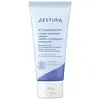
This barrier-repair moisturizer is formulated around Squalane and Ceramide NP to strengthen the skin barrier and hydrate skin.
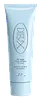
This barrier-repair moisturizer is formulated around Palmitoyl Hexapeptide-12 and Squalane to strengthen the skin barrier and hydrate skin.


What's inside
What's inside
 Key Ingredients
Benefits
Concerns
Ingredients Side-by-side
Water
Skin ConditioningGlycerin
Humectant


Butylene Glycol
Humectant
Dimethicone
Emollient
Squalane
Emollient
1,2-Hexanediol
Skin Conditioning
Betaine
Humectant
Cetearyl Alcohol
Emollient






Ammonium Acryloyldimethyltaurate/Vp Copolymer
Hydrogenated Rice Bran Oil
Skin Conditioning
Hydrogenated Lecithin
Emulsifying
Polyglyceryl-3 Methylglucose Distearate
Emulsifying
Polyacrylate Crosspolymer-6
Emulsion StabilisingMannitol
Humectant
Cetyl-Pg Hydroxyethyl Palmitamide
Skin ConditioningStearic Acid
Cleansing
Ethylhexylglycerin
Skin ConditioningGlyceryl Caprylate
EmollientPropanediol
Solvent
Glyceryl Stearate
Emollient
Sodium Metaphosphate
BufferingCeramide NP
Skin Conditioning

Carbomer
Emulsion StabilisingPalmitic Acid
Emollient
Silica
Abrasive


Zinc Chloride
AntimicrobialCholesterol
Emollient
Beta-Glucan
Skin Conditioning
Sphingolipids
Emollient
Sodium Hyaluronate
Humectant
Hydroxypropyl Methylcellulose
Emulsion StabilisingMyristic Acid
Cleansing
Propylene Glycol
Humectant
Lauric Acid
Cleansing
Tocopherol
Antioxidant



Water, Glycerin, Butylene Glycol, Dimethicone, Squalane, 1,2-Hexanediol, Betaine, Cetearyl Alcohol, Ammonium Acryloyldimethyltaurate/Vp Copolymer, Hydrogenated Rice Bran Oil, Hydrogenated Lecithin, Polyglyceryl-3 Methylglucose Distearate, Polyacrylate Crosspolymer-6, Mannitol, Cetyl-Pg Hydroxyethyl Palmitamide, Stearic Acid, Ethylhexylglycerin, Glyceryl Caprylate, Propanediol, Glyceryl Stearate, Sodium Metaphosphate, Ceramide NP, Carbomer, Palmitic Acid, Silica, Zinc Chloride, Cholesterol, Beta-Glucan, Sphingolipids, Sodium Hyaluronate, Hydroxypropyl Methylcellulose, Myristic Acid, Propylene Glycol, Lauric Acid, Tocopherol
Water
Skin ConditioningGlycerin
Humectant
Dimethicone
Emollient
Dimethicone Crosspolymer
Emulsion Stabilising
C12-15 Alkyl Benzoate
AntimicrobialHydroxyethyl Acrylate/Sodium Acryloyldimethyl Taurate Copolymer
Emulsion StabilisingImperata Cylindrica Root Extract
Skin ConditioningCaprylic/Capric Triglyceride
Masking
Methylpropanediol
SolventSqualane
Emollient
Cetyl Alcohol
Emollient
Meadowfoam Estolide
Skin ConditioningDipalmitoyl Hydroxyproline
Skin Conditioning
Tribehenin
Emollient
Sodium PCA
Humectant
Urea
Buffering

Carbomer
Emulsion StabilisingPhenoxyethanol
Preservative
Caprylyl Glycol
Emollient
Collagen Amino Acids
Moisturising
Propanediol
Solvent
Haematococcus Pluvialis Extract
Antioxidant
Trehalose
Humectant
Linoleic Acid
Cleansing
Phytosterols
Skin Conditioning
Phospholipids
Skin Conditioning
Palmitic Acid
Emollient
Polysorbate 60
Emulsifying
Sorbitan Isostearate
Emulsifying
Ceramide Ng
Skin Conditioning
Hexylene Glycol
EmulsifyingPEG-10 Phytosterol
EmulsifyingPolyquaternium-51
Skin Conditioning
Triacetin
AntimicrobialSodium Hyaluronate
Humectant
Acrylates/C10-30 Alkyl Acrylate Crosspolymer
Emulsion StabilisingPalmitoyl Hexapeptide-12
Skin Conditioning
Sodium Hydroxide
BufferingLactic Acid
Buffering

Water, Glycerin, Dimethicone, Dimethicone Crosspolymer, C12-15 Alkyl Benzoate, Hydroxyethyl Acrylate/Sodium Acryloyldimethyl Taurate Copolymer, Imperata Cylindrica Root Extract, Caprylic/Capric Triglyceride, Methylpropanediol, Squalane, Cetyl Alcohol, Meadowfoam Estolide, Dipalmitoyl Hydroxyproline, Tribehenin, Sodium PCA, Urea, Carbomer, Phenoxyethanol, Caprylyl Glycol, Collagen Amino Acids, Propanediol, Haematococcus Pluvialis Extract, Trehalose, Linoleic Acid, Phytosterols, Phospholipids, Palmitic Acid, Polysorbate 60, Sorbitan Isostearate, Ceramide Ng, Hexylene Glycol, PEG-10 Phytosterol, Polyquaternium-51, Triacetin, Sodium Hyaluronate, Acrylates/C10-30 Alkyl Acrylate Crosspolymer, Palmitoyl Hexapeptide-12, Sodium Hydroxide, Lactic Acid
Reviews
Ingredients Explained
These ingredients are found in both products.
Ingredients higher up in an ingredient list are typically present in a larger amount.
Carbomer is a synthetic thickening and gelling agent. It's basically the ingredient that gives a lot of serums, gels, creams, and sunscreens their smooth, non-sticky texture.
Although legally permitted at very high levels, carbomers are normally used at concentrations below 1%.
It also needs to be neutralized to actually thicken, and because it is a large molecule, it doesn't really penetrate the skin barrier.
Allergy-wise, the risk is very low. Clinical studies show carbomers have low potential for skin irritation/sensitization even at concentrations up to 100%.
A 2024 UK study patch-tested 1,302 patients and found true allergy to the parent group of carbomer to be rare with no confirmed relevant reactions.
Learn more about CarbomerDimethicone is a type of synthetic silicone created from natural materials such as quartz. It is also known as polydimethylsiloxane.
What it does:
Dimethicone comes in different viscosities:
Depending on the viscosity, dimethicone has different properties.
Ingredients lists don't always show which type is used, so we recommend reaching out to the brand if you have questions about the viscosity.
This ingredient is unlikely to cause irritation because it does not get absorbed into skin. However, people with silicone allergies should be careful about using this ingredient.
Note: Dimethicone may contribute to pilling. This is because it is not oil or water soluble, so pilling may occur when layered with products. When mixed with heavy oils in a formula, the outcome is also quite greasy.
Learn more about DimethiconeGlycerin (or glycerol) is a compound naturally found in your skin. It's a powerhouse humectant that pulls water into the stratum corneum.
Topically, glycerin does several things at once:
Your skin makes glycerin on its own (mostly from sebaceous oil breakdown) and shuttles it to your outermost layer of skin, or your epidermis, via aquaporin-3.
Aquaporin-3 is a transporter that is essential for normal skin hydration, elasticity, and repair. Interestingly, mice lacking in AQP3 have dry and less elastic skin that can be fully corrected with glycerin.
This ingredient is non-irritating, plays well with almost every ingredient, and works across all skin types. Typical use is anywhere between 3-10% but can go up to 79% in some leave-on products.
Just know very high concentrations (>40%) can feel tacky in low humidity.
Glycerin is the name for this ingredient in American English. British English uses Glycerol/Glycerine.
Learn more about GlycerinPalmitic Acid is a fatty acid naturally found in our skin and in many plant and animal sources.
In cosmetics, it is usually derived from palm oil. It serves many purposes in skincare, acting as a cleanser, emollient, and emulsifier.
Interestingly, topically applied Palmitic Acid can be elongated into longer chain fatty acids and ceramides. A 2019 study found low levels of Palmitic Acid lead to slower development of cells, suggesting it plays a role in keeping your skin's renewal process on track.
The CIR (Cosmetic Ingredient Review) panel determined it safe as used in cosmetics at concentrations up to 13%. It is non-irritating and non-sensitizing in clinical studies.
The culprit behind fungal acne, the Malassezia yeast, feeds on fatty acids with carbon chain lengths between C11-C24. Palmitic Acid, at C16, falls right into that sweet spot.
In vitro studies have shown that Palmitic Acid is one of the fatty acids that induce rapid Malassezia growth in lab settings.
It's worth noting that what feeds yeast in a lab doesn't necessarily feed it on your face since formulation and your skin's chemistry play a bigger role.
Learn more about Palmitic AcidPropanediol is an all-star ingredient. It softens, hydrates, and smooths the skin.
It’s often used to:
Propanediol is not likely to cause sensitivity and considered safe to use. It is derived from corn or petroleum with a clear color and no scent.
Learn more about PropanediolSodium Hyaluronate is the salt form of hyaluronic acid. It is a long sugar chain that is naturally found in your skin, joints, and connective tissue that maintains hydration and elasticity.
In skincare, it works as a humectant. It pulls water from the environment and deeper layers of skin and binds it to the surface.
Interestingly, the size of the molecule affects its behavior:
Some clinical evidence links low molecular weight versions to improved wrinkle depth, elasticity, anti-inflammatory effects, and barrier repair.
Many serums use a blend of both weights so you can get surface hydration plus longer-lasting and deeper effects.
You'll typically see concentrations between 0.1-2% for this ingredient.
Learn more about Sodium HyaluronateSqualane is the hydrogenated and shelf-stable form of squalene (a lipid that naturally occurs in human sebum).
It is an emollient and skin conditioning agent that is able to integrate seamlessly into the skin's lipid barrier without clogging pores.
This is due to how structurally similar it is to what your skin already produces.
Though it is mostly an emollient that helps soften and hydrate skin, it also has some humectant and occlusive action. Humectants help the skin retain moisture while occlusives seal it in, making squalane a triple-threat moisturizer.
Research shows it has antioxidant capabilities that help protect against stressors like UV exposure, specifically UVA induced oxidative stress. This study also found that it supports collagen biosynthesis in human dermal fibroblasts.
No clinical study has reported significant adverse effects and irritation reactions are very rare from this ingredient (even at 100% concentration).
Overall, it's a fantastic ingredient for hydration and is suitable for all skin types.
This depends on the source. Squalane can be derived from both plants and animals. Most squalane used in skincare comes from plants.
Please note: the source of squalane is only known if disclosed by the brand. We recommend reaching out to the brand if you have any questions about their squalane.
Read more about squalene with an "e".
Though squalane is often called an oil, it’s technically not one. It is a hydrocarbon, meaning it is only made of carbon and hydrogen. True oils are triglycerides and made of fatty acids and glycerol.
The term “oil-free” isn’t regulated so companies can define it however they want. Some exclude all oils, while others just avoid mineral oil or comedogenic oils.
Squalane has a comedogenic rating of 1 from the original 1972 study that tested raw ingredients under occlusion on rabbit ears. This system is not standardized or peer-reviewed, and using the raw ingredients is very different from how diluted cosmetic formulations are used on human skin.
A comedogenic rating of 1 means it is "unlikely to clog pores" according to the original rating system.
The overall formula of a product matters more than the individual ingredients on whether or not it will cause clogged pores.
Learn more about SqualaneWater. It's the most common cosmetic ingredient of all. You'll usually see it at the top of ingredient lists, meaning that it makes up the largest part of the product.
So why is it so popular? Water most often acts as a solvent - this means that it helps dissolve other ingredients into the formulation.
You'll also recognize water as that liquid we all need to stay alive. If you see this, drink a glass of water. Remember to stay hydrated!
Learn more about Water


