100% Pure Rose Water Face Mist Versus KORA Organics Turmeric Glow Brightening Refillable Moisturizer
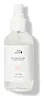
This calming treatment is formulated around Aloe Barbadensis Leaf Juice and Rosa Damascena Flower Water to calm redness and hydrate skin.
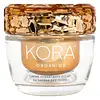
This brightening moisturizer is formulated around Aloe Barbadensis Leaf Juice and Ascorbyl Glucoside to brighten dull-looking skin and hydrate skin.


What's inside
What's inside
 Key Ingredients
Benefits
Concerns
Ingredients Side-by-side
Aloe Barbadensis Leaf Juice
Skin Conditioning


Rosa Damascena Flower Water
Masking
Calendula Officinalis Flower Extract
Masking
Camellia Sinensis Leaf Extract
Antimicrobial




Chamomilla Recutita Flower Extract
Masking

Aloe Barbadensis Leaf Juice, Rosa Damascena Flower Water, Calendula Officinalis Flower Extract, Camellia Sinensis Leaf Extract, Chamomilla Recutita Flower Extract, Sodium Hyaluronate, Rosa Damascena Flower Oil, Xanthan Gum, Potassium Sorbate, Dehydroacetic Acid, Glycerin, Water, Citronellol, Eugenol, Geraniol
Aloe Barbadensis Leaf Juice
Skin Conditioning
Glycerin
Humectant
Coconut Alkanes
Emollient


Cetearyl Alcohol
Emollient



Persea Gratissima Oil
Skin Conditioning
Rosa Canina Seed Oil
Emollient
Balanites Roxburghii Seed Oil
Skin Conditioning
Water
Skin ConditioningLactobacillus Ferment
Skin Conditioning
Cetearyl Olivate
Helianthus Annuus Seed Oil
Emollient
Sorbitan Olivate
Emulsifying
Butyrospermum Parkii Butter
Skin Conditioning
Hippophae Rhamnoides Fruit Oil
Skin Protecting
Passiflora Edulis Seed Oil
Emollient
Caprylic/Capric Triglyceride
Masking
Oryza Sativa Extract
Absorbent
Lactobacillus
Skin ConditioningAscorbyl Glucoside
Antioxidant
Coco-Caprylate/Caprate
Emollient
Lactobacillus/Arundinaria Gigantea Leaf Ferment Filtrate
Skin ConditioningAstrocaryum Murumuru Seed Butter
Emollient
Gossypium Herbaceum Seed Oil
Skin Conditioning
Saccharomyces Lysate Extract
Humectant
Bidens Pilosa Extract
HumectantCalendula Officinalis Flower Extract
Masking
Cocos Nucifera Fruit Extract
Emollient
Potassium Sorbate
Preservative
Lavandula Angustifolia Oil
Masking


Linum Usitatissimum Seed Oil
Perfuming
Lactic Acid
Buffering

Phospholipids
Skin Conditioning
Citrus Limon Peel Oil
Masking
Hydrolyzed Sodium Hyaluronate
Skin Conditioning
Mentha Piperita Oil
Masking
Sclerotium Gum
Emulsion StabilisingPotassium Hydroxide
BufferingCurcuma Longa Root Extract
Antioxidant
Glycyrrhiza Glabra Root Extract
Bleaching
Morinda Citrifolia Fruit Extract
Skin Conditioning
Yogurt Powder
Sodium Phytate
ChelatingCylindrotheca Fusiformis Extract
Antioxidant
Leuconostoc/Radish Root Ferment Filtrate
Antimicrobial
Cananga Odorata Flower Oil
Masking
Juniperus Virginiana Oil
Masking
Leuconostoc Ferment Filtrate
AntimicrobialTocopherol
Antioxidant
Bisabolol
Antioxidant
Soybean Peroxidase
Antioxidant
Superoxide Dismutase
Antioxidant
Alcohol
Antimicrobial
Citral
Perfuming
Geraniol
Perfuming
Limonene
Perfuming
Linalool
Perfuming
Aloe Barbadensis Leaf Juice, Glycerin, Coconut Alkanes, Cetearyl Alcohol, Persea Gratissima Oil, Rosa Canina Seed Oil, Balanites Roxburghii Seed Oil, Water, Lactobacillus Ferment, Cetearyl Olivate, Helianthus Annuus Seed Oil, Sorbitan Olivate, Butyrospermum Parkii Butter, Hippophae Rhamnoides Fruit Oil, Passiflora Edulis Seed Oil, Caprylic/Capric Triglyceride, Oryza Sativa Extract, Lactobacillus, Ascorbyl Glucoside, Coco-Caprylate/Caprate, Lactobacillus/Arundinaria Gigantea Leaf Ferment Filtrate, Astrocaryum Murumuru Seed Butter, Gossypium Herbaceum Seed Oil, Saccharomyces Lysate Extract, Bidens Pilosa Extract, Calendula Officinalis Flower Extract, Cocos Nucifera Fruit Extract, Potassium Sorbate, Lavandula Angustifolia Oil, Linum Usitatissimum Seed Oil, Lactic Acid, Phospholipids, Citrus Limon Peel Oil, Hydrolyzed Sodium Hyaluronate, Mentha Piperita Oil, Sclerotium Gum, Potassium Hydroxide, Curcuma Longa Root Extract, Glycyrrhiza Glabra Root Extract, Morinda Citrifolia Fruit Extract, Yogurt Powder, Sodium Phytate, Cylindrotheca Fusiformis Extract, Leuconostoc/Radish Root Ferment Filtrate, Cananga Odorata Flower Oil, Juniperus Virginiana Oil, Leuconostoc Ferment Filtrate, Tocopherol, Bisabolol, Soybean Peroxidase, Superoxide Dismutase, Alcohol, Citral, Geraniol, Limonene, Linalool
Reviews
Ingredients Explained
These ingredients are found in both products.
Ingredients higher up in an ingredient list are typically present in a larger amount.
Aloe Barbadensis Leaf Juice is the filtered, stabilized liquid pressed from the inner gel of the aloe vera leaf.
In cosmetics, it shows up as either soothing active or a water-replacement base. It is roughly 98-99% water and the last 1-2% is an interesting mix of polysaccharides, amino acids, vitamins, minerals, and enzymes.
The polysaccharides do most of the work: they bind water at the skin surface for a light, non-greasy hydration boost. And one of the polysaccharides, glycomannan, is linked to fibroblast stimulation + collagen synthesis. This is also why aloe has such a long track record in wound and burn healing.
This ingredient is also calming with anti-inflammatory and mild antimicrobial activity, making it a great pick for sensitive, irritated, or post-sun skin.
Realistic expectations matter though; the solid evidence is mostly limited to hydration, soothing, and wound support. Deeper claims about anti-aging or sun protection are not well backed, and science reviews note it does not prevent radiation-induced skin injury.
Because it plays well with almost everything, it's commonly used as a base alongside other actives like niacinamide or vitamin C.
Typical usage concentrations range from 0.5% (where hydration benefits already show up) all the way to 90%+ (where it replaces water as the main base).
The safety for this ingredient is well-establish as well. Overall, this is a great supporting ingredient for those who want a boost in hydration.
Learn more about Aloe Barbadensis Leaf JuiceCalendula Officinalis Flower Extract comes from the marigold flower and has been used on skin for centuries for its calming effect.
In the lab, its active compounds appear to calm inflammation and support the early "healing" phase of minor wounds.
This is why Europe's medicines regulator has approved calendula extracts as a traditional remedy for minor skin inflammation and healing small wounds.
The stronger human evidence is around would/ulcer care rather than everyday cosmetic claims; a review that pulled together 14 studies found that calendula helped calm the early, inflamed stage of a wound and helped new skin tissue form faster.
Two studies also showed it shrank leg ulcers (the kind caused by poor circulation). Results were mixed for burns and for the skin irritation people get from radiation treatment, so it's not a sure thing there.
In cosmetics, it's mostly a skin conditioning and soothing agent.
The Cosmetic Ingredient Review panel concluded that calendula-derived ingredients are safe as used and that the ingredients are not irritating, sensitizing, or photosensitizing in clinical tests (though they may be mild eye irritants).
Typical use levels are quite low; industry data reported it used at under 0.5% (one supplier noted a 10-25% extract blend used at 1-10% in the finished product). Historical use goes up to 10%.
The only thing to keep in mind is if you have daisy/ragweed allergies. Calendula is in the same family and one patch-test study found 2% of dermatitis patients reacted to marigold. Be sure to patch test if you have sensitive or allergy-prone skin.
Learn more about Calendula Officinalis Flower ExtractGeraniol is used to add fragrance/parfum to a product. It is the main component of citronellol. It is a monoterpenoid and an alcohol.
Monoterpenes are naturally found in many parts of different plants.
Geraniol can be found in many essential oils including Rose Oil and Citronella Oil. The scent of Geraniol is often described as "rose-like". Many foods also contain Geraniol for fruit flavoring.
Geraniol can irritate the skin when exposed to air. However, irritation depends on the ability of geraniol to penetrate into the skin. In general, geraniol is not able to penetrate skin easily.
Geraniol is colorless and has low water-solubility. However, it is soluble in common organic solvents.
Like citronellol, it is a natural insect repellent.
2,6-Octadien-1-ol, 3,7-dimethyl-, (2E)-
Learn more about GeraniolGlycerin (or glycerol) is a compound naturally found in your skin. It's a powerhouse humectant that pulls water into the stratum corneum.
Topically, glycerin does several things at once:
Your skin makes glycerin on its own (mostly from sebaceous oil breakdown) and shuttles it to your outermost layer of skin, or your epidermis, via aquaporin-3.
Aquaporin-3 is a transporter that is essential for normal skin hydration, elasticity, and repair. Interestingly, mice lacking in AQP3 have dry and less elastic skin that can be fully corrected with glycerin.
This ingredient is non-irritating, plays well with almost every ingredient, and works across all skin types. Typical use is anywhere between 3-10% but can go up to 79% in some leave-on products.
Just know very high concentrations (>40%) can feel tacky in low humidity.
Glycerin is the name for this ingredient in American English. British English uses Glycerol/Glycerine.
Learn more about GlycerinPotassium Sorbate is a preservative used to prevent yeast and mold in products. It is commonly found in both cosmetic and food products.
This ingredient comes from potassium salt derived from sorbic acid. Sorbic acid is a natural antibiotic and effective against fungus.
Both potassium sorbate and sorbic acid can be found in baked goods, cheeses, dried meats, dried fruit, ice cream, pickles, wine, yogurt, and more.
You'll often find this ingredient used with other preservatives.
Learn more about Potassium SorbateWater. It's the most common cosmetic ingredient of all. You'll usually see it at the top of ingredient lists, meaning that it makes up the largest part of the product.
So why is it so popular? Water most often acts as a solvent - this means that it helps dissolve other ingredients into the formulation.
You'll also recognize water as that liquid we all need to stay alive. If you see this, drink a glass of water. Remember to stay hydrated!
Learn more about Water

