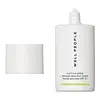
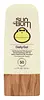
W3ll People Daygleamer Mineral Sunscreen Serum Broad Spectrum SPF 34 Versus Sun Bum Daily SPF 50 Face Gel
This mineral sunscreen covers the full UV range and blocks ~97% of UVB at SPF 34.
This chemical sunscreen covers most of the UV range, lighter on the deep UVA that drives aging.

What's inside
What's inside
 Key Ingredients
Benefits
Concerns
Ingredients Side-by-side
Zinc Oxide
Cosmetic Colorant


Water
Skin ConditioningCaprylic/Capric Triglyceride
Masking


Propanediol
Solvent
Coco-Caprylate/Caprate
Emollient
Dicaprylyl Carbonate
EmollientArgania Spinosa Kernel Oil
Emollient




Niacinamide
Smoothing







Squalane
Emollient
Aloe Barbadensis Leaf Juice
Skin Conditioning
Tocopheryl Acetate
Antioxidant

1,2-Hexanediol
Skin Conditioning
Cetearyl Olivate
Sorbitan Olivate
Emulsifying
Cetyl Alcohol
Emollient
Hydroxyacetophenone
Antioxidant
Panthenol
Skin Conditioning
Tocopherol
Antioxidant
Xanthan Gum
EmulsifyingSorbitan Oleate Decylglucoside Crosspolymer
CleansingButylene Glycol
Humectant
Isostearic Acid
Cleansing

Lecithin
Emollient
Polyglyceryl-3 Polyricinoleate
Emulsifying
Polyhydroxystearic Acid
Emulsifying
Bisabolol
Antioxidant
Tetrahexyldecyl Ascorbate
Antioxidant
Canola Oil
Emollient
Citrus Aurantium Dulcis Peel Oil
Masking
Citrus Aurantifolia Oil
Cleansing


Biosaccharide Gum-4
Skin Conditioning
Alteromonas Ferment Extract
Skin Conditioning
Citrus Aurantium Bergamia Fruit Oil
Masking
Citrus Limon Peel Oil
Masking
Zingiber Officinale Root Oil
Masking
Citric Acid
Buffering
Potassium Sorbate
Preservative
Sodium Benzoate
Masking
Humulus Lupulus Oil
Masking
Farnesol
Perfuming
Limonene
Perfuming
Zinc Oxide, Water, Caprylic/Capric Triglyceride, Propanediol, Coco-Caprylate/Caprate, Dicaprylyl Carbonate, Argania Spinosa Kernel Oil, Niacinamide, Squalane, Aloe Barbadensis Leaf Juice, Tocopheryl Acetate, 1,2-Hexanediol, Cetearyl Olivate, Sorbitan Olivate, Cetyl Alcohol, Hydroxyacetophenone, Panthenol, Tocopherol, Xanthan Gum, Sorbitan Oleate Decylglucoside Crosspolymer, Butylene Glycol, Isostearic Acid, Lecithin, Polyglyceryl-3 Polyricinoleate, Polyhydroxystearic Acid, Bisabolol, Tetrahexyldecyl Ascorbate, Canola Oil, Citrus Aurantium Dulcis Peel Oil, Citrus Aurantifolia Oil, Biosaccharide Gum-4, Alteromonas Ferment Extract, Citrus Aurantium Bergamia Fruit Oil, Citrus Limon Peel Oil, Zingiber Officinale Root Oil, Citric Acid, Potassium Sorbate, Sodium Benzoate, Humulus Lupulus Oil, Farnesol, Limonene
Butyl Methoxydibenzoylmethane 3%
UV Absorber
Homosalate 9%
Skin Conditioning
Ethylhexyl Salicylate 5%
UV Absorber
Octocrylene 10%
UV Absorber
Isododecane
EmollientDimethicone/Bis-Isobutyl PPG-20 Crosspolymer
Emollient
Dicaprylyl Carbonate
EmollientButyloctyl Salicylate
Skin Conditioning
Hydrated Silica
Abrasive
Cocos Nucifera Oil
Masking
Crambe Abyssinica Seed Oil
Skin Conditioning
Helianthus Annuus Seed Oil
Emollient
Neopentyl Glycol Diheptanoate
EmollientPolycitronellol Acetate
Polyester-7
Skin ConditioningPongamia Pinnata Seed Extract
Skin ConditioningRicinus Communis Seed Oil
Masking
Simmondsia Chinensis Seed Oil
Emollient
Tetrahexyldecyl Ascorbate
Antioxidant
Tocopheryl Acetate
Antioxidant
Tridecane
Perfuming
Undecane
EmollientButyl Methoxydibenzoylmethane 3%, Homosalate 9%, Ethylhexyl Salicylate 5%, Octocrylene 10%, Isododecane, Dimethicone/Bis-Isobutyl PPG-20 Crosspolymer, Dicaprylyl Carbonate, Butyloctyl Salicylate, Hydrated Silica, Cocos Nucifera Oil, Crambe Abyssinica Seed Oil, Helianthus Annuus Seed Oil, Neopentyl Glycol Diheptanoate, Polycitronellol Acetate, Polyester-7, Pongamia Pinnata Seed Extract, Ricinus Communis Seed Oil, Simmondsia Chinensis Seed Oil, Tetrahexyldecyl Ascorbate, Tocopheryl Acetate, Tridecane, Undecane
Reviews
Ingredients Explained
These ingredients are found in both products.
Ingredients higher up in an ingredient list are typically present in a larger amount.
Dicaprylyl Carbonate comes from carbonic acid and caprylyl alcohol, a fatty alcohol. It is an emollient and gives skin a velvet feel. The sources of Dicaprylyl Carbonate may be synthetic or from animals.
As an emollient, Dicaprylyl Carbonate creates a film on the skin. This film traps moisture in, keeping your skin soft and hydrated.
Tetrahexyldecyl Ascorbate (THD) is a stable and oil-soluble form of Vitamin C.
THD is special in that it has the ability to travel deeper into skin than traditional ascorbic acid while maintaining the same skin benefits (double win!).
Because it’s oil-soluble, THD dives deep into your skin’s fatty layers (think ceramides and cholesterol) to fight off the kind of free radicals that mess with your skin barrier. This makes it a great pair with water-based vitamin C (ascorbic acid) that mainly works on the surface.
Even at just 0.1%, THD is already showing great antioxidant activity. When used up to 2%, it helps keep your skin happy and calm, especially when it’s stressed from pollution or sun.
Want to fade dark spots or tackle hyperpigmentation? You’ll want 5% or more. Pairing it with brightening buddies like niacinamide or licorice root gives even better results. One study even used 30% THD with other brighteners and saw real results on stubborn discoloration, even in melasma-prone skin.
A note on THD: It’s has a slightly silky, oily texture and usually shows up colorless or pale yellow (though the exact shade can vary by supplier).
While you can sneak it into water-based formulas, it really shines when paired with silicones or oils, which help your skin soak it up better.
THD is pretty stable, but it’s still vulnerable to degradation like ascorbic acid. Too much light or heat (above 113°F / 45°C) can break it down over time. Go for dark and opaque packaging that keeps it safe and shady!
Read more about other types of Vitamin C:
Learn more about Tetrahexyldecyl AscorbateTocopheryl Acetate is a stable, shelf-friendly form of vitamin E.
Formulators love it because plain vitamin E oxidizes quickly once it hits air. This acetate version stays stable and resists going off, helping to extend a product's shelf life.
It's actually inactive on its own and works like a slow-release "storage" form; the enzymes in your skin called esterases gradually convert it into active vitamin E over time.
One in vivo study showed 5% of the acetate in the living layer of the epidermis converted to vitamin E after 5 days of application. This study also found the skin gained protection against UV damage even though the conversion was slow and small.
Once converted, vitamin E acts as a skin's main fat-soluble antioxidant that fights free radicals to protect skin from damage.
Topical vitamin E generally boosts the skin's photoprotection, and it reduced UV-damage in animal models.
This ingredient has some brightening potential but it's more of a prevention ingredient than spot-fader. Cell studies show it can slow down melanin production but it's worth noting that it's not the most powerful brightener out there.
Overall, it has a pretty solid safety profile and has been found to be non-irritating and non-comedogenic. Allergic reactions may happen but stay rare due to how widely the ingredient gets used.
The concentration will vary depending on the formula; industry data shows 0.1% in baby lotions, 3% in lipsticks, and 5% in foot powders. You can also find this ingredient at 100% in a pure vitamin E oil.
Most leave-on skincare keeps it at the lower end, often between 0.5-1%.
Learn more about Tocopheryl Acetate


