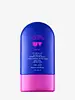
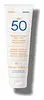
Ultra Violette Future Mineral Skinscreen SPF 50 Versus KORRES Yoghurt Sunscreen Emulsion Body + Face SPF 50


What's inside
What's inside
 Key Ingredients
Benefits
Concerns
Ingredients Side-by-side
Water
Skin ConditioningZinc Oxide
Cosmetic Colorant


Diisopropyl Adipate
EmollientCoco-Caprylate/Caprate
Emollient

Ethylhexyl Methoxycrylene
Skin Conditioning
C12-15 Alkyl Benzoate
AntimicrobialGlyceryl Oleate Citrate
Emulsifying
Propanediol
Solvent

Decyl Glucoside
Cleansing
Polyglyceryl-4 Isostearate
Emulsifying
Squalane
Emollient
Aluminum Starch Octenylsuccinate
Absorbent
Caprylic/Capric Triglyceride
Masking
Triethoxycaprylylsilane

Magnesium Aluminum Silicate
Absorbent
Saccharide Isomerate
Humectant
Citric Acid
Buffering


Sodium Citrate
BufferingHydroxyacetophenone
Antioxidant

Potassium Cetyl Phosphate
EmulsifyingTocopheryl Acetate
Antioxidant
Phenoxyethanol
Preservative
CI 77492
Cosmetic ColorantPolyhydroxystearic Acid
Emulsifying
Ammonium Polyacryloyldimethyl Taurate
Emulsion StabilisingCI 77491
Cosmetic ColorantCI 77499
Cosmetic ColorantLactic Acid
Buffering




Sodium Hydroxide
BufferingWater, Zinc Oxide, Diisopropyl Adipate, Coco-Caprylate/Caprate, Ethylhexyl Methoxycrylene, C12-15 Alkyl Benzoate, Glyceryl Oleate Citrate, Propanediol, Decyl Glucoside, Polyglyceryl-4 Isostearate, Squalane, Aluminum Starch Octenylsuccinate, Caprylic/Capric Triglyceride, Triethoxycaprylylsilane, Magnesium Aluminum Silicate, Saccharide Isomerate, Citric Acid, Sodium Citrate, Hydroxyacetophenone, Potassium Cetyl Phosphate, Tocopheryl Acetate, Phenoxyethanol, CI 77492, Polyhydroxystearic Acid, Ammonium Polyacryloyldimethyl Taurate, CI 77491, CI 77499, Lactic Acid, Sodium Hydroxide
Water
Skin ConditioningDibutyl Adipate
EmollientIsoamyl Laurate
Emollient
Diethylamino Hydroxybenzoyl Hexyl Benzoate
UV Filter
Triheptanoin
Skin ConditioningBis-Ethylhexyloxyphenol Methoxyphenyl Triazine
Skin Conditioning
Tris-Biphenyl Triazine
UV Absorber
Glycerin
Humectant
Methylpropanediol
SolventUndecane
EmollientDiethylhexyl Butamido Triazone
UV Absorber
Ethylhexyl Triazone
UV Absorber
Polymethyl Methacrylate
Distarch Phosphate
AbsorbentPolyamide-3
Tridecane
Perfuming
Acrylates/C10-30 Alkyl Acrylate Crosspolymer
Emulsion StabilisingArgania Spinosa Kernel Oil
Emollient
Bisabolol
Antioxidant
Butylene Glycol
Humectant
Caprylyl Glycol
Emollient
Cetearyl Alcohol
Emollient

Decyl Glucoside
Cleansing
Disodium Cetearyl Sulfosuccinate
CleansingDisodium Phosphate
BufferingGlyceryl Stearate
Emollient
Hydroxyacetophenone
Antioxidant
Lactic Acid
Buffering
Panthenol
Skin Conditioning
Pentaerythrityl Tetra-Di-T-Butyl Hydroxyhydrocinnamate
Antioxidant
Phenylpropanol
Masking
Sodium Carboxymethyl Beta-Glucan
CleansingSodium Hydroxide
BufferingSodium Phytate
Tocopherol
Antioxidant
Tocopheryl Acetate
Antioxidant
Vp/Eicosene Copolymer
Xanthan Gum
EmulsifyingYogurt Powder
Zingiber Officinale Root Extract
Masking
Parfum
Masking
Alcohol
Antimicrobial


Water, Dibutyl Adipate, Isoamyl Laurate, Diethylamino Hydroxybenzoyl Hexyl Benzoate, Triheptanoin, Bis-Ethylhexyloxyphenol Methoxyphenyl Triazine, Tris-Biphenyl Triazine, Glycerin, Methylpropanediol, Undecane, Diethylhexyl Butamido Triazone, Ethylhexyl Triazone, Polymethyl Methacrylate, Distarch Phosphate, Polyamide-3, Tridecane, Acrylates/C10-30 Alkyl Acrylate Crosspolymer, Argania Spinosa Kernel Oil, Bisabolol, Butylene Glycol, Caprylyl Glycol, Cetearyl Alcohol, Decyl Glucoside, Disodium Cetearyl Sulfosuccinate, Disodium Phosphate, Glyceryl Stearate, Hydroxyacetophenone, Lactic Acid, Panthenol, Pentaerythrityl Tetra-Di-T-Butyl Hydroxyhydrocinnamate, Phenylpropanol, Sodium Carboxymethyl Beta-Glucan, Sodium Hydroxide, Sodium Phytate, Tocopherol, Tocopheryl Acetate, Vp/Eicosene Copolymer, Xanthan Gum, Yogurt Powder, Zingiber Officinale Root Extract, Parfum, Alcohol
Reviews
Ingredients Explained
These ingredients are found in both products.
Ingredients higher up in an ingredient list are typically present in a larger amount.
Decyl Glucoside is a plant-derived surfactant and emulsion stabilizer. It is created by reacting glucose with the fatty acids from plants.
Like all surfactants, it works by lowering the surface tension between water and oil. This makes it so that dirt, sebum, and makeup can be lifted off your skin and rinsed away. It also produces a dense and creamy foam.
Because it has a neutral charge, it is compatible with a wide range of ingredients and stays stable across a broad pH range/water hardiness conditions.
Patch testing has shown it to have the lowest irritation potential among common cleansing surfactants (like SLS).
Typical use levels range from 5-20% in rinse-off cleansers.
One thing worth knowing: The American Contact Dermatitis Society named the parent family, alkyl glucosides, "Allergen of the Year" in 2017. The prevalence of allergy is pretty low but be sure to patch test if you've reacted to "gentle" or sulfate-free cleansers before.
This ingredient is fungal acne safe because the fatty alcohol portion of this ingredient is not within the C11-24 chain length that Malassezia can metabolize.
Learn more about Decyl GlucosideHydroxyacetophenone is antioxidant with skin conditioning and soothing properties. It also boosts the efficiency of preservatives.
Though naturally occuring in Norwegian spruce needles, this ingredient is usually synthetically created.
This ingredient is not irritating or sensitizing. Recent research also suggests it may have skin-brightening effects through tyrosinase inhibition.
Learn more about HydroxyacetophenoneLactic Acid is another well-loved alpha hydroxy acid (AHA). It is gentler than glycolic acid but still highly effective.
Its main role is to exfoliate the surface of the skin by loosening the “glue” that holds dead skin cells together. Shedding those old cells leads to smoother, softer, and more even-toned skin.
Because lactic acid molecules are larger than glycolic acid, they don’t penetrate as deeply. This means they’re less likely to sting or irritate, making it a great choice for beginners or those with sensitive skin.
Like glycolic acid, it can:
Lactic acid also acts as a humectant (like hyaluronic acid). It can draw water into the skin to improve hydration and also plays a role in the skin's natural moisturizing factor (NMF) in the form of sodium lactate.
Studies show it can boost ceramide production to strengthen the skin barrier and even help balance the skin’s microbiome.
To get results, choose products with a pH between 3-4.
Lower strengths (5-12%) focus on surface exfoliation; higher strengths (12% and up) can reach deeper in the dermis (deeper, supportive layer) to improve skin texture and firmness over time.
Though it was originally derived from milk, most modern lactic acid used in skincare is vegan. It is made through non-dairy fermentation to create a bio-identical and stable form suitable for all formulations.
When lactic acid shows up near the end of an ingredient list, it usually means the brand added just a tiny amount to adjust the product’s pH.
Legend has it that Cleopatra used to bathe in sour milk to help reduce wrinkles.
Lactic acid is truly a gentle multitasker: it exfoliates, hydrates, strengthens, and brightens. It's a great ingredient for giving your skin a smooth, glowing, and healthy look without the harshness of stronger acids.
Read more about some other popular AHA's here:
Learn more about Lactic AcidSodium Hydroxide is also known as lye or caustic soda. It is used to adjust the pH of products; many ingredients require a specific pH to be effective.
In small amounts, sodium hydroxide is considered safe to use. However, large amounts may cause chemical burns due to its high alkaline.
Your skin has a natural pH and acid mantle. This acid mantle helps prevent harmful bacteria from breaking through. The acid mantle also helps keep your skin hydrated.
"Alkaline" refers to a high pH level. A low pH level would be considered acidic.
Learn more about Sodium HydroxideTocopheryl Acetate is AKA Vitamin E. It is an antioxidant and protects your skin from free radicals. Free radicals damage the skin by breaking down collagen.
One study found using Tocopheryl Acetate with Vitamin C decreased the number of sunburned cells.
Tocopheryl Acetate is commonly found in both skincare and dietary supplements.
Learn more about Tocopheryl AcetateWater. It's the most common cosmetic ingredient of all. You'll usually see it at the top of ingredient lists, meaning that it makes up the largest part of the product.
So why is it so popular? Water most often acts as a solvent - this means that it helps dissolve other ingredients into the formulation.
You'll also recognize water as that liquid we all need to stay alive. If you see this, drink a glass of water. Remember to stay hydrated!
Learn more about Water
