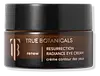
This brightening eye moisturizer is formulated around Camellia Sinensis Leaf Extract and Glycyrrhiza Glabra Root Extract to brighten dull-looking skin and hydrate skin.
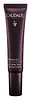
This anti-aging eye moisturizer is formulated around Palmitoyl Grapevine Shoot Extract and Hydrolyzed Hyaluronic Acid to soften the look of wrinkles and brighten dull-looking skin.


What's inside
What's inside
 Key Ingredients
Benefits
Concerns
Ingredients Side-by-side
Camellia Sinensis Leaf Extract
Antimicrobial







Mangifera Indica Seed Butter
Skin Conditioning

Glycerin
Humectant

Hydrogenated Vegetable Oil
Emollient


Silybum Marianum Ethyl Ester
Skin ConditioningCetearyl Olivate
Coffea Arabica Seed Oil
Masking
Sorbitan Olivate
Emulsifying
Selaginella Lepidophylla Extract
EmollientTerminalia Arjuna Extract
Skin ConditioningSodium Hyaluronate
Humectant
Coffea Arabica Seed Extract
Masking
Glycyrrhiza Glabra Root Extract
Bleaching
Hippophae Rhamnoides Oil
Emollient
Rosa Rubiginosa Seed Oil
Emollient
Simmondsia Chinensis Seed Oil
Emollient
Persea Gratissima Oil
Skin Conditioning
Lactobacillus Ferment
Skin Conditioning
Caprylic/Capric Triglyceride
Masking
Oleic Acid
Emollient
Populus Tremuloides Bark Extract
AntiseborrhoeicCitric Acid
Buffering
Sodium Phytate
ChelatingTocopherol
Antioxidant
Sclerotium Gum
Emulsion StabilisingLecithin
Emollient
Phenethyl Alcohol
MaskingEthylhexylglycerin
Skin ConditioningCamellia Sinensis Leaf Extract, Mangifera Indica Seed Butter, Glycerin, Hydrogenated Vegetable Oil, Silybum Marianum Ethyl Ester, Cetearyl Olivate, Coffea Arabica Seed Oil, Sorbitan Olivate, Selaginella Lepidophylla Extract, Terminalia Arjuna Extract, Sodium Hyaluronate, Coffea Arabica Seed Extract, Glycyrrhiza Glabra Root Extract, Hippophae Rhamnoides Oil, Rosa Rubiginosa Seed Oil, Simmondsia Chinensis Seed Oil, Persea Gratissima Oil, Lactobacillus Ferment, Caprylic/Capric Triglyceride, Oleic Acid, Populus Tremuloides Bark Extract, Citric Acid, Sodium Phytate, Tocopherol, Sclerotium Gum, Lecithin, Phenethyl Alcohol, Ethylhexylglycerin
Water
Skin ConditioningMica
Cosmetic ColorantCoco-Caprylate/Caprate
Emollient
Ethylhexyl Stearate
Emollient
Glycerin
Humectant
Butylene Glycol
Humectant
Bis-Behenyl/Isostearyl/Phytosteryl Dimer Dilinoleyl Dimer Dilinoleate
EmollientZea Mays Starch
Absorbent
Pentylene Glycol
Skin Conditioning
Propanediol
Solvent
Cetearyl Alcohol
Emollient
Cetearyl Glucoside
Emulsifying
Persea Gratissima Oil
Skin Conditioning
Hydrogenated Olive Oil Stearyl Esters
Emulsion Stabilising
Palmitoyl Grapevine Shoot Extract
Antioxidant
Palmitoyl Grape Seed Extract
Skin ConditioningCaprylic/Capric Triglyceride
Masking
Oleic Acid
Emollient
Hydrogenated Avocado Oil
Skin Conditioning
Potassium Cetyl Phosphate
EmulsifyingTocopheryl Acetate
Antioxidant
Carbomer
Emulsion StabilisingCI 77891
Cosmetic ColorantTerminalia Arjuna Extract
Skin ConditioningXanthan Gum
EmulsifyingHelianthus Annuus Seed Oil
Emollient
Sodium Dehydroacetate
Preservative
CI 77491
Cosmetic ColorantHydrolyzed Hyaluronic Acid
Humectant
Magnolia Officinalis Bark Extract
Antimicrobial
Tocopherol
Antioxidant
Adenosine
Skin Conditioning
Lecithin
Emollient
Sodium Phytate
ChelatingGleditsia Triacanthos Seed Extract
Caprylyl Glycol
Emollient
Aniba Rosodora Wood Extract
MaskingWater, Mica, Coco-Caprylate/Caprate, Ethylhexyl Stearate, Glycerin, Butylene Glycol, Bis-Behenyl/Isostearyl/Phytosteryl Dimer Dilinoleyl Dimer Dilinoleate, Zea Mays Starch, Pentylene Glycol, Propanediol, Cetearyl Alcohol, Cetearyl Glucoside, Persea Gratissima Oil, Hydrogenated Olive Oil Stearyl Esters, Palmitoyl Grapevine Shoot Extract, Palmitoyl Grape Seed Extract, Caprylic/Capric Triglyceride, Oleic Acid, Hydrogenated Avocado Oil, Potassium Cetyl Phosphate, Tocopheryl Acetate, Carbomer, CI 77891, Terminalia Arjuna Extract, Xanthan Gum, Helianthus Annuus Seed Oil, Sodium Dehydroacetate, CI 77491, Hydrolyzed Hyaluronic Acid, Magnolia Officinalis Bark Extract, Tocopherol, Adenosine, Lecithin, Sodium Phytate, Gleditsia Triacanthos Seed Extract, Caprylyl Glycol, Aniba Rosodora Wood Extract
Reviews
Ingredients Explained
These ingredients are found in both products.
Ingredients higher up in an ingredient list are typically present in a larger amount.
Caprylic/Capric Triglyceride (aka MCT Oil) is a lightweight emollient, solvent, and texture enhancer. It is considered a skin-softener by helping to prevent moisture loss.
Though it behaves like an oil, it is not technically one due to its chemical composition. One perk of this ingredient is that it is very stable, resistant to oxidation, and unlikely to go rancid.
In practice, that translates to a long shelf life and a consistently elegant skin feel.
While there is an assumption Caprylic Triglyceride can clog pores due to it being derived from coconut oil, there is no research supporting this. Just patch test if you have concerns.
Fractionated coconut oil and MCT Oil are both listed as Caprylic/Capric Triglyceride according to INCI. This is because INCI names are based on the ingredient’s final chemical composition and not its marketing name or source.
This ingredient is treated as the gold standard fungal acne safe oil. Even though it is coconut derived, the problematic lauric acid is stripped out.
This leaves just caprylic (C8) and capric (C10) acid. These chain lengths actually trend antifungal; a 2020 study found caprylic acid was enough to disrupt Malassezia furfur cell membrane, with a caprylic acid derivative damaging membrane structures at concentrations as low as 0.2%.
Learn more about Caprylic/Capric TriglycerideGlycerin (or glycerol) is a compound naturally found in your skin. It's a powerhouse humectant that pulls water into the stratum corneum.
Topically, glycerin does several things at once:
Your skin makes glycerin on its own (mostly from sebaceous oil breakdown) and shuttles it to your outermost layer of skin, or your epidermis, via aquaporin-3.
Aquaporin-3 is a transporter that is essential for normal skin hydration, elasticity, and repair. Interestingly, mice lacking in AQP3 have dry and less elastic skin that can be fully corrected with glycerin.
This ingredient is non-irritating, plays well with almost every ingredient, and works across all skin types. Typical use is anywhere between 3-10% but can go up to 79% in some leave-on products.
Just know very high concentrations (>40%) can feel tacky in low humidity.
Glycerin is the name for this ingredient in American English. British English uses Glycerol/Glycerine.
Learn more about GlycerinLecithin is a term for a group of substances found in the cell membranes of plants, animals, and humans. They are made up of phospholipids.
Thanks to its amphiphilic structure (water-loving head and oil-loving tail), it is a true multitasker:
It plays well with most ingredients and is typically used at 0.1-1%. However, concentrations up to 50% have been reported in moisturizers.
Learn more about LecithinOleic Acid is an Omega-9 fatty acid that can be found naturally in your skin's sebum and in many plant oils such as avocado and olive oil.
It is an emollient that helps soften skin and prevent moisture loss.
Research shows:
A 1998 study did find that applying oleic acid at higher concentrations may cause irritation and disrupt the skin barrier. Modern formulations typically use low levels that is well-tolerated.
The culprit behind fungal acne, the Malassezia yeast, feeds on fatty acids with carbon chain lengths between C11-C24. Oleic Acid, at C18, falls right into that sweet spot.
In vitro studies have shown that Oleic Acid is one of the fatty acids that induce rapid Malassezia growth in lab settings.
Oleic Acid is widely listed with a comedogenic rating but no published study has ever actually assigned it one.
The 0 to 5 scale everyone quotes comes from Fulton's 1989 survey in the Journal of the Society of Cosmetic Chemists and Oleic Acid does not appear in his fatty acid tables at all; what he did test were related ingredients built from it, like Decyl Oleate and Oleyl Alcohol (which did get ratings).
Somewhere along the way people seem to have borrowed those numbers for Oleic Acid itself.
So why is it considered comedogenic? Oleic Acid has been studied. Researchers in 1971 and 1983 applied it to rabbit ears (the standard test back then) and it did clog pores. The 1983 study also found something useful: oxidized Oleic Acid, meaning the kind that's gone rancid, clogged pores noticeably more than fresh Oleic Acid did.
It's just worth keeping in mind that these tests used rabbit skin which reacts more easily than ours. They also used much higher concentrations than you'd ever find in a real product.
A 2006 study on actual people found finished products made with comedogenic ingredients often turn out not to be comedogenic at all. As always, listen to your skin.
Learn more about Oleic AcidThis ingredient is also known as Avocado oil. It's the cold-pressed oil from the flesh of the avocado fruit packed with fatty acids (mostly oleic acid).
The rich fatty acid profile allows it to function as a skin conditioning agent and emollient; it helps soften and smooth skin while reducing water loss.
Preclinical research has found that topical avocado oil increased collagen synthesis and reduced inflammation during wound healing, giving it some skin-repairing credibility.
The unsaponifiable fraction of the oil is also interesting: studies on avocado unsaponifiables showed that it helped skin produce more collagen and other structural compounds that support healing.
The CIR Expert Panel has found this ingredient to be non-irritating in formulations.
It's a great ingredient for dry or compromised skin. Just know it may not be fungal acne safe. This is because the oleic acid content falls within the range that Malassezia can use as a food source.
Learn more about Persea Gratissima OilSodium Phytate is the sodium salt of Phytic acid, a compound that plants store phosphorus in. It's the plant-derived alternative to ingredients like Disodium EDTA.
In skincare, this ingredient is a chelator that grabs onto trace metal ions like iron and copper that sneak into formulas through water/raw materials.
Those metals speed up oxidation so binding them keeps oils, fragrance, and actives from going off, stops color changes, and helps the preservative system work harder.
Survey data shows usage levels range from 0.0099%-0.5% in leave-on products, 0.025%-0.3% in rinse-off, and up to 0.05% in eye-area products. Suppliers typically recommend a range between 0.05-0.5%.
Learn more about Sodium PhytateWe don't have a description for Terminalia Arjuna Extract yet.
Tocopherol is a fat-soluble antioxidant known as Vitamin E.
You'll find this ingredient in the vast majority of skincare (for good reason). It works to neutralize free radicals, or unstable molecules generated by UV exposure, pollution, and other environmental stressors, before they can cause oxidative damage to your skin cells.
Topically applied tocopherol has been shown to protect against UV damage by ramping up the skin's own natural defense enzymes.
It also acts as a skin conditioning agent; some studies show that regular topical use can improve the skin's water-binding capacity over 2-4 weeks.
This ingredient is especially loved for being a team player. When combined with Vitamin C, the photoprotective effect of both ingredients roughly doubles and the combo also helps reduce UV-induced DNA damage.
This ingredient has some brightening potential but it's more of a prevention ingredient than spot-fader. Cell studies show it can slow down melanin production but it's worth noting that it's not the most powerful brightener out there.
In formulations, it also serves as a stabilizer that helps protect other oxidation-prone ingredients from degrading.
Concentrations usually range from 0.1-1% in most leave-on products.
Learn more about Tocopherol

