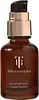
This anti-aging serum is formulated around Camellia Sinensis Leaf Extract and Hippophae Rhamnoides Fruit Oil to soften the look of wrinkles and brighten dull-looking skin.
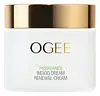
This barrier-repair moisturizer is formulated around Aloe Barbadensis Leaf Juice and Simmondsia Chinensis Seed Oil to strengthen the skin barrier and hydrate skin.

What's inside
What's inside
 Key Ingredients
Benefits
Concerns
Ingredients Side-by-side
Camellia Sinensis Leaf Extract
Antimicrobial







Aloe Barbadensis Leaf Juice
Skin Conditioning
Glycerin
Humectant

Hydrogenated Soybean Oil
Emollient




Hydrogenated Jojoba Oil
Abrasive
Hydrogenated Lecithin
Emulsifying
Phenethyl Alcohol
MaskingHippophae Rhamnoides Fruit Oil
Skin Protecting
Coriandrum Sativum Seed Oil
Emollient
Mauritia Flexuosa Fruit Oil
Skin Conditioning
Rosa Rubiginosa Seed Oil
Emollient
Salvia Hispanica Seed Oil
Emollient
Sclerotium Gum
Emulsion StabilisingAvena Sativa Bran Extract
Abrasive
Algin
MaskingWater
Skin ConditioningPersea Gratissima Oil
Skin Conditioning
Ethylhexylglycerin
Skin ConditioningSodium Phytate
ChelatingCitrus Aurantium Dulcis Peel Extract
Emulsion Stabilising
Citric Acid
Buffering
Amyris Balsamifera Bark Oil
Masking

Canarium Luzonicum Gum Oil
Perfuming
Citrus Limon Leaf Oil
Masking
Lavandula Hybrida Oil
Emollient
Rosa Damascena Flower Oil
Masking
Rosmarinus Officinalis Leaf Oil
Masking
Tocopherol
Antioxidant

Vaccinium Macrocarpon Fruit Extract
AstringentAstaxanthin
Skin Conditioning
1,2-Hexanediol
Skin Conditioning
Caprylyl Glycol
Emollient
Primula Veris Flower Extract
Skin ConditioningCitral
Perfuming
Citronellol
Perfuming
Geraniol
Perfuming
Limonene
Perfuming
Linalool
Perfuming
Camellia Sinensis Leaf Extract, Aloe Barbadensis Leaf Juice, Glycerin, Hydrogenated Soybean Oil, Hydrogenated Jojoba Oil, Hydrogenated Lecithin, Phenethyl Alcohol, Hippophae Rhamnoides Fruit Oil, Coriandrum Sativum Seed Oil, Mauritia Flexuosa Fruit Oil, Rosa Rubiginosa Seed Oil, Salvia Hispanica Seed Oil, Sclerotium Gum, Avena Sativa Bran Extract, Algin, Water, Persea Gratissima Oil, Ethylhexylglycerin, Sodium Phytate, Citrus Aurantium Dulcis Peel Extract, Citric Acid, Amyris Balsamifera Bark Oil, Canarium Luzonicum Gum Oil, Citrus Limon Leaf Oil, Lavandula Hybrida Oil, Rosa Damascena Flower Oil, Rosmarinus Officinalis Leaf Oil, Tocopherol, Vaccinium Macrocarpon Fruit Extract, Astaxanthin, 1,2-Hexanediol, Caprylyl Glycol, Primula Veris Flower Extract, Citral, Citronellol, Geraniol, Limonene, Linalool
Aloe Barbadensis Leaf Juice
Skin Conditioning
Simmondsia Chinensis Seed Oil
Emollient
Cetearyl Alcohol
Emollient

Glycerin
Humectant
Lauryl Laurate
Skin Conditioning
Water
Skin ConditioningRicinus Communis Seed Oil
Masking
Polyglyceryl-3 Stearate
Emulsifying
Alcohol
Antimicrobial

Cocos Nucifera Oil
Masking
Inulin
Skin Conditioning
Sclerotium Gum
Emulsion StabilisingVitis Vinifera Seed Oil
Emollient
Phenethyl Alcohol
MaskingCopernicia Cerifera Wax
Raspberry Ketone
Masking
Ceramide NP
Skin Conditioning
Sodium Levulinate
Skin ConditioningCitric Acid
Buffering
Acmella Oleracea Extract
Skin ProtectingSodium Anisate
AntimicrobialSodium Phytate
ChelatingGlyceryl Caprylate
EmollientGlyceryl Laurate
Emollient
Lavandula Angustifolia Oil
Masking
Genipa Americana Fruit Extract
Skin ConditioningTanacetum Annuum Flower Oil
Masking
Phytosphingosine
Skin Conditioning
Sodium Hyaluronate
Humectant
Linalool
Perfuming
Aloe Barbadensis Leaf Juice, Simmondsia Chinensis Seed Oil, Cetearyl Alcohol, Glycerin, Lauryl Laurate, Water, Ricinus Communis Seed Oil, Polyglyceryl-3 Stearate, Alcohol, Cocos Nucifera Oil, Inulin, Sclerotium Gum, Vitis Vinifera Seed Oil, Phenethyl Alcohol, Copernicia Cerifera Wax, Raspberry Ketone, Ceramide NP, Sodium Levulinate, Citric Acid, Acmella Oleracea Extract, Sodium Anisate, Sodium Phytate, Glyceryl Caprylate, Glyceryl Laurate, Lavandula Angustifolia Oil, Genipa Americana Fruit Extract, Tanacetum Annuum Flower Oil, Phytosphingosine, Sodium Hyaluronate, Linalool
Alternatives
Ingredients Explained
These ingredients are found in both products.
Ingredients higher up in an ingredient list are typically present in a larger amount.
Aloe Barbadensis Leaf Juice is the filtered, stabilized liquid pressed from the inner gel of the aloe vera leaf.
In cosmetics, it shows up as either soothing active or a water-replacement base. It is roughly 98-99% water and the last 1-2% is an interesting mix of polysaccharides, amino acids, vitamins, minerals, and enzymes.
The polysaccharides do most of the work: they bind water at the skin surface for a light, non-greasy hydration boost. And one of the polysaccharides, glycomannan, is linked to fibroblast stimulation + collagen synthesis. This is also why aloe has such a long track record in wound and burn healing.
This ingredient is also calming with anti-inflammatory and mild antimicrobial activity, making it a great pick for sensitive, irritated, or post-sun skin.
Realistic expectations matter though; the solid evidence is mostly limited to hydration, soothing, and wound support. Deeper claims about anti-aging or sun protection are not well backed, and science reviews note it does not prevent radiation-induced skin injury.
Because it plays well with almost everything, it's commonly used as a base alongside other actives like niacinamide or vitamin C.
Typical usage concentrations range from 0.5% (where hydration benefits already show up) all the way to 90%+ (where it replaces water as the main base).
The safety for this ingredient is well-establish as well. Overall, this is a great supporting ingredient for those who want a boost in hydration.
Learn more about Aloe Barbadensis Leaf JuiceCitric Acid is an alpha hydroxy acid (AHA) naturally found in citrus fruits like oranges, lemons, and limes.
Like other AHAs, citric acid can exfoliate skin by breaking down the bonds that hold dead skin cells together. This helps reveal smoother and brighter skin underneath.
However, this exfoliating effect only happens at high concentrations (20%) which can be hard to find in cosmetic products.
Due to this, citric acid is usually included in small amounts as a pH adjuster. This helps keep products slightly more acidic and compatible with skin's natural pH.
In skincare formulas, citric acid can:
While it can provide some skin benefits, research shows lactic acid and glycolic acid are generally more effective and less irritating exfoliants.
Most citric acid used in skincare today is made by fermenting sugars (usually from molasses). This synthetic version is identical to the natural citrus form but easier to stabilize and use in formulations.
Rosacea skin has a lower threshold for acids generally, with 62.5% of rosacea subjects in one study reacting to lactic acid in a sting test. This is why we mark citric acid as a potential rosacea trigger.
However, this ingredient shows up as a pH adjuster or chelator at roughly 0.1-1% in many products. These low levels are unlikely to be an issue for rosacea skin and becomes a potential trigger at exfoliating concentrations (20%). Because everybody's skin is unique, we recommend a patch test if you are unsure.
Learn more about Citric AcidGlycerin (or glycerol) is a compound naturally found in your skin. It's a powerhouse humectant that pulls water into the stratum corneum.
Topically, glycerin does several things at once:
Your skin makes glycerin on its own (mostly from sebaceous oil breakdown) and shuttles it to your outermost layer of skin, or your epidermis, via aquaporin-3.
Aquaporin-3 is a transporter that is essential for normal skin hydration, elasticity, and repair. Interestingly, mice lacking in AQP3 have dry and less elastic skin that can be fully corrected with glycerin.
This ingredient is non-irritating, plays well with almost every ingredient, and works across all skin types. Typical use is anywhere between 3-10% but can go up to 79% in some leave-on products.
Just know very high concentrations (>40%) can feel tacky in low humidity.
Glycerin is the name for this ingredient in American English. British English uses Glycerol/Glycerine.
Learn more about GlycerinLinalool is a small, naturally occurring scent molecule found in plants like lavender, coriander, bergamot, and more.
It is one of the two most-used fragrance ingredients in cosmetics and added purely for smell. Since it's not used for a skin benefit, there's no "effective dose". Concentration depends on the fragrance load of the product.
The EU requires it to be named on the label above 0.001% in leave-on and 0.01% in rinse-off products.
Fresh linalool is a weak sensitizer but air exposure turns some of it into hydroperoxides, which are strong sensitizers. Those oxidation products are the actual allergy concern.
Patch-test clinics see positive reactions to linalool hydroperoxides in about 4% to 12% of dermatitis patients depending on country and test concentration.
Resassuringly, one analytical study found hydroperoxide levels in real fragranced products to be orders of magnitude below what induced sensitization in animal studies with no evidence of oxidation building up during normal storage.
The practical takeaway is that linalool is fine for most people but worth avoiding if you have a confirmed fragrance contact allergy or a badly compromised barrier.
Products stored a long time after opening are also the high-risk scenario since that is when oxidation happens.
The scent of linalool is described as floral, spicy tropical, and citrus-like.
Learn more about LinaloolPhenethyl Alcohol is a colorless and aromatic alohol. It is naturally occuring in essential oils.
The scent of this ingredient is floral and often compared to rose.
Like other alcohols, this ingredient helps prevent the growth of bacteria. However, its main purpose is to impact a fragrance.
Learn more about Phenethyl AlcoholSclerotium Gum is a natural sugar-based fiber made by fermenting a fungus called Sclerotium rolfsii. It's often used as the plant-friendly alternative for synthetic thickeners like carbomer.
In skincare, it works as a thickener, gel former, and stabilizer that keeps heavy ingredients suspended so a product does not separate.
It is non-ionic and forms a triple helix in solution. This is just a fancy way of saying it builds a smooth, cushiony, and non-sticky gel that feels silkier than many other gums.
Another perk of this ingredient is that it is very sturdy and holds up across a wide pH range (~2-11). It's also good at resisting heat and hydrolysis.
Since it holds water at the skin surface, it can provide some light hydration as well.
Typical use levels are around 0.25-2%; formulators usually use 0.2-0.5% to thicken lotions and up to 2% for a firmer gel base.
This ingredient has been found safe in cosmetics with no meaningful evidence of skin sensitization.
Learn more about Sclerotium GumSodium Phytate is the sodium salt of Phytic acid, a compound that plants store phosphorus in. It's the plant-derived alternative to ingredients like Disodium EDTA.
In skincare, this ingredient is a chelator that grabs onto trace metal ions like iron and copper that sneak into formulas through water/raw materials.
Those metals speed up oxidation so binding them keeps oils, fragrance, and actives from going off, stops color changes, and helps the preservative system work harder.
Survey data shows usage levels range from 0.0099%-0.5% in leave-on products, 0.025%-0.3% in rinse-off, and up to 0.05% in eye-area products. Suppliers typically recommend a range between 0.05-0.5%.
Learn more about Sodium PhytateWater. It's the most common cosmetic ingredient of all. You'll usually see it at the top of ingredient lists, meaning that it makes up the largest part of the product.
So why is it so popular? Water most often acts as a solvent - this means that it helps dissolve other ingredients into the formulation.
You'll also recognize water as that liquid we all need to stay alive. If you see this, drink a glass of water. Remember to stay hydrated!
Learn more about Water

