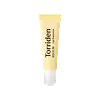
This barrier-repair lip moisturizer is formulated around Ceramide NP and Simmondsia Chinensis Seed Oil to strengthen the lip barrier and hydrate lips.
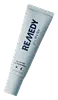
This barrier-repair lip moisturizer is formulated around Petrolatum and Butyrospermum Parkii Butter to strengthen the lip barrier and hydrate lips.


What's inside
What's inside
 Key Ingredients
Benefits
Concerns
Ingredients Side-by-side
Polyisobutene
Petrolatum
Emollient



Diisostearyl Malate
EmollientSimmondsia Chinensis Seed Oil
Emollient



Butyrospermum Parkii Butter
Skin Conditioning

Sorbitan Sesquioleate
Emulsifying
Macadamia Ternifolia Seed Oil
Emollient
Olea Europaea Fruit Oil
Masking
Adansonia Digitata Seed Oil
Emollient
Ceramide NP
Skin Conditioning



Ceramide Ns
Skin Conditioning
Ceramide As
Skin Conditioning
Ceramide EOP
Skin Conditioning
Ceramide AP
Skin Conditioning
Stearic Acid
Cleansing
Cholesterol
Emollient
Vinegar
Sodium Hyaluronate
Humectant
Panthenol
Skin Conditioning
Trehalose
Humectant
Hydrogenated Lecithin
Emulsifying
Microcrystalline Wax
Emulsion StabilisingSargassum Fusiforme Extract
Skin Protecting
Glycerin
Humectant
Butylene Glycol
Humectant
Water
Skin ConditioningCaprylic/Capric Triglyceride
Masking
1,2-Hexanediol
Skin Conditioning
Polyisobutene, Petrolatum, Diisostearyl Malate, Simmondsia Chinensis Seed Oil, Butyrospermum Parkii Butter, Sorbitan Sesquioleate, Macadamia Ternifolia Seed Oil, Olea Europaea Fruit Oil, Adansonia Digitata Seed Oil, Ceramide NP, Ceramide Ns, Ceramide As, Ceramide EOP, Ceramide AP, Stearic Acid, Cholesterol, Vinegar, Sodium Hyaluronate, Panthenol, Trehalose, Hydrogenated Lecithin, Microcrystalline Wax, Sargassum Fusiforme Extract, Glycerin, Butylene Glycol, Water, Caprylic/Capric Triglyceride, 1,2-Hexanediol
Petrolatum
Emollient
Hydroxystearic/Linolenic/Oleic Polyglycerides
EmollientHelianthus Annuus Seed Wax
Skin Conditioning
Sucrose Acetate Isobutyrate
C18-38 Alkyl Hydroxystearoyl Stearate
EmollientDimethicone
Emollient
Ethylhexyl Palmitate
Emollient
Butyrospermum Parkii Butter
Skin Conditioning
C12-15 Alkyl Benzoate
AntimicrobialCapryloyl Glycerin/Sebacic Acid Copolymer
Skin ConditioningDiheptyl Succinate
EmollientTribehenin
Emollient
Squalane
Emollient
Sorbitan Isostearate
Emulsifying
Ceramide NP
Skin Conditioning
Helianthus Annuus Seed Oil
Emollient
Persea Gratissima Oil
Skin Conditioning
Simmondsia Chinensis Seed Oil
Emollient
Tetrahexyldecyl Ascorbate
Antioxidant




Tocopheryl Acetate
Antioxidant
Palmitoyl Tripeptide-1
Skin Conditioning
Aloe Barbadensis Leaf Extract
Emollient
Chamomilla Recutita Flower Extract
Masking
Lactic Acid
Buffering


Petrolatum, Hydroxystearic/Linolenic/Oleic Polyglycerides, Helianthus Annuus Seed Wax, Sucrose Acetate Isobutyrate, C18-38 Alkyl Hydroxystearoyl Stearate, Dimethicone, Ethylhexyl Palmitate, Butyrospermum Parkii Butter, C12-15 Alkyl Benzoate, Capryloyl Glycerin/Sebacic Acid Copolymer, Diheptyl Succinate, Tribehenin, Squalane, Sorbitan Isostearate, Ceramide NP, Helianthus Annuus Seed Oil, Persea Gratissima Oil, Simmondsia Chinensis Seed Oil, Tetrahexyldecyl Ascorbate, Tocopheryl Acetate, Palmitoyl Tripeptide-1, Aloe Barbadensis Leaf Extract, Chamomilla Recutita Flower Extract, Lactic Acid
Reviews
Ingredients Explained
These ingredients are found in both products.
Ingredients higher up in an ingredient list are typically present in a larger amount.
This ingredient is also known as shea butter. It is a plant-derived extract from the nuts of the Africa shea tree and one of the most well-studied emollients.
Because it has a high concentration of fatty acids (primarily oleic, stearic, and linoleic) it is able to form a protective barrier on the skin's surface. This helps seal in moisture and prevents transepidermal water loss (TEWL).
In vitro research found an increase in skin hydration by 58% and a decrease in TEWL by 37.8% after 24 hours of applying this ingredient (pretty impressive for a single ingredient!).
Besides hydration, shea butter also contains triterpenes that have anti-inflammatory potential. In particule, lupeol cinnamate has shown the highest anti-inflammatory activity in vivo.
Shea butter also contains vitamins A and E which may contribute to antioxidant activity.
While Shea Butter has an SPF rating of about 3-4, it is not a sunscreen replacement.
This ingredient may not be fungal acne safe because its fatty acids fall within the C11-C24 range that the Malassezia yeast can metabolize.
This ingredient shows up on a lot of "pore-clogging" lists but there's no real evidence behind that. It doesn't even have a comedogenic rating from an actual study; the numbers you'll find online come from blogs citing other blogs.
Ratings for other ingredients mostly come from a 1980s rabbit ear test. This test doesn't translate well to human skin or to real products because the ingredient sits at a much lower percentage.
Some people still find it breaks them out. So if that's you, definitely trust your skin. Just know this one's based on experience and not evidence.
Learn more about Butyrospermum Parkii ButterCeramide NP (formerly known as Ceramide 3) is one of the skin's naturally occurring lipids.
Since ceramides are the major lipid components of the skin, they are crucial for maintaining skin barrier and hydration. Ceramide NP most closely mirrors the dominant kind in human skin amongst ceramide subtypes.
This ceramide works by slotting into gaps within the stratum corneum's lipid matrix to limit trans-epidermal water loss (TEWL) and shield the skin against external irritants.
A study with 312 patients found that using a ceramide-containing routine for 4 weeks reduced the severity of atopic dermatitis by over 61%.
Another clinical study in subjects aged 60 and older found that a ceramide body wash and moisturizer improved skin dryness and itchy skin in 15 days.
Overall, ceramides are considered non-irritating and safety tests have found little to no observable adverse effects from using this ingredient.
Ceramide NP is usually sourced from plants (like soybean or rice bran), or produced synthetically.
Learn more about Ceramide NPPetrolatum is more commonly known as petroleum jelly. It is created by mixing waxes and mineral oils.
This ingredient is effective at reducing water loss by 99%. This is because it is an occlusive. Occlusives create a hydrophobic barrier on the skin to prevent evaporation. This property makes it great for hydrating dry skin.
Pro tip: Use occlusives, such as this ingredient, on damp skin for the best results.
The quality or origin of petrolatum is only known when disclosed by the brand. Most cosmetic petrolatum has gone through several purification stages.
Another benefit of occlusives is it protects your skin against infection or allergies.
Petrolatum is fungal acne safe. It is a hydrocarbon with no fatty acid structure, so Malassezia cannot metabolize it. In-vitro studies support negligible growth stimulation as well.
It's also worth noting that petrolatum has a comedogenic rating of 0. In updated rabbit ear testing (and in human testing), petrolatum was found to be not comedogenic. This means it didn’t promote comedone formation in standard models.
Learn more about PetrolatumJojoba oil is one of the most well-studied plant-derived ingredients in cosmetics. It is an emollient with a special structure.
Because it is made up of 97-98% wax esters, it closely mirrors the linear monoesters found in human sebum. This makes it skin compatible, non-greasy, and lightweight.
Unlike other plant oils, jojoba wax doesn't easily penetrate skin. It mostly works in the uppermost layers as an emollient. This just means it forms a light barrier on the skin to help retain moisture.
Formulations with jojoba esters up to 90% reduced transepidermal water loss (TEWL) and increased barrier recovery by 81% (outperforming bisabolol at 47%).
Besides barrier support, the science also suggests jojoba to have anti-inflammatory effects and potential applications for skin infections, aging, and wound healing.
Fun fact: Indigenous cultures have used jojoba as a moisturizer and to help treat burns for centuries.
Fungal acne: The Malassezia yeast is known to metabolize fatty acids in the C11-24 range and jojoba's dominant fatty acid components fall into this range. This ingredient may not be fungal acne safe.
Learn more about Simmondsia Chinensis Seed Oil

