TONYMOLY Propolis Tower Barrier Rebalancing Toner Versus Beauty of Joseon Calming Serum: Green Tea + Panthenol
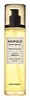
This calming toner is formulated around Propolis Extract and Niacinamide to calm redness and strengthen the skin barrier.
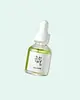
This calming serum is formulated around Panthenol to calm redness and strengthen the skin barrier.

What's inside
What's inside
 Key Ingredients
Benefits
Concerns
No concerns
Ingredients Side-by-side
Propolis Extract 83%
Skin Conditioning




Glycerin
Humectant

1,2-Hexanediol
Skin Conditioning
Propanediol
Solvent
Niacinamide
Smoothing






Dipropylene Glycol
HumectantCentella Asiatica Extract
Cleansing
Portulaca Oleracea Extract
Skin Conditioning
Phellinus Linteus Extract
Skin ConditioningArctium Lappa Root Extract
Skin Conditioning
Scrophularia Buergeriana Extract
Skin ConditioningHoney Extract
Humectant
Saccharomyces Ferment Filtrate
Humectant

Hedera Helix Leaf/Stem Extract
AntimicrobialVanilla Planifolia Fruit Extract
Skin Conditioning
Ocimum Sanctum Leaf Extract
Skin ConditioningCucumis Melo Fruit Extract
Skin ConditioningCamellia Sinensis Leaf Extract
Antimicrobial
Corallina Officinalis Extract
Skin Conditioning

Lactobacillus Ferment Lysate
Skin Conditioning
Vitex Agnus Castus Extract
AstringentChamomilla Recutita Flower Extract
Masking
Adenosine
Skin Conditioning
Melia Azadirachta Leaf Extract
Skin ConditioningMelia Azadirachta Flower Extract
Skin ConditioningPyrus Communis Fruit Extract
Skin ConditioningPanthenol
Skin Conditioning
Curcuma Longa Root Extract
Antioxidant
3-O-Ethyl Ascorbic Acid
Skin Conditioning
Rosa Damascena Flower Water
Masking
Prunus Persica Fruit Extract
Abrasive
Sodium Hyaluronate
Humectant
Cetyl Ethylhexanoate
EmollientJasminum Officinale Flower Water
MaskingDextrin
AbsorbentTheobroma Cacao Extract
Skin ConditioningCaprylic/Capric Triglyceride
Masking
Water
Skin ConditioningVinyldimethicone

Polyglyceryl-4 Caprate
EmulsifyingPolyglyceryl-4 Oleate
Emulsifying
Hydrogenated Lecithin
Emulsifying
Xanthan Gum
EmulsifyingPhytosteryl/Octyldodecyl Lauroyl Glutamate
Skin ConditioningCeramide NP
Skin Conditioning
Beta-Glucan
Skin Conditioning
Propolis Extract 83%, Glycerin, 1,2-Hexanediol, Propanediol, Niacinamide, Dipropylene Glycol, Centella Asiatica Extract, Portulaca Oleracea Extract, Phellinus Linteus Extract, Arctium Lappa Root Extract, Scrophularia Buergeriana Extract, Honey Extract, Saccharomyces Ferment Filtrate, Hedera Helix Leaf/Stem Extract, Vanilla Planifolia Fruit Extract, Ocimum Sanctum Leaf Extract, Cucumis Melo Fruit Extract, Camellia Sinensis Leaf Extract, Corallina Officinalis Extract, Lactobacillus Ferment Lysate, Vitex Agnus Castus Extract, Chamomilla Recutita Flower Extract, Adenosine, Melia Azadirachta Leaf Extract, Melia Azadirachta Flower Extract, Pyrus Communis Fruit Extract, Panthenol, Curcuma Longa Root Extract, 3-O-Ethyl Ascorbic Acid, Rosa Damascena Flower Water, Prunus Persica Fruit Extract, Sodium Hyaluronate, Cetyl Ethylhexanoate, Jasminum Officinale Flower Water, Dextrin, Theobroma Cacao Extract, Caprylic/Capric Triglyceride, Water, Vinyldimethicone, Polyglyceryl-4 Caprate, Polyglyceryl-4 Oleate, Hydrogenated Lecithin, Xanthan Gum, Phytosteryl/Octyldodecyl Lauroyl Glutamate, Ceramide NP, Beta-Glucan
Camellia Sinensis Leaf Water
Masking
Artemisia Capillaris Extract
Panthenol
Skin Conditioning
Glycerin
Humectant
Butylene Glycol
Humectant
Water
Skin ConditioningCeramide AP
Skin Conditioning
1,2-Hexanediol
Skin Conditioning
Methylpropanediol
SolventAcrylates/C10-30 Alkyl Acrylate Crosspolymer
Emulsion StabilisingTromethamine
BufferingCoptis Japonica Root Extract
Skin ConditioningEthylhexylglycerin
Skin ConditioningBetaine
Humectant
Allantoin
Skin Conditioning
Dipotassium Glycyrrhizate
Humectant
Glyceryl Acrylate/Acrylic Acid Copolymer
HumectantPolyquaternium-51
Skin Conditioning
Malt Extract
Skin ProtectingPunica Granatum Extract
AstringentClitoria Ternatea Flower Extract
Skin ConditioningGarcinia Mangostana Peel Extract
Skin ConditioningSodium Hyaluronate
Humectant
Camellia Sinensis Leaf Water, Artemisia Capillaris Extract, Panthenol, Glycerin, Butylene Glycol, Water, Ceramide AP, 1,2-Hexanediol, Methylpropanediol, Acrylates/C10-30 Alkyl Acrylate Crosspolymer, Tromethamine, Coptis Japonica Root Extract, Ethylhexylglycerin, Betaine, Allantoin, Dipotassium Glycyrrhizate, Glyceryl Acrylate/Acrylic Acid Copolymer, Polyquaternium-51, Malt Extract, Punica Granatum Extract, Clitoria Ternatea Flower Extract, Garcinia Mangostana Peel Extract, Sodium Hyaluronate
Reviews
Alternatives
Ingredients Explained
These ingredients are found in both products.
Ingredients higher up in an ingredient list are typically present in a larger amount.
1,2-Hexanediol is a synthetic liquid and another multi-functional powerhouse.
It is a:
- Humectant, drawing moisture into the skin
- Emollient, helping to soften skin
- Solvent, dispersing and stabilizing formulas
- Preservative booster, enhancing the antimicrobial activity of other preservatives
Glycerin (or glycerol) is a compound naturally found in your skin. It's a powerhouse humectant that pulls water into the stratum corneum.
Topically, glycerin does several things at once:
Your skin makes glycerin on its own (mostly from sebaceous oil breakdown) and shuttles it to your outermost layer of skin, or your epidermis, via aquaporin-3.
Aquaporin-3 is a transporter that is essential for normal skin hydration, elasticity, and repair. Interestingly, mice lacking in AQP3 have dry and less elastic skin that can be fully corrected with glycerin.
This ingredient is non-irritating, plays well with almost every ingredient, and works across all skin types. Typical use is anywhere between 3-10% but can go up to 79% in some leave-on products.
Just know very high concentrations (>40%) can feel tacky in low humidity.
Glycerin is the name for this ingredient in American English. British English uses Glycerol/Glycerine.
Learn more about GlycerinPanthenol is a common ingredient that helps hydrate and soothe the skin. It is found naturally in our skin and hair.
There are two forms of panthenol: D and L.
D-panthenol is also known as dexpanthenol. Most cosmetics use dexpanthenol or a mixture of D and L-panthenol.
Panthenol is famous due to its ability to go deeper into the skin's layers. Using this ingredient has numerous pros (and no cons):
Like hyaluronic acid, panthenol is a humectant. Humectants are able to bind and hold large amounts of water to keep skin hydrated.
This ingredient works well for wound healing. It works by increasing tissue in the wound and helps close open wounds.
Once oxidized, panthenol converts to pantothenic acid. Panthothenic acid is found in all living cells.
This ingredient is also referred to as pro-vitamin B5.
Learn more about PanthenolSodium Hyaluronate is the salt form of hyaluronic acid. It is a long sugar chain that is naturally found in your skin, joints, and connective tissue that maintains hydration and elasticity.
In skincare, it works as a humectant. It pulls water from the environment and deeper layers of skin and binds it to the surface.
Interestingly, the size of the molecule affects its behavior:
Some clinical evidence links low molecular weight versions to improved wrinkle depth, elasticity, anti-inflammatory effects, and barrier repair.
Many serums use a blend of both weights so you can get surface hydration plus longer-lasting and deeper effects.
You'll typically see concentrations between 0.1-2% for this ingredient.
Learn more about Sodium HyaluronateWater. It's the most common cosmetic ingredient of all. You'll usually see it at the top of ingredient lists, meaning that it makes up the largest part of the product.
So why is it so popular? Water most often acts as a solvent - this means that it helps dissolve other ingredients into the formulation.
You'll also recognize water as that liquid we all need to stay alive. If you see this, drink a glass of water. Remember to stay hydrated!
Learn more about Water

