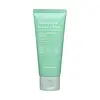
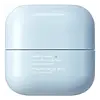
TONYMOLY Houttuynia Cordata Cica Cooling Watery Cream Versus Laneige Water Bank Blue Hyaluronic Gel Moisturizer
This calming moisturizer is formulated around Centella Asiatica Extract and Houttuynia Cordata Extract to calm redness and strengthen the skin barrier.
This barrier-repair moisturizer is formulated around Limnanthes Alba Seed Oil and Ceramide AP to strengthen the skin barrier and hydrate skin.

What's inside
What's inside
 Key Ingredients
Benefits
Concerns
Ingredients Side-by-side
Water
Skin ConditioningPropanediol
Solvent

Glycerin
Humectant
Limnanthes Alba Seed Oil
Skin Conditioning


1,2-Hexanediol
Skin Conditioning
Behenyl Alcohol
Emollient
Betaine
Humectant
Diethoxyethyl Succinate
SolventErythritol
Humectant
Butylene Glycol
Humectant
Centella Asiatica Extract
Cleansing


Arachidyl Alcohol
Emollient
Disodium EDTA
Portulaca Oleracea Extract
Skin Conditioning
Houttuynia Cordata Extract
Skin Conditioning
Pyrus Communis Fruit Extract
Skin ConditioningRosa Damascena Flower Water
Masking
Anthemis Nobilis Flower Oil
Masking


Chamomilla Recutita Flower Extract
Masking
Vitex Agnus Castus Extract
AstringentArachidyl Glucoside
EmulsifyingMelia Azadirachta Leaf Extract
Skin ConditioningAllantoin
Skin Conditioning
Acrylates/C10-30 Alkyl Acrylate Crosspolymer
Emulsion StabilisingTromethamine
BufferingEthylhexylglycerin
Skin ConditioningHydroxyacetophenone
Antioxidant
Prunus Persica Fruit Extract
Abrasive
Thuja Orientalis Extract
AntimicrobialJasminum Officinale Flower Water
MaskingRosmarinus Officinalis Leaf Oil
Masking
Citrus Aurantium Amara Flower Extract
RefreshingMelia Azadirachta Flower Extract
Skin ConditioningPogostemon Cablin Leaf Oil
Masking
Cucumis Melo Fruit Extract
Skin ConditioningHedera Helix Leaf/Stem Extract
AntimicrobialArctium Lappa Root Extract
Skin Conditioning
Phellinus Linteus Extract
Skin ConditioningBacillus Ferment
Skin Conditioning
Centella Asiatica Root Extract
Skin Conditioning
Centella Asiatica Leaf Extract
Skin Conditioning
Ceramide NP
Skin Conditioning
Marrubium Vulgare Extract
Skin ConditioningMelissa Officinalis Leaf Extract
Skin ConditioningMentha Piperita Leaf Extract
Skin ConditioningMentha Suaveolens Leaf Extract
AstringentAsiatic Acid
Skin Conditioning
Asiaticoside
Antioxidant
Madecassic Acid
Skin Conditioning
Madecassoside
Antioxidant
Water, Propanediol, Glycerin, Limnanthes Alba Seed Oil, 1,2-Hexanediol, Behenyl Alcohol, Betaine, Diethoxyethyl Succinate, Erythritol, Butylene Glycol, Centella Asiatica Extract, Arachidyl Alcohol, Disodium EDTA, Portulaca Oleracea Extract, Houttuynia Cordata Extract, Pyrus Communis Fruit Extract, Rosa Damascena Flower Water, Anthemis Nobilis Flower Oil, Chamomilla Recutita Flower Extract, Vitex Agnus Castus Extract, Arachidyl Glucoside, Melia Azadirachta Leaf Extract, Allantoin, Acrylates/C10-30 Alkyl Acrylate Crosspolymer, Tromethamine, Ethylhexylglycerin, Hydroxyacetophenone, Prunus Persica Fruit Extract, Thuja Orientalis Extract, Jasminum Officinale Flower Water, Rosmarinus Officinalis Leaf Oil, Citrus Aurantium Amara Flower Extract, Melia Azadirachta Flower Extract, Pogostemon Cablin Leaf Oil, Cucumis Melo Fruit Extract, Hedera Helix Leaf/Stem Extract, Arctium Lappa Root Extract, Phellinus Linteus Extract, Bacillus Ferment, Centella Asiatica Root Extract, Centella Asiatica Leaf Extract, Ceramide NP, Marrubium Vulgare Extract, Melissa Officinalis Leaf Extract, Mentha Piperita Leaf Extract, Mentha Suaveolens Leaf Extract, Asiatic Acid, Asiaticoside, Madecassic Acid, Madecassoside
Water
Skin ConditioningPropanediol
Solvent
Glycerin
Humectant
Limnanthes Alba Seed Oil
Skin Conditioning
Betaine
Humectant
Behenyl Alcohol
Emollient
Ceramide AP
Skin Conditioning
1,2-Hexanediol
Skin Conditioning
Carbomer
Emulsion StabilisingTromethamine
BufferingJojoba Esters
Emollient
Arachidyl Alcohol
Emollient
Glyceryl Caprylate
EmollientButylene Glycol
Humectant
Ethylhexylglycerin
Skin ConditioningDisodium EDTA
Arachidyl Glucoside
EmulsifyingMentha Arvensis Leaf Extract
MaskingParfum
Masking

Hydrolyzed Hyaluronic Acid
Humectant
Malachite Extract
Antioxidant
Aureobasidium Pullulans Ferment
Skin ConditioningTocopherol
Antioxidant


Undaria Pinnatifida Extract
Skin ConditioningWater, Propanediol, Glycerin, Limnanthes Alba Seed Oil, Betaine, Behenyl Alcohol, Ceramide AP, 1,2-Hexanediol, Carbomer, Tromethamine, Jojoba Esters, Arachidyl Alcohol, Glyceryl Caprylate, Butylene Glycol, Ethylhexylglycerin, Disodium EDTA, Arachidyl Glucoside, Mentha Arvensis Leaf Extract, Parfum, Hydrolyzed Hyaluronic Acid, Malachite Extract, Aureobasidium Pullulans Ferment, Tocopherol, Undaria Pinnatifida Extract
Reviews
Ingredients Explained
These ingredients are found in both products.
Ingredients higher up in an ingredient list are typically present in a larger amount.
1,2-Hexanediol is a synthetic liquid and another multi-functional powerhouse.
It is a:
- Humectant, drawing moisture into the skin
- Emollient, helping to soften skin
- Solvent, dispersing and stabilizing formulas
- Preservative booster, enhancing the antimicrobial activity of other preservatives
Arachidyl Alcohol is a fatty alcohol made from the the arachidic acid found in peanut oil.
Despite having "alcohol" in the name, it is not related to denatured alcohol or ethanol.
This ingredient is a multitasker:
Just be sure to patch this ingredient if you have a peanut allergy (though this ingredient is highly processed and the allergenic proteins are typically removed).
Learn more about Arachidyl AlcoholThis ingredient is a plant-based surfactant and emulsifier. It helps oil and water based ingredients mix evenly to improve formula stability without adding a "greasy" feel.
Behenyl Alcohol is a type of fatty alcohol (these are different from the drying, solvent alcohols).
Fatty Alcohols have hydrating properties and are most often used as an emollient or to thicken a product. They are usually derived from natural fats and oils; behenyl alcohol is derived from the fats of vegetable oils.
Emollients help keep your skin soft and hydrated by creating a film that traps moisture in.
In 2000, Behenyl Alcohol was approved by the US as medicine to reduce the duration of cold sores.
Learn more about Behenyl AlcoholBetaine is a humectant. Like hyaluronic acid, it helps attract and retain moisture in the skin. It’s known for being gentle and for helping the skin maintain balanced hydration.
Betaine is mainly used to improve hydration and support calmer skin. It helps skin cells regulate water balance because it functions as an osmolyte.
Some studies suggest betaine may support making skin tone more even.
Fun fact: Betaine naturally exists in the skin and the body. In cosmetic products, it can be either plant-derived (most commonly from sugar beets) or synthetically produced for consistency and stability.
Betaine is also known as trimethylglycine.
Learn more about BetaineButylene Glycol (or BG) is used within cosmetic products for a few different reasons:
Overall, Butylene Glycol is a safe and well-rounded ingredient that works well with other ingredients.
Though this ingredient works well with most skin types, some people with sensitive skin may experience a reaction such as allergic rashes, closed comedones, or itchiness.
Learn more about Butylene GlycolDisodium EDTA is a chelating agent. It grabs onto and deactivates metal ions that sneak into your products from water, packaging, or air.
This ingredient mainly works behind the scenes and helps with:
On top of that, this ingredient can counteract the effects of hard water by binding to the minerals in it.
One thing worth knowing is that Disodium EDTA has been shown to be a mild penetration enhancer. It can help other ingredients absorb into skin more effectively which can be a double-edged sword (great for actives, but can also make the active too strong if you have sensitive skin).
Clinical patch testing showed no significant skin irritation at typical use concentrations and minimal dermal absorption.
You'll most likely see this ingredient near the end of an ingredient list. It's typically found in concentrations less than 1%.
Learn more about Disodium EDTAEthylhexylglycerin is created from glycerin. It is a multitasker ingredient that:
The CIR Expert Panel found minimal skin absorption or sensitization of any kind in a safety assessment. Though this ingredient is considered well-tolerated, a small number of cases of allergic dermatitis have been published since 2002. Just be sure to patch test if you are unsure.
Industry-reported use ranges from 8% in rinse-off products and 2% in leave-on formulations.
Learn more about EthylhexylglycerinGlycerin (or glycerol) is a compound naturally found in your skin. It's a powerhouse humectant that pulls water into the stratum corneum.
Topically, glycerin does several things at once:
Your skin makes glycerin on its own (mostly from sebaceous oil breakdown) and shuttles it to your outermost layer of skin, or your epidermis, via aquaporin-3.
Aquaporin-3 is a transporter that is essential for normal skin hydration, elasticity, and repair. Interestingly, mice lacking in AQP3 have dry and less elastic skin that can be fully corrected with glycerin.
This ingredient is non-irritating, plays well with almost every ingredient, and works across all skin types. Typical use is anywhere between 3-10% but can go up to 79% in some leave-on products.
Just know very high concentrations (>40%) can feel tacky in low humidity.
Glycerin is the name for this ingredient in American English. British English uses Glycerol/Glycerine.
Learn more about GlycerinLimnanthes Alba Seed Oil is from the seeds of the meadowfoam plant. It is a skin conditioning agent and emollient that sits on top of skin to soften and hydrate it.
Over 98% of the oil is made up of long-chain fatty acids, mostly aachidic acid (61%), docosenoic acid (~16%), and docosadienoic acid (~18%).
This combination is not really found in any other plant oil and is the reason this is one of the most stable botanical oils available.
Some studies show it to be more stable than jojoba oil, helps a product resist going rancid, and can help extend the shelf life of a formula.
It also naturally contains vitamin E and phytosterols that give it a mild antioxidant benefit.
This ingredient is typically used from around 1% to fairly high levels since it's gentle; it's well-tolerated and low on the irritation scale.
Learn more about Limnanthes Alba Seed OilPropanediol is an all-star ingredient. It softens, hydrates, and smooths the skin.
It’s often used to:
Propanediol is not likely to cause sensitivity and considered safe to use. It is derived from corn or petroleum with a clear color and no scent.
Learn more about PropanediolTromethamine (aka THAM) is a synthetic amino acid that shows up in skincare as a helper ingredient.
It functions as a pH adjuster to help neutralize acidic ingredients and set a formula's pH to the right spot.
This matters a lot because a lot of actives (like vitamin C) needs a specific pH to work well and feel comfortable on skin.
Concentration use ranges from 0.1-1.0% depending on the formula.
Learn more about TromethamineWater. It's the most common cosmetic ingredient of all. You'll usually see it at the top of ingredient lists, meaning that it makes up the largest part of the product.
So why is it so popular? Water most often acts as a solvent - this means that it helps dissolve other ingredients into the formulation.
You'll also recognize water as that liquid we all need to stay alive. If you see this, drink a glass of water. Remember to stay hydrated!
Learn more about Water

