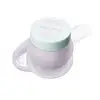
This hydrating lip mask is formulated around Olea Europaea Fruit Oil and Palmitoyl Tripeptide-1 to hydrate lips and soften the look of wrinkles.
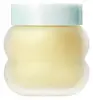
This hydrating lip mask is formulated around Sucrose and Hippophae Rhamnoides Fruit Oil to hydrate lips.

What's inside
What's inside
 Key Ingredients
Benefits
Concerns
Ingredients Side-by-side
Hydrogenated Polyisobutene
EmollientPhytosteryl/Isostearyl/Cetyl/Stearyl/Behenyl Dimer Dilinoleate
Skin Conditioning

Polyglyceryl-2 Triisostearate
Emulsifying
Polyglyceryl-3 Diisostearate
Emulsifying


Microcrystalline Wax
Emulsion StabilisingHydrogenated Poly(C6-14 Olefin)
EmollientOlea Europaea Fruit Oil
Masking


Bis-Behenyl/Isostearyl/Phytosteryl Dimer Dilinoleyl Dimer Dilinoleate
EmollientTocopheryl Acetate
Antioxidant


Polyethylene
Abrasive
Ethylene/Propylene/Styrene Copolymer
Curcuma Longa Root Extract
Antioxidant
Punica Granatum Extract
AstringentSchisandra Chinensis Fruit Extract
Skin Conditioning
Schisandra Chinensis Leaf Extract
Antioxidant
Schisandra Chinensis Flower Extract
Coccinia Indica Fruit Extract
Skin Conditioning
Solanum Melongena Fruit Extract
Skin ConditioningAloe Barbadensis Flower Extract
EmollientCoral Extract
Skin ConditioningWater
Skin ConditioningOcimum Sanctum Leaf Extract
Skin ConditioningLavandula Angustifolia Oil
Masking


Eucalyptus Globulus Leaf Oil
Perfuming
Citrus Aurantium Dulcis Peel Oil
Masking
Elaeis Fruit Oil
Emollient
Simmondsia Chinensis Seed Oil
Emollient

Silica Dimethyl Silylate
EmollientCaprylic/Capric Triglyceride
Masking
Polyhydroxystearic Acid
Emulsifying
Ethylhexyl Palmitate
Emollient
Butylene/Ethylene/Styrene Copolymer
Lecithin
Emollient
Isostearic Acid
Cleansing
Isopropyl Myristate
Emollient
Dimethicone
Emollient
Polyglyceryl-3 Polyricinoleate
Emulsifying
Tribehenin
Emollient
Vanillyl Butyl Ether
MaskingSorbitan Isostearate
Emulsifying
Pentaerythrityl Tetra-Di-T-Butyl Hydroxyhydrocinnamate
Antioxidant
Lactic Acid
Buffering





Collagen
Moisturising
Leuconostoc/Radish Root Ferment Filtrate
Antimicrobial
Palmitoyl Tripeptide-1
Skin Conditioning
Dehydroacetic Acid
Preservative
Linalool
Perfuming
Limonene
Perfuming
Hydrogenated Polyisobutene, Phytosteryl/Isostearyl/Cetyl/Stearyl/Behenyl Dimer Dilinoleate, Polyglyceryl-2 Triisostearate, Polyglyceryl-3 Diisostearate, Microcrystalline Wax, Hydrogenated Poly(C6-14 Olefin), Olea Europaea Fruit Oil, Bis-Behenyl/Isostearyl/Phytosteryl Dimer Dilinoleyl Dimer Dilinoleate, Tocopheryl Acetate, Polyethylene, Ethylene/Propylene/Styrene Copolymer, Curcuma Longa Root Extract, Punica Granatum Extract, Schisandra Chinensis Fruit Extract, Schisandra Chinensis Leaf Extract, Schisandra Chinensis Flower Extract, Coccinia Indica Fruit Extract, Solanum Melongena Fruit Extract, Aloe Barbadensis Flower Extract, Coral Extract, Water, Ocimum Sanctum Leaf Extract, Lavandula Angustifolia Oil, Eucalyptus Globulus Leaf Oil, Citrus Aurantium Dulcis Peel Oil, Elaeis Fruit Oil, Simmondsia Chinensis Seed Oil, Silica Dimethyl Silylate, Caprylic/Capric Triglyceride, Polyhydroxystearic Acid, Ethylhexyl Palmitate, Butylene/Ethylene/Styrene Copolymer, Lecithin, Isostearic Acid, Isopropyl Myristate, Dimethicone, Polyglyceryl-3 Polyricinoleate, Tribehenin, Vanillyl Butyl Ether, Sorbitan Isostearate, Pentaerythrityl Tetra-Di-T-Butyl Hydroxyhydrocinnamate, Lactic Acid, Collagen, Leuconostoc/Radish Root Ferment Filtrate, Palmitoyl Tripeptide-1, Dehydroacetic Acid, Linalool, Limonene
Phytosteryl/Isostearyl/Cetyl/Stearyl/Behenyl Dimer Dilinoleate
Skin Conditioning
Sucrose
Humectant
Diisostearyl Malate
EmollientPentaerythrityl Tetraisostearate
Emollient
Microcrystalline Wax
Emulsion StabilisingHydrogenated Poly(C6-14 Olefin)
EmollientSilica Dimethyl Silylate
EmollientOlea Europaea Fruit Oil
Masking
Bis-Behenyl/Isostearyl/Phytosteryl Dimer Dilinoleyl Dimer Dilinoleate
EmollientPolyethylene
Abrasive
Ethylene/Propylene/Styrene Copolymer
Citrus Limon Peel Oil
Masking
Disteardimonium Hectorite
StabilisingPolyglyceryl-2 Triisostearate
Emulsifying
Sorbitan Sesquioleate
Emulsifying
Propylene Carbonate
SolventTocopheryl Acetate
Antioxidant
Butylene/Ethylene/Styrene Copolymer
Hippophae Rhamnoides Fruit Oil
Skin Protecting
Dehydroacetic Acid
Preservative
Dimethicone
Emollient
Phytosteryl/Isostearyl/Cetyl/Stearyl/Behenyl Dimer Dilinoleate, Sucrose, Diisostearyl Malate, Pentaerythrityl Tetraisostearate, Microcrystalline Wax, Hydrogenated Poly(C6-14 Olefin), Silica Dimethyl Silylate, Olea Europaea Fruit Oil, Bis-Behenyl/Isostearyl/Phytosteryl Dimer Dilinoleyl Dimer Dilinoleate, Polyethylene, Ethylene/Propylene/Styrene Copolymer, Citrus Limon Peel Oil, Disteardimonium Hectorite, Polyglyceryl-2 Triisostearate, Sorbitan Sesquioleate, Propylene Carbonate, Tocopheryl Acetate, Butylene/Ethylene/Styrene Copolymer, Hippophae Rhamnoides Fruit Oil, Dehydroacetic Acid, Dimethicone
Reviews
Ingredients Explained
These ingredients are found in both products.
Ingredients higher up in an ingredient list are typically present in a larger amount.
This ingredient is an emollient and skin conditioning agent.
This ingredient is a high-molecular weight synthetic polymer. It is used to modify the viscosity of a formula, improve slip, and create a more "cushiony" texture.
Due to its large molecular size, this ingredient is not absorbed into the skin.
Dehydroacetic Acid is a synthetic preservative that keeps your products safe from microbes.
As an organic acid, it penetrates microbial cell walls and disrupts cellular metabolism. This makes it effective against bacteria, yeast, and mold.
It is effective at low concentrations (<0.6%). Clinical studies have found it to be non-irritating, non-sensitizing, and non-photosensitizing.
Learn more about Dehydroacetic AcidDimethicone is a type of synthetic silicone created from natural materials such as quartz. It is also known as polydimethylsiloxane.
What it does:
Dimethicone comes in different viscosities:
Depending on the viscosity, dimethicone has different properties.
Ingredients lists don't always show which type is used, so we recommend reaching out to the brand if you have questions about the viscosity.
This ingredient is unlikely to cause irritation because it does not get absorbed into skin. However, people with silicone allergies should be careful about using this ingredient.
Note: Dimethicone may contribute to pilling. This is because it is not oil or water soluble, so pilling may occur when layered with products. When mixed with heavy oils in a formula, the outcome is also quite greasy.
Learn more about DimethiconeThis is a synthetic polymer used to thicken formulas, improve texture, and enhance spreadability.
Due to its large molecule size, this ingredient does not penetrate the skin and is considered well-tolerated.
This ingredient is a synthetic ingredient with emollient and skin conditioner used to make skincare products feel more lightweight on the skin. It helps improve slip and spreadability without feeling greasy.
Because it is high molecular weight and lipophilic (oil loving), it remains on the surface of skin.
Microcrystalline Wax is derived from petroleum through a de-oiling process, then highly refined and purified before use in cosmetics.
In skincare formulations, it is used to improve texture and create a smooth, even consistency. It also helps stabilize products by preventing ingredients from separating.
This ingredient is also known as olive oil. It has been used in skincare for centuries and science largely backs up its reputation as a nourishing emollient.
The main components of olive oil are oleic acid (55-83%), linoleic acid (3.5-20%), and palmitic acid (7-20%). Oleic acid promotes skin regeneration and helps regulate inflammatory responses.
Squalene is also naturally present in olive oil and exhibits moisturizing and antioxidant properties.
The polyphenols in olive oil also show anti-aging promise; one clinical study found a measurable improvement in skin appearance after 30 days of topical serum use.
Just be aware that applying olive oil directly to skin can weaken the barrier and cause redness. One study with volunteers found even people without sensitive skin experienced a significant reduction in stratum corneum integrity and induced mild erythema.
It's best to use this ingredient as part of a carefully crafted formula (instead of putting it on skin directly from the bottle).
Because it has a 0-2 on the comedogenic scale, it is low risk for acne-prone skin. Just remember the overall formulation of a product matters more than a few ingredients with comedogenic ratings.
This ingredient may not be fungal acne safe because of the oleic and palmitic acid content. These fall within the C11-24 fatty acid range that the Malassezia yeast can metabolize to grow.
Overall, olive oil is a well-studied and nourishing skincare ingredient.
Learn more about Olea Europaea Fruit OilThis is a plant-derived ester that functions as a skin conditioner. It's basically a two linoleic acid molecules combined with fatty alcohols.
In practice, it works as a rich emollient that helps reduce moisture loss and give skin a soft appearance.
The phytosterol part of this ingredient brings an added structural bonus: phytosterols are structurally similar to cholesterol so they can fit right into the stratum corneum's lipid matrix to help reinforce the skin barrier.
Due to its molecular structure, this ingredient delivers a cushiony and glossy feeling without being excessively greasy.
It did not produce skin irritation or sensitization in clinical studies, and this ingredient is deemed safe to use in cosmetics at current practices.
Because this ingredient contains C16, C18, and C22 fatty chains, it may not be Malassezia/fungal acne safe. The Malassezia yeast potentially feeds on fatty acids in the C11-C24 range.
Learn more about Phytosteryl/Isostearyl/Cetyl/Stearyl/Behenyl Dimer DilinoleatePolyethylene is a synthetic ingredient that helps the skin retain moisture. It is a polymer.
It is also typically used within product formulations to help bind solid ingredients together and thicken oil-based ingredients. When added to balms and emulsions, it helps increase the melting point temperature.
Polyglyceryl-2 Triisostearate is a plant-derived emulsifier and pigment-dispersing agent with a non-sticky skin feel.
It helps products glide on smoothly and prevents oil and water from separating in a formula, making it suitable for sunscreen and makeup formulations.
The EU inventory of cosmetics has no use restrictions on this ingredient and it is considered well-tolerated.
This ingredient may not be fungal acne safe because it is derived from isostearic acid.
Learn more about Polyglyceryl-2 TriisostearateThis silica is mainly used to thicken oils and suspend particles in oils. It is not water soluble.
According to the manufacturer, it:
The manufacturer also claims this ingredient to be useful in makeup.
In lipstick formulations, this ingredient improves color payoff, reduces pigment settling, and reduces oil bleeding. This ingredient also improves the grip of powder products such as dry shampoos.
Learn more about Silica Dimethyl SilylateTocopheryl Acetate is a stable, shelf-friendly form of vitamin E.
Formulators love it because plain vitamin E oxidizes quickly once it hits air. This acetate version stays stable and resists going off, helping to extend a product's shelf life.
It's actually inactive on its own and works like a slow-release "storage" form; the enzymes in your skin called esterases gradually convert it into active vitamin E over time.
One in vivo study showed 5% of the acetate in the living layer of the epidermis converted to vitamin E after 5 days of application. This study also found the skin gained protection against UV damage even though the conversion was slow and small.
Once converted, vitamin E acts as a skin's main fat-soluble antioxidant that fights free radicals to protect skin from damage.
Topical vitamin E generally boosts the skin's photoprotection, and it reduced UV-damage in animal models.
This ingredient has some brightening potential but it's more of a prevention ingredient than spot-fader. Cell studies show it can slow down melanin production but it's worth noting that it's not the most powerful brightener out there.
Overall, it has a pretty solid safety profile and has been found to be non-irritating and non-comedogenic. Allergic reactions may happen but stay rare due to how widely the ingredient gets used.
The concentration will vary depending on the formula; industry data shows 0.1% in baby lotions, 3% in lipsticks, and 5% in foot powders. You can also find this ingredient at 100% in a pure vitamin E oil.
Most leave-on skincare keeps it at the lower end, often between 0.5-1%.
Learn more about Tocopheryl Acetate

