

What's inside
What's inside
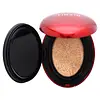 Key Ingredients
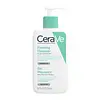
Benefits
Concerns
Ingredients Side-by-side
Water
Skin ConditioningCyclopentasiloxane
Emollient
CI 77891
Cosmetic ColorantTrimethylsiloxysilicate
Emollient
Propanediol
Solvent
Diphenylsiloxy Phenyl Trimethicone
Skin Conditioning
Methyl Trimethicone
Skin Conditioning
Niacinamide
Smoothing










PEG-10 Dimethicone
Skin Conditioning
Dimethicone
Emollient
Isododecane
EmollientCI 77492
Cosmetic ColorantPolyglyceryl-3 Polydimethylsiloxyethyl Dimethicone
Skin Conditioning
PEG/PPG-18/18 Dimethicone
Emulsifying
1,2-Hexanediol
Skin Conditioning
Haematococcus Pluvialis Oil
Antioxidant

Hibiscus Syriacus Flower Extract
Antioxidant
Glycine Soja Extract
Skin ConditioningSnail Extract
Emollient
Rosa Alba Flower Extract
Emollient

Propolis Extract
Skin Conditioning
Octyldodecanol
Emollient
Magnesium Sulfate
Disteardimonium Hectorite
StabilisingAluminum Hydroxide
EmollientStearic Acid
Cleansing

Polyhydroxystearic Acid
Emulsifying
Triethoxycaprylylsilane
Alumina
Abrasive
Polyglyceryl-4 Isostearate
Emulsifying
Neopentyl Glycol Diethylhexanoate
Emollient
Isopropyl Titanium Triisostearate
Emollient
Adenosine
Skin Conditioning
Trisodium Ethylenediamine Disuccinate
Polymethyl Methacrylate
Butylene Glycol
Humectant
Glycerin
Humectant
Dipropylene Glycol
HumectantSodium Palmitoyl Proline
Skin ConditioningCetearyl Dimethicone/Vinyl Dimethicone Crosspolymer
Emollient
Astaxanthin
Skin Conditioning
Potassium Sorbate
Preservative
Parfum
Masking

CI 77491
Cosmetic ColorantCI 77499
Cosmetic ColorantWater, Cyclopentasiloxane, CI 77891, Trimethylsiloxysilicate, Propanediol, Diphenylsiloxy Phenyl Trimethicone, Methyl Trimethicone, Niacinamide, PEG-10 Dimethicone, Dimethicone, Isododecane, CI 77492, Polyglyceryl-3 Polydimethylsiloxyethyl Dimethicone, PEG/PPG-18/18 Dimethicone, 1,2-Hexanediol, Haematococcus Pluvialis Oil, Hibiscus Syriacus Flower Extract, Glycine Soja Extract, Snail Extract, Rosa Alba Flower Extract, Propolis Extract, Octyldodecanol, Magnesium Sulfate, Disteardimonium Hectorite, Aluminum Hydroxide, Stearic Acid, Polyhydroxystearic Acid, Triethoxycaprylylsilane, Alumina, Polyglyceryl-4 Isostearate, Neopentyl Glycol Diethylhexanoate, Isopropyl Titanium Triisostearate, Adenosine, Trisodium Ethylenediamine Disuccinate, Polymethyl Methacrylate, Butylene Glycol, Glycerin, Dipropylene Glycol, Sodium Palmitoyl Proline, Cetearyl Dimethicone/Vinyl Dimethicone Crosspolymer, Astaxanthin, Potassium Sorbate, Parfum, CI 77491, CI 77499
Water
Skin ConditioningCocamidopropyl Hydroxysultaine
CleansingGlycerin
Humectant
Sodium Lauroyl Sarcosinate
CleansingPEG-150 Pentaerythrityl Tetrastearate
Emulsifying
Niacinamide
Smoothing
PEG-6 Caprylic/Capric Glycerides
EmulsifyingSodium Methyl Cocoyl Taurate
Cleansing
Propylene Glycol
Humectant
Ceramide NP
Skin Conditioning
Ceramide AP
Skin Conditioning
Ceramide EOP
Skin Conditioning
Carbomer
Emulsion StabilisingMethylparaben
Preservative

Sodium Chloride
Masking

Sodium Lauroyl Lactylate
EmulsifyingCholesterol
Emollient
Disodium EDTA
Propylparaben
Preservative
Citric Acid
Buffering

Tetrasodium EDTA
Hydrolyzed Hyaluronic Acid
Humectant
Phytosphingosine
Skin Conditioning
Xanthan Gum
EmulsifyingWater, Cocamidopropyl Hydroxysultaine, Glycerin, Sodium Lauroyl Sarcosinate, PEG-150 Pentaerythrityl Tetrastearate, Niacinamide, PEG-6 Caprylic/Capric Glycerides, Sodium Methyl Cocoyl Taurate, Propylene Glycol, Ceramide NP, Ceramide AP, Ceramide EOP, Carbomer, Methylparaben, Sodium Chloride, Sodium Lauroyl Lactylate, Cholesterol, Disodium EDTA, Propylparaben, Citric Acid, Tetrasodium EDTA, Hydrolyzed Hyaluronic Acid, Phytosphingosine, Xanthan Gum
Reviews
Ingredients Explained
These ingredients are found in both products.
Ingredients higher up in an ingredient list are typically present in a larger amount.
Glycerin is already naturally found in your skin. It helps moisturize and protect your skin.
A study from 2016 found glycerin to be more effective as a humectant than AHAs and hyaluronic acid.
As a humectant, it helps the skin stay hydrated by pulling moisture to your skin. The low molecular weight of glycerin allows it to pull moisture into the deeper layers of your skin.
Hydrated skin improves your skin barrier; Your skin barrier helps protect against irritants and bacteria.
Glycerin has also been found to have antimicrobial and antiviral properties. Due to these properties, glycerin is often used in wound and burn treatments.
In cosmetics, glycerin is usually derived from plants such as soybean or palm. However, it can also be sourced from animals, such as tallow or animal fat.
This ingredient is organic, colorless, odorless, and non-toxic.
Glycerin is the name for this ingredient in American English. British English uses Glycerol/Glycerine.
Learn more about GlycerinNiacinamide is a multitasking form of vitamin B3 that strengthens the skin barrier, reduces pores and dark spots, regulates oil, and improves signs of aging.
And the best part? It's gentle and well-tolerated by most skin types, including sensitive and reactive skin.
You might have heard of "niacin flush", or the reddening of skin that causes itchiness. Niacinamide has not been found to cause this.
In very rare cases, some individuals may not be able to tolerate niacinamide at all or experience an allergic reaction to it.
If you are experiencing flaking, irritation, and dryness with this ingredient, be sure to double check all your products as this ingredient can be found in all categories of skincare.
When incorporating niacinamide into your routine, look out for concentration amounts. Typically, 5% niacinamide provides benefits such as fading dark spots. However, if you have sensitive skin, it is better to begin with a smaller concentration.
When you apply niacinamide to your skin, your body converts it into nicotinamide adenine dinucleotide (NAD). NAD is an essential coenzyme that is already found in your cells as "fuel" and powers countless biological processes.
In your skin, NAD helps repair cell damage, produce new healthy cells, support collagen production, strengthen the skin barrier, and fight environmental stressors (like UV and pollution).
Our natural NAD levels start to decline with age, leading to slower skin repair, visible aging, and a weaker skin barrier. By providing your skin niacinamide, you're recharging your skin's NAD levels. This leads to stronger, healthier, and younger looking skin.
Another name for vitamin B3 is nicotinamide. This vitamin is water-soluble and our bodies don't store it. We obtain Vitamin B3 from either food or skincare. Meat, fish, wheat, yeast, and leafy greens contain vitamin B3.
The type of niacinamide used in skincare is synthetically created.
Learn more about NiacinamideWater. It's the most common cosmetic ingredient of all. You'll usually see it at the top of ingredient lists, meaning that it makes up the largest part of the product.
So why is it so popular? Water most often acts as a solvent - this means that it helps dissolve other ingredients into the formulation.
You'll also recognize water as that liquid we all need to stay alive. If you see this, drink a glass of water. Stay hydrated!
Learn more about Water
