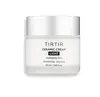
This barrier-repair moisturizer is formulated around Centella Asiatica Extract and Glycyrrhiza Glabra Root Extract to strengthen the skin barrier and calm redness.
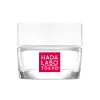
This brightening moisturizer is formulated around Tranexamic Acid and Dipotassium Glycyrrhizate to brighten dull-looking skin and fade the look of dark spots.


What's inside
What's inside
 Key Ingredients
Benefits
Concerns
Ingredients Side-by-side
Water
Skin ConditioningGlycerin
Humectant


Butylene Glycol
Humectant
Dimethicone
Emollient
Propanediol
Solvent
Glyceryl Stearate
Emollient

Caprylic/Capric Triglyceride
Masking
Isononyl Isononanoate
EmollientOctyldodecanol
Emollient
1,2-Hexanediol
Skin Conditioning
Cetearyl Alcohol
Emollient


Limnanthes Alba Seed Oil
Skin Conditioning
PEG-100 Stearate
Surfactant
Synthetic Beeswax
Emulsion Stabilising
Hamamelis Virginiana Extract
Antiseborrhoeic

Sodium Acrylate/Sodium Acryloyldimethyl Taurate Copolymer
Emulsion StabilisingIsohexadecane
EmollientPolysorbate 80
Emulsifying
Cetearyl Glucoside
Emulsifying
Xanthan Gum
EmulsifyingCentella Asiatica Extract
Cleansing



Caprylyl Glycol
Emollient
Camellia Sinensis Leaf Extract
Antimicrobial



Rosmarinus Officinalis Leaf Extract
AntimicrobialChamomilla Recutita Flower Extract
Masking
Glycyrrhiza Glabra Root Extract
Bleaching
Polygonum Cuspidatum Root Extract
Antioxidant
Scutellaria Baicalensis Root Extract
Astringent
Illicium Verum Fruit Extract
Perfuming
Disodium EDTA
ChelatingBetaine
Humectant
Allantoin
Skin Conditioning
Trehalose
Humectant
Polysorbate 20
Emulsifying
Polyglutamic Acid
Skin Conditioning
Xylitol
Humectant
Ceramide NP
Skin Conditioning
Water, Glycerin, Butylene Glycol, Dimethicone, Propanediol, Glyceryl Stearate, Caprylic/Capric Triglyceride, Isononyl Isononanoate, Octyldodecanol, 1,2-Hexanediol, Cetearyl Alcohol, Limnanthes Alba Seed Oil, PEG-100 Stearate, Synthetic Beeswax, Hamamelis Virginiana Extract, Sodium Acrylate/Sodium Acryloyldimethyl Taurate Copolymer, Isohexadecane, Polysorbate 80, Cetearyl Glucoside, Xanthan Gum, Centella Asiatica Extract, Caprylyl Glycol, Camellia Sinensis Leaf Extract, Rosmarinus Officinalis Leaf Extract, Chamomilla Recutita Flower Extract, Glycyrrhiza Glabra Root Extract, Polygonum Cuspidatum Root Extract, Scutellaria Baicalensis Root Extract, Illicium Verum Fruit Extract, Disodium EDTA, Betaine, Allantoin, Trehalose, Polysorbate 20, Polyglutamic Acid, Xylitol, Ceramide NP
Water
Skin ConditioningDipropylene Glycol
HumectantHydrogenated Poly(C6-12 Olefin)
Skin ConditioningPentylene Glycol
Skin Conditioning
Diglycerin
Humectant
Tranexamic Acid
Astringent
Butyrospermum Parkii Butter
Skin Conditioning
Sodium Hyaluronate
Humectant
Hydrolyzed Hyaluronic Acid
Humectant
Caprylic/Capric Triglyceride
Masking
Dipotassium Glycyrrhizate
Humectant
Limnanthes Alba Seed Oil
Skin Conditioning
Dimethicone
Emollient
Octadecyl Di-T-Butyl-4-Hydroxyhydrocinnamate
Antioxidant
Glyceryl Stearate
Emollient
PEG-20 Sorbitan Isostearate
Emulsifying
Carbomer
Emulsion StabilisingTocopherol
Antioxidant
Stearyl Alcohol
Emollient
Disodium EDTA
ChelatingHydroxyethylcellulose
Emulsion StabilisingBehenyl Alcohol
Emollient
Phenoxyethanol
Preservative
Water, Dipropylene Glycol, Hydrogenated Poly(C6-12 Olefin), Pentylene Glycol, Diglycerin, Tranexamic Acid, Butyrospermum Parkii Butter, Sodium Hyaluronate, Hydrolyzed Hyaluronic Acid, Caprylic/Capric Triglyceride, Dipotassium Glycyrrhizate, Limnanthes Alba Seed Oil, Dimethicone, Octadecyl Di-T-Butyl-4-Hydroxyhydrocinnamate, Glyceryl Stearate, PEG-20 Sorbitan Isostearate, Carbomer, Tocopherol, Stearyl Alcohol, Disodium EDTA, Hydroxyethylcellulose, Behenyl Alcohol, Phenoxyethanol
Reviews
Ingredients Explained
These ingredients are found in both products.
Ingredients higher up in an ingredient list are typically present in a larger amount.
Caprylic/Capric Triglyceride (aka MCT Oil) is a lightweight emollient, solvent, and texture enhancer. It is considered a skin-softener by helping to prevent moisture loss.
Though it behaves like an oil, it is not technically one due to its chemical composition. One perk of this ingredient is that it is very stable, resistant to oxidation, and unlikely to go rancid.
In practice, that translates to a long shelf life and a consistently elegant skin feel.
While there is an assumption Caprylic Triglyceride can clog pores due to it being derived from coconut oil, there is no research supporting this. Just patch test if you have concerns.
Fractionated coconut oil and MCT Oil are both listed as Caprylic/Capric Triglyceride according to INCI. This is because INCI names are based on the ingredient’s final chemical composition and not its marketing name or source.
This ingredient is treated as the gold standard fungal acne safe oil. Even though it is coconut derived, the problematic lauric acid is stripped out.
This leaves just caprylic (C8) and capric (C10) acid. These chain lengths actually trend antifungal; a 2020 study found caprylic acid was enough to disrupt Malassezia furfur cell membrane, with a caprylic acid derivative damaging membrane structures at concentrations as low as 0.2%.
Learn more about Caprylic/Capric TriglycerideDimethicone is a type of synthetic silicone created from natural materials such as quartz. It is also known as polydimethylsiloxane.
What it does:
Dimethicone comes in different viscosities:
Depending on the viscosity, dimethicone has different properties.
Ingredients lists don't always show which type is used, so we recommend reaching out to the brand if you have questions about the viscosity.
This ingredient is unlikely to cause irritation because it does not get absorbed into skin. However, people with silicone allergies should be careful about using this ingredient.
Note: Dimethicone may contribute to pilling. This is because it is not oil or water soluble, so pilling may occur when layered with products. When mixed with heavy oils in a formula, the outcome is also quite greasy.
Learn more about DimethiconeDisodium EDTA is a chelating agent. It grabs onto and deactivates metal ions that sneak into your products from water, packaging, or air.
This ingredient mainly works behind the scenes and helps with:
On top of that, this ingredient can counteract the effects of hard water by binding to the minerals in it.
One thing worth knowing is that Disodium EDTA has been shown to be a mild penetration enhancer. It can help other ingredients absorb into skin more effectively which can be a double-edged sword (great for actives, but can also make the active too strong if you have sensitive skin).
Clinical patch testing showed no significant skin irritation at typical use concentrations and minimal dermal absorption.
You'll most likely see this ingredient near the end of an ingredient list. It's typically found in concentrations less than 1%.
Learn more about Disodium EDTAGlyceryl Stearate is made by reacting glycerin with stearic acid (typically sourced from plant oils like palm or coconut). It's an emulsifier, emollient, and mild occlusive.
Emulsifiers help ingredients like oil and water stay mixed so your formula stays nicely blended and uniform in texture.
This ingredient is typically used in concentrations between 1-10%. Studies have found it to be non-sensitizing, non-phototoxic, and non-photoallergenic.
A close cousin of this ingredient is Glyceryl Stearate SE ("self-emulsifying"). This just has a small amount of sodium or potassium stearate added so it can emulsify without a co-emulsifier.
Since this ingredient is an ester of a C18 fatty acid, it may not be fungal acne safe. The Malassezia yeast can potentially metabolize within the C11-C24 range.
Fun fact: The human body also creates Glyceryl Stearate naturally.
Learn more about Glyceryl StearateLimnanthes Alba Seed Oil is from the seeds of the meadowfoam plant. It is a skin conditioning agent and emollient that sits on top of skin to soften and hydrate it.
Over 98% of the oil is made up of long-chain fatty acids, mostly aachidic acid (61%), docosenoic acid (~16%), and docosadienoic acid (~18%).
This combination is not really found in any other plant oil and is the reason this is one of the most stable botanical oils available.
Some studies show it to be more stable than jojoba oil, helps a product resist going rancid, and can help extend the shelf life of a formula.
It also naturally contains vitamin E and phytosterols that give it a mild antioxidant benefit.
This ingredient is typically used from around 1% to fairly high levels since it's gentle; it's well-tolerated and low on the irritation scale.
Learn more about Limnanthes Alba Seed OilWater. It's the most common cosmetic ingredient of all. You'll usually see it at the top of ingredient lists, meaning that it makes up the largest part of the product.
So why is it so popular? Water most often acts as a solvent - this means that it helps dissolve other ingredients into the formulation.
You'll also recognize water as that liquid we all need to stay alive. If you see this, drink a glass of water. Remember to stay hydrated!
Learn more about Water

