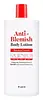
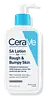
This smoothing moisturizer is formulated around Salicylic Acid and Ceramide NP to refine skin texture and strengthen the skin barrier.


What's inside
What's inside
 Key Ingredients
Benefits
Concerns
Ingredients Side-by-side
Water
Skin ConditioningNiacinamide
Smoothing











Propanediol
Solvent
Alcohol Denat.
Antimicrobial




Cetyl Ethylhexanoate
EmollientCalamine
AbsorbentDimethicone
Emollient
Glyceryl Stearate
Emollient
PEG-100 Stearate
Surfactant
Polysorbate 60
Emulsifying
Cetearyl Alcohol
Emollient



Arachidyl Alcohol
Emollient
Behenyl Alcohol
Emollient
Arachidyl Glucoside
EmulsifyingSorbitan Stearate
Emulsifying
Allantoin
Skin Conditioning
Salicylic Acid
Masking

Lactic Acid
Buffering
Zinc PCA
Humectant
Bisabolol
Antioxidant
Melaleuca Alternifolia Leaf Oil
Antioxidant


Citrus Species Leaf Oil
Perfuming
Methylpropanediol
SolventLaurylpyridinium Chloride
AntimicrobialPolyacrylate-13
Polyisobutene
Polysorbate 20
Emulsifying
Tocopheryl Acetate
Antioxidant
PEG-60 Hydrogenated Castor Oil
Emulsifying
Water, Niacinamide, Propanediol, Alcohol Denat., Cetyl Ethylhexanoate, Calamine, Dimethicone, Glyceryl Stearate, PEG-100 Stearate, Polysorbate 60, Cetearyl Alcohol, Arachidyl Alcohol, Behenyl Alcohol, Arachidyl Glucoside, Sorbitan Stearate, Allantoin, Salicylic Acid, Lactic Acid, Zinc PCA, Bisabolol, Melaleuca Alternifolia Leaf Oil, Citrus Species Leaf Oil, Methylpropanediol, Laurylpyridinium Chloride, Polyacrylate-13, Polyisobutene, Polysorbate 20, Tocopheryl Acetate, PEG-60 Hydrogenated Castor Oil
Salicylic Acid
Masking
Water
Skin ConditioningGlycerin
Humectant
Paraffinum Liquidum
Emollient
Triethanolamine
BufferingGlyceryl Stearate
Emollient
Ammonium Lactate
Buffering
PEG-100 Stearate
Surfactant
Cetearyl Alcohol
Emollient
Cetyl Alcohol
Emollient
Zea Mays Oil
Emulsifying
Ceramide NP
Skin Conditioning
Ceramide AP
Skin Conditioning
Ceramide EOP
Skin Conditioning
Carbomer
Emulsion StabilisingBehentrimonium Methosulfate
SurfactantDimethicone
Emollient
Methylparaben
Preservative

Sodium Lauroyl Lactylate
EmulsifyingCholecalciferol
Cholesterol
Emollient
Disodium EDTA
ChelatingPropylparaben
Preservative
Hydrolyzed Hyaluronic Acid
Humectant
Phytosphingosine
Skin Conditioning
Xanthan Gum
EmulsifyingSalicylic Acid, Water, Glycerin, Paraffinum Liquidum, Triethanolamine, Glyceryl Stearate, Ammonium Lactate, PEG-100 Stearate, Cetearyl Alcohol, Cetyl Alcohol, Zea Mays Oil, Ceramide NP, Ceramide AP, Ceramide EOP, Carbomer, Behentrimonium Methosulfate, Dimethicone, Methylparaben, Sodium Lauroyl Lactylate, Cholecalciferol, Cholesterol, Disodium EDTA, Propylparaben, Hydrolyzed Hyaluronic Acid, Phytosphingosine, Xanthan Gum
Reviews
Ingredients Explained
These ingredients are found in both products.
Ingredients higher up in an ingredient list are typically present in a larger amount.
Cetearyl alcohol is a waxy mixture of two fatty alcohols: cetyl alcohol and stearyl alcohol. It is an emollient and emulsifier.
Despite having "alcohol" in its name, it has nothing to do with drying solvent alcohols; the FDA also allows "alcohol-free" products to contain fatty alcohols like this ingredient.
It plays several roles in a formula:
Typical use levels for this ingredient sit around 1-10% and the Cosmetic Ingredient Review Expert Panel has affirmed safety at concentrations up to 25% in leave-on products.
Multiple assessments have found it to be non-irritating and non-sensitizing to most people.
However, there have been some cases of allergic contact dermatitis in patients with chronically compromised skin barriers.
Cetearyl alcohol has a comedogenic rating of 2 and irritancy rating of 1. Both of these numbers come from the 1989 study that used rabbit ears; a "2" means mildly comedogenic and a "1" means low irritancy.
Here's the catch: rabbit skin is more sensitive than human skin and throws a lot of false positives. A 1996 reappraisal found that ingredients rated 1-2 in the rabbit ear tests are generally safe for humans.
Remember comedogenic ratings are unable to assess the entire formula of a product or how it will react on your skin. Just be sure to patch test if you are unsure about certain ingredients.
This ingredient is not fungal acne safe. Cetearyl alcohol is a fatty alcohol with chain lengths that fall within the range that Malassezia can metabolize.
A 2019 study has also observed Malassezia growth in the presence of this ingredient, confirming it to be not-fungal acne safe.
Learn more about Cetearyl AlcoholDimethicone is a type of synthetic silicone created from natural materials such as quartz. It is also known as polydimethylsiloxane.
What it does:
Dimethicone comes in different viscosities:
Depending on the viscosity, dimethicone has different properties.
Ingredients lists don't always show which type is used, so we recommend reaching out to the brand if you have questions about the viscosity.
This ingredient is unlikely to cause irritation because it does not get absorbed into skin. However, people with silicone allergies should be careful about using this ingredient.
Note: Dimethicone may contribute to pilling. This is because it is not oil or water soluble, so pilling may occur when layered with products. When mixed with heavy oils in a formula, the outcome is also quite greasy.
Learn more about DimethiconeGlyceryl Stearate is made by reacting glycerin with stearic acid (typically sourced from plant oils like palm or coconut). It's an emulsifier, emollient, and mild occlusive.
Emulsifiers help ingredients like oil and water stay mixed so your formula stays nicely blended and uniform in texture.
This ingredient is typically used in concentrations between 1-10%. Studies have found it to be non-sensitizing, non-phototoxic, and non-photoallergenic.
A close cousin of this ingredient is Glyceryl Stearate SE ("self-emulsifying"). This just has a small amount of sodium or potassium stearate added so it can emulsify without a co-emulsifier.
Since this ingredient is an ester of a C18 fatty acid, it may not be fungal acne safe. The Malassezia yeast can potentially metabolize within the C11-C24 range.
Fun fact: The human body also creates Glyceryl Stearate naturally.
Learn more about Glyceryl StearatePeg-100 Stearate is an emollient and emulsifier. As an emollient, it helps keep skin soft by trapping moisture in. On the other hand, emulsifiers help prevent oil and water from separating in a product.
PEGS are a hydrophilic polyether compound . There are 100 ethylene oxide monomers in Peg-100 Stearate. Peg-100 Stearate is polyethylene glycol ester of stearic acid.
Salicylic Acid (also known as beta hydroxy acid or BHA) is a well-known ingredient for treating skin that struggles with acne and clogged pores. It exfoliates both the skin's surface and deep within the pores to help clear out buildup, control oil, and reduce inflammation.
Unlike AHAs (alpha hydroxy acids), salicylic acid is oil-soluble. This allows it to penetrate into pores which makes it especially effective for treating blackheads and preventing future breakouts.
Salicylic acid is also known for its soothing properties. It has a similar structure to aspirin and can calm inflamed or irritated skin, making it a good option for acne-prone skin that is also sensitive.
Concentrations of 0.5-2% are recognized by the U.S. FDA as an over-the-counter topical acne product.
It can cause irritation and/or dryness if one's skin already has a compromised moisture barrier, so it's best to focus on repairing that before introducing this ingredient into your routine.
While salicylic acid does not increase sun sensitivity, it’s still important to wear sunscreen daily to protect your skin.
If you are looking for the ingredient called BHA or Butylated Hydroxyanisole, click here.
Learn more about Salicylic AcidWater. It's the most common cosmetic ingredient of all. You'll usually see it at the top of ingredient lists, meaning that it makes up the largest part of the product.
So why is it so popular? Water most often acts as a solvent - this means that it helps dissolve other ingredients into the formulation.
You'll also recognize water as that liquid we all need to stay alive. If you see this, drink a glass of water. Remember to stay hydrated!
Learn more about Water

