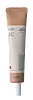
This eye moisturizer is formulated around Honey Extract to hydrate skin.
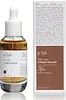
This anti-aging ampoule is formulated around Portulaca Oleracea Extract and Adenosine to soften the look of wrinkles and hydrate skin.

What's inside
What's inside
 Key Ingredients
Benefits
Concerns
Ingredients Side-by-side
Rose Extract 36%
Skin ConditioningHoney Extract 10%
Humectant
Glycerin
Humectant

Cetyl Ethylhexanoate
EmollientTrimethylolpropane Tricaprylate/Tricaprate
EmollientDimethicone
Emollient
Cyclomethicone
Emollient
Macadamia Integrifolia Seed Oil
Skin Conditioning


Brassica Campestris Sterols
EmollientPEG-5 Rapeseed Sterol
Cleansing
Cholesterol
Emollient
1,2-Hexanediol
Skin Conditioning
Niacinamide
Smoothing









Butylene Glycol
Humectant
Ceteth-3
EmulsifyingCeteth-5
EmulsifyingButyrospermum Parkii Butter
Skin Conditioning


Argania Spinosa Kernel Oil
Emollient
Mauritia Flexuosa Fruit Oil
Skin Conditioning
Hydrogenated Lecithin
Emulsifying
Sodium Hyaluronate
Humectant
Polyglutamic Acid
Skin Conditioning
Ceramide NP
Skin Conditioning
Stearic Acid
Cleansing
Simmondsia Chinensis Seed Oil
Emollient
Tocopheryl Acetate
Antioxidant

Oleic Acid
Emollient
Adenosine
Skin Conditioning
Propolis Extract
Skin Conditioning
Royal Jelly Extract
Skin Conditioning
Rosa Damascena Callus Culture Extract
Antioxidant
Rosa Damascena Phytoplacenta Culture Extract
Antioxidant
Disodium EDTA
ChelatingTocopherol
Antioxidant
Rose Flower Oil
Masking

Glycyrrhiza Glabra Root Extract
Bleaching
Diospyros Kaki Leaf Extract
Skin Protecting
Morus Alba Bark Extract
Skin ConditioningOpuntia Coccinellifera Fruit Extract
Skin ConditioningWater
Skin ConditioningEthylhexylglycerin
Skin ConditioningRh-Polypeptide-64
Skin Conditioning
Rose Extract 36%, Honey Extract 10%, Glycerin, Cetyl Ethylhexanoate, Trimethylolpropane Tricaprylate/Tricaprate, Dimethicone, Cyclomethicone, Macadamia Integrifolia Seed Oil, Brassica Campestris Sterols, PEG-5 Rapeseed Sterol, Cholesterol, 1,2-Hexanediol, Niacinamide, Butylene Glycol, Ceteth-3, Ceteth-5, Butyrospermum Parkii Butter, Argania Spinosa Kernel Oil, Mauritia Flexuosa Fruit Oil, Hydrogenated Lecithin, Sodium Hyaluronate, Polyglutamic Acid, Ceramide NP, Stearic Acid, Simmondsia Chinensis Seed Oil, Tocopheryl Acetate, Oleic Acid, Adenosine, Propolis Extract, Royal Jelly Extract, Rosa Damascena Callus Culture Extract, Rosa Damascena Phytoplacenta Culture Extract, Disodium EDTA, Tocopherol, Rose Flower Oil, Glycyrrhiza Glabra Root Extract, Diospyros Kaki Leaf Extract, Morus Alba Bark Extract, Opuntia Coccinellifera Fruit Extract, Water, Ethylhexylglycerin, Rh-Polypeptide-64
Portulaca Oleracea Extract 76%
Skin Conditioning
Butylene Glycol
Humectant
1,2-Hexanediol
Skin Conditioning
Water
Skin ConditioningGlycerin
Humectant
Tremella Fuciformis Extract
Humectant
Sodium Hyaluronate
Humectant
Beta-Glucan
Skin Conditioning
Artemisia Tridentata Extract
Skin ConditioningMusa Sapientum Fruit Extract
Skin ConditioningDipotassium Glycyrrhizate
Humectant
Diospyros Kaki Leaf Extract
Skin Protecting
Panthenol
Skin Conditioning
Centella Asiatica Extract
Cleansing
Terminalia Ferdinandiana Fruit Extract
Antioxidant
Aloe Barbadensis Leaf Extract
Emollient
Allantoin
Skin Conditioning
Acetyl Glutamine
Skin ConditioningSodium Polyacrylate
Absorbent
PPG-26-Buteth-26
Skin ConditioningC13-14 Isoparaffin
Emollient
Dextrin
AbsorbentPEG-40 Hydrogenated Castor Oil
Emulsifying
Ethylhexylglycerin
Skin ConditioningAdenosine
Skin Conditioning
Caramel
Cosmetic ColorantDisodium EDTA
ChelatingLaureth-7
EmulsifyingEthyl Hexanediol
SolventMacadamia Integrifolia Seed Oil
Skin Conditioning
Retinyl Palmitate
Skin Conditioning
Palmitoyl Tripeptide-5
Skin Conditioning
Pantolactone
Humectant
Polyacrylamide
Hydrogenated Lecithin
Emulsifying
PEG-5 Soy Sterol
EmulsifyingCholesterol
Emollient
PEG-10 Rapeseed Sterol
CleansingTromethamine
BufferingCarbomer
Emulsion StabilisingCeteth-5
EmulsifyingCeteth-3
EmulsifyingTocopheryl Acetate
Antioxidant
Silica
Abrasive
Sodium Ascorbyl Phosphate
Antioxidant
Sodium Stearoyl Glutamate
CleansingPortulaca Oleracea Extract 76%, Butylene Glycol, 1,2-Hexanediol, Water, Glycerin, Tremella Fuciformis Extract, Sodium Hyaluronate, Beta-Glucan, Artemisia Tridentata Extract, Musa Sapientum Fruit Extract, Dipotassium Glycyrrhizate, Diospyros Kaki Leaf Extract, Panthenol, Centella Asiatica Extract, Terminalia Ferdinandiana Fruit Extract, Aloe Barbadensis Leaf Extract, Allantoin, Acetyl Glutamine, Sodium Polyacrylate, PPG-26-Buteth-26, C13-14 Isoparaffin, Dextrin, PEG-40 Hydrogenated Castor Oil, Ethylhexylglycerin, Adenosine, Caramel, Disodium EDTA, Laureth-7, Ethyl Hexanediol, Macadamia Integrifolia Seed Oil, Retinyl Palmitate, Palmitoyl Tripeptide-5, Pantolactone, Polyacrylamide, Hydrogenated Lecithin, PEG-5 Soy Sterol, Cholesterol, PEG-10 Rapeseed Sterol, Tromethamine, Carbomer, Ceteth-5, Ceteth-3, Tocopheryl Acetate, Silica, Sodium Ascorbyl Phosphate, Sodium Stearoyl Glutamate
Ingredients Explained
These ingredients are found in both products.
Ingredients higher up in an ingredient list are typically present in a larger amount.
1,2-Hexanediol is a synthetic liquid and another multi-functional powerhouse.
It is a:
- Humectant, drawing moisture into the skin
- Emollient, helping to soften skin
- Solvent, dispersing and stabilizing formulas
- Preservative booster, enhancing the antimicrobial activity of other preservatives
Adenosine is a purine nucleoside that your body already makes in every cell. In skincare, it acts mainly as a skin conditioning and anti-aging agent.
The way it works is fairly well mapped out:
Your skin has cells called fibroblasts that build collagen (the stuff that keeps skin firm and smooth). Adenosine basically flips a switch on these cells that tells them to get to work making more collagen and other proteins. These cells slow down on their own as skin ages, so Adenosine helps give them a little nudge to keep going.
The clinical backing is pretty solid too.
A blind, randomized, placebo-controlled trial of 126 women aged 45-65 tested a 0.1% cream twice daily and found real improvements in crow's feet and frown lines using a precise 3D skin-mapping technique; these changes showed up by week 3 and held at 2 months.
A later study using Adenosine-loaded dissolving microneedle patches reported gains in wrinkle depth, dermal density, elasticity, and hydration.
On concentrations, South Korea's Ministry of Food and Drug Safety has set 0.04% as the approved functional anti-wrinkle level. You'll typically see this ingredient used somewhere in the 0.04-0.1% range since it works at low doses.
This ingredient has been found safe for cosmetics with the data showing no irritation or sensitization.
Overall, this is a great ingredient for any anti-aging routine and has no photosensitizing effect, so it suits both AM and PM use.
Learn more about AdenosineButylene Glycol (or BG) is used within cosmetic products for a few different reasons:
Overall, Butylene Glycol is a safe and well-rounded ingredient that works well with other ingredients.
Though this ingredient works well with most skin types, some people with sensitive skin may experience a reaction such as allergic rashes, closed comedones, or itchiness.
Learn more about Butylene GlycolWe don't have a description for Ceteth-3 yet.
We don't have a description for Ceteth-5 yet.
Cholesterol is a lipid that is naturally found in human skin and is one of the three key components of your skin barrier. In skincare, it is an emollient and barrier-repairing ingredient.
It works by fitting directly into the lipid layers of skin to help restore structure and reduce transepidermal water loss (TEWL).
This is a great ingredient for dry, compromised, or aging skin; our skin starts to produce less cholesterol with age.
Research shows cholesterol works best in combination with ceramides and fatty acids, the other two major components in your skin barrier.
Cholesterol is also a well-establish penetration enhancer and can help other actives absorb more effectively.
Cosmetic-grade cholesterol is usually derived from lanolin but plant and synthetic options also exist. We recommend reaching out to the brand if you have questions about their source of cholesterol.
Learn more about CholesterolDiospyros Kaki Leaf Extract comes from the leaves of the Persimmon. It is native to China, India, and Korea. Persimmon leaves have anti-inflammatory and antioxidant properties.
The leaves of the persimmon tree contain triterpenoids, tannins, and ursolic acids. These components are help sooth the skin due to their antioxidant activity.
Disodium EDTA is a chelating agent. It grabs onto and deactivates metal ions that sneak into your products from water, packaging, or air.
This ingredient mainly works behind the scenes and helps with:
On top of that, this ingredient can counteract the effects of hard water by binding to the minerals in it.
One thing worth knowing is that Disodium EDTA has been shown to be a mild penetration enhancer. It can help other ingredients absorb into skin more effectively which can be a double-edged sword (great for actives, but can also make the active too strong if you have sensitive skin).
Clinical patch testing showed no significant skin irritation at typical use concentrations and minimal dermal absorption.
You'll most likely see this ingredient near the end of an ingredient list. It's typically found in concentrations less than 1%.
Learn more about Disodium EDTAEthylhexylglycerin is created from glycerin. It is a multitasker ingredient that:
The CIR Expert Panel found minimal skin absorption or sensitization of any kind in a safety assessment. Though this ingredient is considered well-tolerated, a small number of cases of allergic dermatitis have been published since 2002. Just be sure to patch test if you are unsure.
Industry-reported use ranges from 8% in rinse-off products and 2% in leave-on formulations.
Learn more about EthylhexylglycerinGlycerin (or glycerol) is a compound naturally found in your skin. It's a powerhouse humectant that pulls water into the stratum corneum.
Topically, glycerin does several things at once:
Your skin makes glycerin on its own (mostly from sebaceous oil breakdown) and shuttles it to your outermost layer of skin, or your epidermis, via aquaporin-3.
Aquaporin-3 is a transporter that is essential for normal skin hydration, elasticity, and repair. Interestingly, mice lacking in AQP3 have dry and less elastic skin that can be fully corrected with glycerin.
This ingredient is non-irritating, plays well with almost every ingredient, and works across all skin types. Typical use is anywhere between 3-10% but can go up to 79% in some leave-on products.
Just know very high concentrations (>40%) can feel tacky in low humidity.
Glycerin is the name for this ingredient in American English. British English uses Glycerol/Glycerine.
Learn more about GlycerinHydrogenated Lecithin is a more stable version of lecithin.
It's made by taking lecithin (a phospholipid commonly found in soybeans and egg yolks) and hydrogenating it. This just means the unsaturated fatty acids are turned into saturated ones so they don't go bad as easily.
This ingredient is an emollient, emulsifier, and penetration enhancer. As an emollient, it helps soften and hydrate skin by trapping moisture within. As an emulsifier, it prevents oil and water ingredients from separating.
Hydrogenated Lecithin can form tiny spherical structures made of phospholipid bilayers called liposomes. These liposomes are able to capture compounds inside their structure and deliver them through the skin barrier.
Because phospholipids are a natural component of our cell membranes, this ingredient is inherently compatible with skin.
A 2021 study found lecithin-based surfactants were less harsh and more tolerable comared to Sodium Lauryl Sulfate (SLS).
Learn more about Hydrogenated LecithinThis ingredient is also known as Macadamia Seed Oil. It's an emollient with a fatty acid profile that closely mirrors the skin's own lipid makeup.
The palmitoleic acid content is especially notable as it's somewhat rare in plant oils. Palmitoleic acid is something your skin already makes naturally. It helps keep cell membranes structured and plays a role in fighting off harmful microbes.
This palmitoleic content is also part of why macademia seed oil absorbs quickly and doesn't leave much of a greasy residue.
It also contains oleic acid, linoleic acid, and phytosterols that can help reduce redness.
In vitro research has shown the oil to have meaningful antioxidant activity, protect fats in the skin from oxidative damage, and slow down the enzyme that breaks down hyaluronic acid.
A 2024 clinical study found it effective at improving skin hydratino and reducing wrinkle appearance when formulated into nanoemulsions.
Because it carries oleic acid (C18) and palmitic acid (C16), this ingredient may not be fungal acne safe. This is because the Malassezia yeast metabolizes in the C11-24 chain length range.
You'll also see this ingredient listed as: Macadamia Ternifolia Seed Oil.
This is the same ingredient; M. ternifolia is an older INCI naming convention for the edible macadamia nut, while M. integrifolia is the species actually cultivated for oil production. Both names refer to the same oil.
Learn more about Macadamia Integrifolia Seed OilSodium Hyaluronate is the salt form of hyaluronic acid. It is a long sugar chain that is naturally found in your skin, joints, and connective tissue that maintains hydration and elasticity.
In skincare, it works as a humectant. It pulls water from the environment and deeper layers of skin and binds it to the surface.
Interestingly, the size of the molecule affects its behavior:
Some clinical evidence links low molecular weight versions to improved wrinkle depth, elasticity, anti-inflammatory effects, and barrier repair.
Many serums use a blend of both weights so you can get surface hydration plus longer-lasting and deeper effects.
You'll typically see concentrations between 0.1-2% for this ingredient.
Learn more about Sodium HyaluronateTocopheryl Acetate is a stable, shelf-friendly form of vitamin E.
Formulators love it because plain vitamin E oxidizes quickly once it hits air. This acetate version stays stable and resists going off, helping to extend a product's shelf life.
It's actually inactive on its own and works like a slow-release "storage" form; the enzymes in your skin called esterases gradually convert it into active vitamin E over time.
One in vivo study showed 5% of the acetate in the living layer of the epidermis converted to vitamin E after 5 days of application. This study also found the skin gained protection against UV damage even though the conversion was slow and small.
Once converted, vitamin E acts as a skin's main fat-soluble antioxidant that fights free radicals to protect skin from damage.
Topical vitamin E generally boosts the skin's photoprotection, and it reduced UV-damage in animal models.
This ingredient has some brightening potential but it's more of a prevention ingredient than spot-fader. Cell studies show it can slow down melanin production but it's worth noting that it's not the most powerful brightener out there.
Overall, it has a pretty solid safety profile and has been found to be non-irritating and non-comedogenic. Allergic reactions may happen but stay rare due to how widely the ingredient gets used.
The concentration will vary depending on the formula; industry data shows 0.1% in baby lotions, 3% in lipsticks, and 5% in foot powders. You can also find this ingredient at 100% in a pure vitamin E oil.
Most leave-on skincare keeps it at the lower end, often between 0.5-1%.
Learn more about Tocopheryl AcetateWater. It's the most common cosmetic ingredient of all. You'll usually see it at the top of ingredient lists, meaning that it makes up the largest part of the product.
So why is it so popular? Water most often acts as a solvent - this means that it helps dissolve other ingredients into the formulation.
You'll also recognize water as that liquid we all need to stay alive. If you see this, drink a glass of water. Remember to stay hydrated!
Learn more about Water

