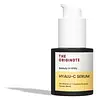
This hydrating serum is formulated around Niacinamide and Sodium Hyaluronate to hydrate skin and brighten dull-looking skin.


What's inside
What's inside
 Key Ingredients
Benefits
Concerns
Ingredients Side-by-side
Water
Skin ConditioningGlycerin
Humectant


Butylene Glycol
Humectant
Niacinamide
Smoothing









Glycereth-26
Humectant
Jasminum Sambac Flower Water
Perfuming
Hydrogenated Castor Oil
Emollient


Bellis Perennis Extract
Skin ConditioningHydroxyacetophenone
Antioxidant
1,2-Hexanediol
Skin Conditioning
PEG/PPG-17/6 Copolymer
SolventMethylpropanediol
SolventHydroxyethylcellulose
Emulsion StabilisingAllantoin
Skin Conditioning
Glyceryl Glucoside
Humectant
Rosa Gallica Flower Oil
Emollient
Propylene Glycol
Humectant
CI 19140
Cosmetic ColorantSodium Hyaluronate
Humectant
Stephania Tetrandra Root Extract
Skin ConditioningCaprylic/Capric Triglyceride
Masking
Anthemis Nobilis Flower Extract
Masking
Hyaluronic Acid
Humectant
Ergothioneine
Antioxidant
Hydrogenated Lecithin
Emulsifying
Hexylene Glycol
EmulsifyingStearic Acid
Cleansing
Cholesterol
Emollient
Phenoxyethanol
Preservative
Mannitol
Humectant
Ceramide NP
Skin Conditioning
Helianthus Annuus Seed Oil
Emollient
Hydrolyzed Collagen
Emollient
Hydroxypropyltrimonium Hyaluronate
Sodium Acetylated Hyaluronate
Humectant
Centella Asiatica Extract
Cleansing
Propanediol
Solvent
Oligopeptide-1
Skin Conditioning
Hexapeptide-9
Skin Conditioning
3-O-Ethyl Ascorbic Acid
Skin Conditioning
Ascorbic Acid
Antioxidant
Magnesium Ascorbyl Phosphate
Antioxidant
Hydrolyzed Hyaluronic Acid
Humectant
Tagetes Erecta Flower Extract
Perfuming
EDTA
ChelatingArtemisia Argyi Leaf Extract
Skin ConditioningCaprylhydroxamic Acid
ChelatingWater, Glycerin, Butylene Glycol, Niacinamide, Glycereth-26, Jasminum Sambac Flower Water, Hydrogenated Castor Oil, Bellis Perennis Extract, Hydroxyacetophenone, 1,2-Hexanediol, PEG/PPG-17/6 Copolymer, Methylpropanediol, Hydroxyethylcellulose, Allantoin, Glyceryl Glucoside, Rosa Gallica Flower Oil, Propylene Glycol, CI 19140, Sodium Hyaluronate, Stephania Tetrandra Root Extract, Caprylic/Capric Triglyceride, Anthemis Nobilis Flower Extract, Hyaluronic Acid, Ergothioneine, Hydrogenated Lecithin, Hexylene Glycol, Stearic Acid, Cholesterol, Phenoxyethanol, Mannitol, Ceramide NP, Helianthus Annuus Seed Oil, Hydrolyzed Collagen, Hydroxypropyltrimonium Hyaluronate, Sodium Acetylated Hyaluronate, Centella Asiatica Extract, Propanediol, Oligopeptide-1, Hexapeptide-9, 3-O-Ethyl Ascorbic Acid, Ascorbic Acid, Magnesium Ascorbyl Phosphate, Hydrolyzed Hyaluronic Acid, Tagetes Erecta Flower Extract, EDTA, Artemisia Argyi Leaf Extract, Caprylhydroxamic Acid
Prunus Amygdalus Dulcis Oil
Skin Conditioning
Dicaprylyl Ether
Emollient
Simmondsia Chinensis Seed Oil
Emollient
Macadamia Integrifolia Seed Oil
Skin Conditioning
Undecane
EmollientTridecane
Perfuming
Mica
Cosmetic ColorantSilica
Abrasive
Kaolin
Abrasive
Adansonia Digitata Seed Oil
Emollient
Ceramide NP
Skin Conditioning
Helianthus Annuus Seed Oil
Emollient
Tocopherol
Antioxidant
Citrus Aurantium Peel Oil
Lysine
Skin ConditioningHydrogenated Castor Oil
Emollient
Sodium Lauroyl Glutamate
SurfactantAluminum Hydroxide
EmollientMagnesium Chloride
Limonene
Perfuming
CI 77891
Cosmetic ColorantCI 77491
Cosmetic ColorantCI 77492
Cosmetic ColorantCI 77499
Cosmetic ColorantPrunus Amygdalus Dulcis Oil, Dicaprylyl Ether, Simmondsia Chinensis Seed Oil, Macadamia Integrifolia Seed Oil, Undecane, Tridecane, Mica, Silica, Kaolin, Adansonia Digitata Seed Oil, Ceramide NP, Helianthus Annuus Seed Oil, Tocopherol, Citrus Aurantium Peel Oil, Lysine, Hydrogenated Castor Oil, Sodium Lauroyl Glutamate, Aluminum Hydroxide, Magnesium Chloride, Limonene, CI 77891, CI 77491, CI 77492, CI 77499
Reviews
Ingredients Explained
These ingredients are found in both products.
Ingredients higher up in an ingredient list are typically present in a larger amount.
Ceramide NP (formerly known as Ceramide 3) is one of the skin's naturally occurring lipids.
Since ceramides are the major lipid components of the skin, they are crucial for maintaining skin barrier and hydration. Ceramide NP most closely mirrors the dominant kind in human skin amongst ceramide subtypes.
This ceramide works by slotting into gaps within the stratum corneum's lipid matrix to limit trans-epidermal water loss (TEWL) and shield the skin against external irritants.
A study with 312 patients found that using a ceramide-containing routine for 4 weeks reduced the severity of atopic dermatitis by over 61%.
Another clinical study in subjects aged 60 and older found that a ceramide body wash and moisturizer improved skin dryness and itchy skin in 15 days.
Overall, ceramides are considered non-irritating and safety tests have found little to no observable adverse effects from using this ingredient.
Ceramide NP is usually sourced from plants (like soybean or rice bran), or produced synthetically.
Learn more about Ceramide NPHelianthus Annuus Seed Oil is a plant oil derived from the seeds of a sunflower.
It is rich in fatty acids, primarily linoleic acid and oleic acid. This gives it emollient and skin conditioning properties.
The reason this ingredient is so effective is because it forms a thin film on the skin that reduces transepidermal water loss (TEWL) while supplying linoleic acid to the stratum corneum to improve barrier strength.
The high linoleic acid content is particularly noteworthy for acne-prone skin.
Research suggests that acne-prone skin tends to be deficient in linoleic acid in sebum. Topical application may help replenish this to support a healthier follicular environment and less comedone-promoting sebum.
One randomized study found sunflower seed oil preserved skin barrier integrity in adult volunteers with and without atopic dermatitis (outperforming olive oil).
This ingredient is well-studied, gentle, and an effective emollient suitable for most skin types.
On fungal acne: This ingredient may not be Fungal acne (Malassezia folliculitis) safe. This is because it contains fatty acids with carbon chain lengths in the C11-C24 range.
Learn more about Helianthus Annuus Seed OilHydrogenated Castor Oil (aka "castor wax") is what you get when castor oil is turned into a wax.
Its dominant fatty acid is ricinoleic acid, giving it both emollient and mild humectant properties.
According to EU CosIng, this ingredient helps soften skin, keep oil and water stay mixed, and thickens products.
Hydrogenated castor oil at 30% did not trigger a positive patch-test reaction and is well-tolerated.
Since this ingredient is based on an 18-carbon fatty acid, it falls into the chain-length range that Malassezia can feed on and may not be fungal acne safe.
Learn more about Hydrogenated Castor Oil

