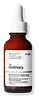
This barrier-repair serum is formulated around Niacinamide and Asiaticoside to strengthen the skin barrier and calm redness.


What's inside
What's inside
 Key Ingredients
Benefits
Concerns
Ingredients Side-by-side
Water
Skin ConditioningPropanediol
Solvent

Isodecyl Neopentanoate
EmollientPentylene Glycol
Skin Conditioning
Niacinamide
Smoothing










Hexyldecanol
Emollient
Cetearyl Alcohol
Emollient





Xylitylglucoside
Humectant
Ceteth-20 Phosphate
CleansingAnhydroxylitol
Humectant
Ethyl Linoleate
Emollient

Asiaticoside
Antioxidant
Asiatic Acid
Skin Conditioning
Madecassic Acid
Skin Conditioning
Naringenin
Skin ConditioningCyanocobalamin
Skin ConditioningPanthenyl Triacetate
4-T-Butylcyclohexanol
Masking
Hydroxyphenyl Propamidobenzoic Acid
Skin ConditioningCetylhydroxyproline Palmitamide
Skin ConditioningBisabolol
Antioxidant
Brassica Campestris Sterols
EmollientSphingolipids
Emollient
Phospholipids
Skin Conditioning
Epigallocatechin Gallatyl Glucoside
Antioxidant
Gallyl Glucoside
Antioxidant
Propyl Gallate
Antioxidant
Xylitol
Humectant
Zingiber Officinale Root Extract
Masking
Stearic Acid
Cleansing
Dicetyl Phosphate
EmulsifyingIsoceteth-20
EmulsifyingXanthan Gum
EmulsifyingTrisodium Ethylenediamine Disuccinate
ChelatingTocopherol
Antioxidant
Dehydroacetic Acid
Preservative
P-Anisic Acid
MaskingPhytic Acid
Chelating
Sodium Phytate
ChelatingSodium Citrate
BufferingSodium Hydroxide
BufferingBenzyl Alcohol
Perfuming

Ethylhexylglycerin
Skin ConditioningPhenoxyethanol
Preservative
Chlorphenesin
Antimicrobial
Water, Propanediol, Isodecyl Neopentanoate, Pentylene Glycol, Niacinamide, Hexyldecanol, Cetearyl Alcohol, Xylitylglucoside, Ceteth-20 Phosphate, Anhydroxylitol, Ethyl Linoleate, Asiaticoside, Asiatic Acid, Madecassic Acid, Naringenin, Cyanocobalamin, Panthenyl Triacetate, 4-T-Butylcyclohexanol, Hydroxyphenyl Propamidobenzoic Acid, Cetylhydroxyproline Palmitamide, Bisabolol, Brassica Campestris Sterols, Sphingolipids, Phospholipids, Epigallocatechin Gallatyl Glucoside, Gallyl Glucoside, Propyl Gallate, Xylitol, Zingiber Officinale Root Extract, Stearic Acid, Dicetyl Phosphate, Isoceteth-20, Xanthan Gum, Trisodium Ethylenediamine Disuccinate, Tocopherol, Dehydroacetic Acid, P-Anisic Acid, Phytic Acid, Sodium Phytate, Sodium Citrate, Sodium Hydroxide, Benzyl Alcohol, Ethylhexylglycerin, Phenoxyethanol, Chlorphenesin
Water
Skin ConditioningCaprylic/Capric Triglyceride
Masking
Butylene Glycol
Humectant
Glycerin
Humectant
Behenyl Alcohol
Emollient
Pentylene Glycol
Skin Conditioning
Butyrospermum Parkii Butter
Skin Conditioning
Cetearyl Alcohol
Emollient
1,2-Hexanediol
Skin Conditioning
Panthenol
Skin Conditioning
Caprylic/Capric/Myristic/Stearic Triglyceride
EmollientVinyldimethicone

Theobroma Cacao Extract
Skin ConditioningCetearyl Olivate
Caprylyl Glycol
Emollient
Ceramide NP
Skin Conditioning
C14-22 Alcohols
Emulsion Stabilising
C12-16 Alcohols
EmollientHydroxyethyl Acrylate/Sodium Acryloyldimethyl Taurate Copolymer
Emulsion StabilisingPalmitic Acid
Emollient
Hydrogenated Lecithin
Emulsifying
Acrylates/C10-30 Alkyl Acrylate Crosspolymer
Emulsion StabilisingSorbitan Olivate
Emulsifying
C12-20 Alkyl Glucoside
EmulsifyingTromethamine
BufferingDextrin
AbsorbentSorbitan Isostearate
Emulsifying
Parfum
Masking
Sodium Phytate
ChelatingCI 19140
Cosmetic ColorantWater, Caprylic/Capric Triglyceride, Butylene Glycol, Glycerin, Behenyl Alcohol, Pentylene Glycol, Butyrospermum Parkii Butter, Cetearyl Alcohol, 1,2-Hexanediol, Panthenol, Caprylic/Capric/Myristic/Stearic Triglyceride, Vinyldimethicone, Theobroma Cacao Extract, Cetearyl Olivate, Caprylyl Glycol, Ceramide NP, C14-22 Alcohols, C12-16 Alcohols, Hydroxyethyl Acrylate/Sodium Acryloyldimethyl Taurate Copolymer, Palmitic Acid, Hydrogenated Lecithin, Acrylates/C10-30 Alkyl Acrylate Crosspolymer, Sorbitan Olivate, C12-20 Alkyl Glucoside, Tromethamine, Dextrin, Sorbitan Isostearate, Parfum, Sodium Phytate, CI 19140
Reviews
Ingredients Explained
These ingredients are found in both products.
Ingredients higher up in an ingredient list are typically present in a larger amount.
Cetearyl alcohol is a waxy mixture of two fatty alcohols: cetyl alcohol and stearyl alcohol. It is an emollient and emulsifier.
Despite having "alcohol" in its name, it has nothing to do with drying solvent alcohols; the FDA also allows "alcohol-free" products to contain fatty alcohols like this ingredient.
It plays several roles in a formula:
Typical use levels for this ingredient sit around 1-10% and the Cosmetic Ingredient Review Expert Panel has affirmed safety at concentrations up to 25% in leave-on products.
Multiple assessments have found it to be non-irritating and non-sensitizing to most people.
However, there have been some cases of allergic contact dermatitis in patients with chronically compromised skin barriers.
Cetearyl alcohol has a comedogenic rating of 2 and irritancy rating of 1. Both of these numbers come from the 1989 study that used rabbit ears; a "2" means mildly comedogenic and a "1" means low irritancy.
Here's the catch: rabbit skin is more sensitive than human skin and throws a lot of false positives. A 1996 reappraisal found that ingredients rated 1-2 in the rabbit ear tests are generally safe for humans.
Remember comedogenic ratings are unable to assess the entire formula of a product or how it will react on your skin. Just be sure to patch test if you are unsure about certain ingredients.
This ingredient is not fungal acne safe. Cetearyl alcohol is a fatty alcohol with chain lengths that fall within the range that Malassezia can metabolize.
A 2019 study has also observed Malassezia growth in the presence of this ingredient, confirming it to be not-fungal acne safe.
Learn more about Cetearyl AlcoholPentylene Glycol (1,2-pentanediol) is a multitasking little diol with three main roles in a formula:
Research on alkanediols (the family pentylene glycol belongs to) show they work by disrupting microbial cell membranes. This disruption helps the primary preservative system in a product work more effectively at lower doses.
On the safety side, the Cosmetic Ingredient Review Expert Panel has concluded this ingredient to be safe as used in current cosmetic practices + concentrations.
Typical use levels in a formula run about 1-5%.
Learn more about Pentylene GlycolSodium Phytate is the sodium salt of Phytic acid, a compound that plants store phosphorus in. It's the plant-derived alternative to ingredients like Disodium EDTA.
In skincare, this ingredient is a chelator that grabs onto trace metal ions like iron and copper that sneak into formulas through water/raw materials.
Those metals speed up oxidation so binding them keeps oils, fragrance, and actives from going off, stops color changes, and helps the preservative system work harder.
Survey data shows usage levels range from 0.0099%-0.5% in leave-on products, 0.025%-0.3% in rinse-off, and up to 0.05% in eye-area products. Suppliers typically recommend a range between 0.05-0.5%.
Learn more about Sodium PhytateWater. It's the most common cosmetic ingredient of all. You'll usually see it at the top of ingredient lists, meaning that it makes up the largest part of the product.
So why is it so popular? Water most often acts as a solvent - this means that it helps dissolve other ingredients into the formulation.
You'll also recognize water as that liquid we all need to stay alive. If you see this, drink a glass of water. Remember to stay hydrated!
Learn more about Water

