

What's inside
What's inside
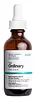 Key Ingredients
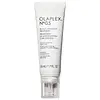
Benefits
Concerns
Ingredients Side-by-side
Water
Skin ConditioningPropanediol
Solvent

Butylene Glycol
Humectant
Glycerin
Humectant
Caffeine
Skin Conditioning

Biotinoyl Tripeptide-1

Acetyl Tetrapeptide-3
Skin Protecting
Larix Europaea Wood Extract
HumectantPisum Sativum Extract
Skin ConditioningScutellaria Baicalensis Root Extract
Astringent
Triticum Vulgare Germ Extract
Skin ConditioningGlycine Soja Germ Extract
EmollientTrifolium Pratense Flower Extract
AstringentCamellia Sinensis Leaf Extract
Antimicrobial



Apigenin
Antioxidant
Oleanolic Acid
Skin ConditioningArginine
Masking
Glycine
Buffering
Calcium Gluconate
HumectantZinc Chloride
AntimicrobialLactic Acid
Buffering





Gluconolactone
Chelating

Dextran
Maltodextrin
Absorbent
Hydroxyethylcellulose
Emulsion StabilisingXanthan Gum
EmulsifyingPentylene Glycol
Skin Conditioning
Dimethyl Isosorbide
SolventPolysorbate 20
Emulsifying
PPG-26-Buteth-26
Skin ConditioningPEG-40 Hydrogenated Castor Oil
Emulsifying
Trisodium Ethylenediamine Disuccinate
ChelatingSodium Metabisulfite
Antioxidant
Sodium Benzoate
Masking
Phenoxyethanol
Preservative
Chlorphenesin
Antimicrobial
Water, Propanediol, Butylene Glycol, Glycerin, Caffeine, Biotinoyl Tripeptide-1, Acetyl Tetrapeptide-3, Larix Europaea Wood Extract, Pisum Sativum Extract, Scutellaria Baicalensis Root Extract, Triticum Vulgare Germ Extract, Glycine Soja Germ Extract, Trifolium Pratense Flower Extract, Camellia Sinensis Leaf Extract, Apigenin, Oleanolic Acid, Arginine, Glycine, Calcium Gluconate, Zinc Chloride, Lactic Acid, Gluconolactone, Dextran, Maltodextrin, Hydroxyethylcellulose, Xanthan Gum, Pentylene Glycol, Dimethyl Isosorbide, Polysorbate 20, PPG-26-Buteth-26, PEG-40 Hydrogenated Castor Oil, Trisodium Ethylenediamine Disuccinate, Sodium Metabisulfite, Sodium Benzoate, Phenoxyethanol, Chlorphenesin
Water
Skin ConditioningGlycerin
Humectant
Propanediol
Solvent
C9-12 Alkane
SolventOctyldodecanol
Emollient
Bis-Aminopropyl Diglycol Dimaleate
Skin ConditioningPhenoxyethanol
Preservative
Sodium Acrylates Copolymer
Oryza Sativa Bran Oil
Emollient
Arginine
Masking
Chlorphenesin
Antimicrobial
Glycine Soja Seed Extract
Skin Conditioning
Hydrogenated Polydecene
EmollientLecithin
Emollient
Coco-Caprylate/Caprate
Emollient
Citric Acid
Buffering
Menthoxypropanediol
Masking
1,2-Hexanediol
Skin Conditioning
Ceramide NP
Skin Conditioning
Cetearyl Alcohol
Emollient

Glyceryl Stearate
Emollient
Tasmannia Lanceolata Leaf Extract
Skin ConditioningPhenethyl Alcohol
MaskingPogostemon Cablin Leaf/Stem Extract
Antimicrobial
Lavandula Angustifolia Flower/Leaf/Stem Extract
Masking
Lavandula Oil/Extract

Pentylene Glycol
Skin Conditioning
Leptospermum Scoparium Branch/Leaf Oil
Tonic
Ceramide AP
Skin Conditioning
Cholesterol
Emollient
Hydrogenated Lecithin
Emulsifying
Phytosphingosine
Skin Conditioning
Stearic Acid
Cleansing
Magnolia Officinalis Bark Extract
Antimicrobial
Piper Nigrum Seed Extract
RefreshingTetraacetylphytosphingosine
Skin ConditioningSodium Acetylated Hyaluronate
Humectant
Sodium Hyaluronate
Humectant
Sodium Hyaluronate Crosspolymer
Humectant
Xanthan Gum
EmulsifyingHydrolyzed Sodium Hyaluronate
Skin Conditioning
Ceramide EOP
Skin Conditioning
Sodium Benzoate
Masking
Ethylhexylglycerin
Skin ConditioningGlycosphingolipids
EmollientWater, Glycerin, Propanediol, C9-12 Alkane, Octyldodecanol, Bis-Aminopropyl Diglycol Dimaleate, Phenoxyethanol, Sodium Acrylates Copolymer, Oryza Sativa Bran Oil, Arginine, Chlorphenesin, Glycine Soja Seed Extract, Hydrogenated Polydecene, Lecithin, Coco-Caprylate/Caprate, Citric Acid, Menthoxypropanediol, 1,2-Hexanediol, Ceramide NP, Cetearyl Alcohol, Glyceryl Stearate, Tasmannia Lanceolata Leaf Extract, Phenethyl Alcohol, Pogostemon Cablin Leaf/Stem Extract, Lavandula Angustifolia Flower/Leaf/Stem Extract, Lavandula Oil/Extract, Pentylene Glycol, Leptospermum Scoparium Branch/Leaf Oil, Ceramide AP, Cholesterol, Hydrogenated Lecithin, Phytosphingosine, Stearic Acid, Magnolia Officinalis Bark Extract, Piper Nigrum Seed Extract, Tetraacetylphytosphingosine, Sodium Acetylated Hyaluronate, Sodium Hyaluronate, Sodium Hyaluronate Crosspolymer, Xanthan Gum, Hydrolyzed Sodium Hyaluronate, Ceramide EOP, Sodium Benzoate, Ethylhexylglycerin, Glycosphingolipids
Reviews
Alternatives
Ingredients Explained
These ingredients are found in both products.
Ingredients higher up in an ingredient list are typically present in a larger amount.
Arginine is a semi-essential amino acid. This just means our bodies can product a bit on its own, but sometimes needs a little boost from food sources.
It is a part of your skin's natural moisturizing factor (NMF), or the water-loving molecules in your outermost layer of skin (stratum corneum) that keeps everything hydrated and happy.
Here's an interesting thing about Arginine: your skin converts it into urea through the Krebs-Henseleit urea cycle. Urea is one of the most effective humectants your skin naturally produces.
A clinical study showed applying 2.5% arginine hydrochloride to atopic dermatitis skin showed significant urea levels in the stratum corneum and improved moisture in just four weeks.
Arginine is also a precursor to nitric oxide; nitric oxide improves microcirculation and supports wound healing and collagen synthesis.
One study found that an amino acid complex containing Arginine reduced skin irritation, improved hydration, and accelerated skin repair in clinical / in-vivo studies.
Arginine itself is an amino acid and not a fatty acid, oil, or ester. On its own, it's not a direct food source for Malassezia, or the yeast that causes fungal acne.
Learn more about ArginineChlorphenesin is a synthetic preservative. It helps protect a product against bacteria in order to extend shelf life. In most cases, Chlorphenesin is paired with other preservatives such as phenoxyethanol and caprylyl glycol.
Chlorphenesin is a biocide. This means it is able to help fight the microorganisms on our skin. It is also able to fight odor-releasing bacteria.
Chlorphenesin is soluble in both water and glycerin.
Studies show Chlorphenesin is easily absorbed by our skin. You should speak with a skincare professional if you have concerns about using Chlorphenesin.
Learn more about ChlorphenesinGlycerin (or glycerol) is a compound naturally found in your skin. It's a powerhouse humectant that pulls water into the stratum corneum.
Topically, glycerin does several things at once:
Your skin makes glycerin on its own (mostly from sebaceous oil breakdown) and shuttles it to your outermost layer of skin, or your epidermis, via aquaporin-3.
Aquaporin-3 is a transporter that is essential for normal skin hydration, elasticity, and repair. Interestingly, mice lacking in AQP3 have dry and less elastic skin that can be fully corrected with glycerin.
This ingredient is non-irritating, plays well with almost every ingredient, and works across all skin types. Typical use is anywhere between 3-10% but can go up to 79% in some leave-on products.
Just know very high concentrations (>40%) can feel tacky in low humidity.
Glycerin is the name for this ingredient in American English. British English uses Glycerol/Glycerine.
Learn more about GlycerinPentylene Glycol (1,2-pentanediol) is a multitasking little diol with three main roles in a formula:
Research on alkanediols (the family pentylene glycol belongs to) show they work by disrupting microbial cell membranes. This disruption helps the primary preservative system in a product work more effectively at lower doses.
On the safety side, the Cosmetic Ingredient Review Expert Panel has concluded this ingredient to be safe as used in current cosmetic practices + concentrations.
Typical use levels in a formula run about 1-5%.
Learn more about Pentylene GlycolPhenoxyethanol is one of the most widely used preservatives in skincare (and for good reason!).
It has a large spectrum of antimicrobial activity and especially effective bacteria, yeast, and mold while only having a weak effect on your skin's natural microbiome.
On a cellular level, it disrupts the cell membranes of microbes by poking holes that make the cell leak. This shuts down the chemical reactions the microbe needs to make energy so it can no longer survive.
Another perk of this ingredient is that it stays functional across a wide pH range (3-10).
You'll often see it paired with boosters like Ethylhexylglycerin; one study showed that a 1:9 ratio of Ethylhexylglycerin to Phenoxyethanol damages bacterial membranes as effectively as doubling the Phenoxyethanol concentration on its own.
Typical use concentrations range from 0.3-1% depending on the formula, and this ingredient is capped at 1% int the EU.
Safety-wise, the fear mongering does not hold up to the evidence. The EU's Scientific Committee on Consumer Safety and FDA consider it safe as a preservative at up to 1%, including for children of all ages.
Adverse systemic effects only showed up in animal studies at exposures roughly 200x higher than what people get from cosmetics. And despite its very widespread use, this ingredient is a rare sensitizer and allergic reactions are uncommon.
Learn more about PhenoxyethanolPropanediol is an all-star ingredient. It softens, hydrates, and smooths the skin.
It’s often used to:
Propanediol is not likely to cause sensitivity and considered safe to use. It is derived from corn or petroleum with a clear color and no scent.
Learn more about PropanediolSodium Benzoate is a preservative. It's used in both cosmetic and food products to inhibit the growth of mold and bacteria. It is typically produced synthetically.
Both the US FDA and EU Health Committee have approved the use of sodium benzoate. In the US, levels of 0.1% (of the total product) are allowed.
Sodium benzoate works as a preservative by inhibiting the growth of bacteria inside of cells. It prevents the cell from fermenting a type of sugar using an enzyme called phosphofructokinase.
It is the salt of benzoic acid. Foods containing sodium benzoate include soda, salad dressings, condiments, fruit juices, wines, and snack foods.
Studies for using ascorbic acid and sodium benzoate in cosmetics are lacking, especially in skincare routines with multiple steps.
We always recommend speaking with a professional, such as a dermatologist, if you have any concerns.
Learn more about Sodium BenzoateWater. It's the most common cosmetic ingredient of all. You'll usually see it at the top of ingredient lists, meaning that it makes up the largest part of the product.
So why is it so popular? Water most often acts as a solvent - this means that it helps dissolve other ingredients into the formulation.
You'll also recognize water as that liquid we all need to stay alive. If you see this, drink a glass of water. Remember to stay hydrated!
Learn more about WaterXanthan gum is used as a stabilizer and thickener within cosmetic products. It helps give products a sticky, thick feeling - preventing them from being too runny.
On the technical side of things, xanthan gum is a polysaccharide - a combination consisting of multiple sugar molecules bonded together.
Xanthan gum is a pretty common and great ingredient. It is a natural, non-toxic, non-irritating ingredient that is also commonly used in food products.
Learn more about Xanthan Gum

