The Ordinary Glycolic Acid 7% Exfoliating Toner Versus MediCube Kojic Acid Turmeric Niacinamide Serum
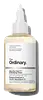
This smoothing toner is formulated around Glycolic Acid to refine skin texture and brighten dull-looking skin.
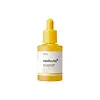
This brightening serum is formulated around Niacinamide and Kojic Acid to fade the look of dark spots and brighten dull-looking skin.


What's inside
What's inside
 Key Ingredients
Benefits
Concerns
Ingredients Side-by-side
Water
Skin ConditioningGlycolic Acid
Buffering











Rosa Damascena Flower Water
Masking

Centaurea Cyanus Flower Water
Skin Conditioning
Aloe Barbadensis Leaf Water
MaskingPropanediol
Solvent

Glycerin
Humectant
Triethanolamine
BufferingAminomethyl Propanol
BufferingPanax Ginseng Root Extract
Emollient
Tasmannia Lanceolata Fruit/Leaf Extract
Antioxidant
Aspartic Acid
Masking
Alanine
Masking
Glycine
Buffering
Serine
Masking
Valine
MaskingIsoleucine
Skin ConditioningProline
Skin Conditioning
Threonine
Histidine
Humectant
Phenylalanine
Masking
Glutamic Acid
Humectant
Arginine
Masking
PCA
Humectant
Sodium PCA
Humectant
Sodium Lactate
Buffering
Fructose
Humectant
Glucose
Humectant
Sucrose
Humectant
Urea
Buffering
Hexyl Nicotinate
EmollientDextrin
AbsorbentCitric Acid
Buffering
Polysorbate 20
Emulsifying
Gellan Gum
Trisodium Ethylenediamine Disuccinate
Sodium Chloride
MaskingHexylene Glycol
EmulsifyingPotassium Sorbate
Preservative
Sodium Benzoate
Masking
1,2-Hexanediol
Skin Conditioning
Caprylyl Glycol
Emollient
Water, Glycolic Acid, Rosa Damascena Flower Water, Centaurea Cyanus Flower Water, Aloe Barbadensis Leaf Water, Propanediol, Glycerin, Triethanolamine, Aminomethyl Propanol, Panax Ginseng Root Extract, Tasmannia Lanceolata Fruit/Leaf Extract, Aspartic Acid, Alanine, Glycine, Serine, Valine, Isoleucine, Proline, Threonine, Histidine, Phenylalanine, Glutamic Acid, Arginine, PCA, Sodium PCA, Sodium Lactate, Fructose, Glucose, Sucrose, Urea, Hexyl Nicotinate, Dextrin, Citric Acid, Polysorbate 20, Gellan Gum, Trisodium Ethylenediamine Disuccinate, Sodium Chloride, Hexylene Glycol, Potassium Sorbate, Sodium Benzoate, 1,2-Hexanediol, Caprylyl Glycol
Water
Skin ConditioningNiacinamide
Smoothing
Butylene Glycol
Humectant
Jojoba Esters
Emollient
1,2-Hexanediol
Skin Conditioning
Curcuma Longa Root Extract
Antioxidant
Caprylic/Capric/Succinic Triglyceride
EmollientCoco-Caprylate/Caprate
Emollient
Kojic Acid
Antioxidant
Ammonium Acryloyldimethyltaurate/Vp Copolymer
Hydrogenated Castor Oil/Sebacic Acid Copolymer
Emollient
Melia Azadirachta Flower Extract
Skin ConditioningOcimum Sanctum Leaf Extract
Skin ConditioningCoccinia Indica Fruit Extract
Skin Conditioning
Eclipta Prostrata Extract
Skin Conditioning
Melia Azadirachta Leaf Extract
Skin ConditioningAllantoin
Skin Conditioning
Cetyl Alcohol
Emollient
Silica Silylate
Emollient
Sodium Citrate
BufferingEthylhexylglycerin
Skin ConditioningCorallina Officinalis Extract
Skin Conditioning

Adenosine
Skin Conditioning
Chamaecyparis Obtusa Wood Oil
Masking
Behenyl Alcohol
Emollient
Arginine
Masking
Citric Acid
Buffering
Tocopherol
Antioxidant
Panthenol
Skin Conditioning
Squalane
Emollient
Thioctic Acid
Antioxidant
Glycolic Acid
Buffering
Water, Niacinamide, Butylene Glycol, Jojoba Esters, 1,2-Hexanediol, Curcuma Longa Root Extract, Caprylic/Capric/Succinic Triglyceride, Coco-Caprylate/Caprate, Kojic Acid, Ammonium Acryloyldimethyltaurate/Vp Copolymer, Hydrogenated Castor Oil/Sebacic Acid Copolymer, Melia Azadirachta Flower Extract, Ocimum Sanctum Leaf Extract, Coccinia Indica Fruit Extract, Eclipta Prostrata Extract, Melia Azadirachta Leaf Extract, Allantoin, Cetyl Alcohol, Silica Silylate, Sodium Citrate, Ethylhexylglycerin, Corallina Officinalis Extract, Adenosine, Chamaecyparis Obtusa Wood Oil, Behenyl Alcohol, Arginine, Citric Acid, Tocopherol, Panthenol, Squalane, Thioctic Acid, Glycolic Acid
Reviews
Ingredients Explained
These ingredients are found in both products.
Ingredients higher up in an ingredient list are typically present in a larger amount.
1,2-Hexanediol is a synthetic liquid and another multi-functional powerhouse.
It is a:
- Humectant, drawing moisture into the skin
- Emollient, helping to soften skin
- Solvent, dispersing and stabilizing formulas
- Preservative booster, enhancing the antimicrobial activity of other preservatives
Arginine is a semi-essential amino acid. This just means our bodies can product a bit on its own, but sometimes needs a little boost from food sources.
It is a part of your skin's natural moisturizing factor (NMF), or the water-loving molecules in your outermost layer of skin (stratum corneum) that keeps everything hydrated and happy.
Here's an interesting thing about Arginine: your skin converts it into urea through the Krebs-Henseleit urea cycle. Urea is one of the most effective humectants your skin naturally produces.
A clinical study showed applying 2.5% arginine hydrochloride to atopic dermatitis skin showed significant urea levels in the stratum corneum and improved moisture in just four weeks.
Arginine is also a precursor to nitric oxide; nitric oxide improves microcirculation and supports wound healing and collagen synthesis.
One study found that an amino acid complex containing Arginine reduced skin irritation, improved hydration, and accelerated skin repair in clinical / in-vivo studies.
Arginine itself is an amino acid and not a fatty acid, oil, or ester. On its own, it's not a direct food source for Malassezia, or the yeast that causes fungal acne.
Learn more about ArginineCitric Acid is an alpha hydroxy acid (AHA) naturally found in citrus fruits like oranges, lemons, and limes.
Like other AHAs, citric acid can exfoliate skin by breaking down the bonds that hold dead skin cells together. This helps reveal smoother and brighter skin underneath.
However, this exfoliating effect only happens at high concentrations (20%) which can be hard to find in cosmetic products.
Due to this, citric acid is usually included in small amounts as a pH adjuster. This helps keep products slightly more acidic and compatible with skin's natural pH.
In skincare formulas, citric acid can:
While it can provide some skin benefits, research shows lactic acid and glycolic acid are generally more effective and less irritating exfoliants.
Most citric acid used in skincare today is made by fermenting sugars (usually from molasses). This synthetic version is identical to the natural citrus form but easier to stabilize and use in formulations.
Rosacea skin has a lower threshold for acids generally, with 62.5% of rosacea subjects in one study reacting to lactic acid in a sting test. This is why we mark citric acid as a potential rosacea trigger.
However, this ingredient shows up as a pH adjuster or chelator at roughly 0.1-1% in many products. These low levels are unlikely to be an issue for rosacea skin and becomes a potential trigger at exfoliating concentrations (20%). Because everybody's skin is unique, we recommend a patch test if you are unsure.
Learn more about Citric AcidGlycolic Acid is arguably the most famous alpha hydroxy acid (AHA) with tons of research backing its benefits.
It is found naturally in sugar cane but the form used in skincare is usually synthetic for purity and stability.
Glycolic acid removes the top layer of dead skin cells to allow newer and fresher ones to emerge.
AHAs work by breaking down the structural “glue” that holds old skin cells in place. When that buildup is gone, your skin can renew itself more efficiently.
Research also shows glycolic acid stimulates collagen production, helping to firm and thicken the skin over time. This is one of its biggest advantages over other AHAs.
Overall, glycolic acid helps with:
Fun fact: Glycolic acid boosts skin hydration by helping it produce molecules that increase hyaluronic acid naturally.
To work best, glycolic acid products should have a pH between 3-4 (that’s where exfoliation is most effective but still gentle on skin).
The pH and concentration of a product are key to its effectiveness:
It is normal to feel a slight stinging sensation when using glycolic acid. This usually fades as your skin adjusts.
Because glycolic acid has the smallest molecular size in the AHA family, it can penetrate deeper, which enhances its effectiveness but also makes it more likely to irritate sensitive skin.
If your skin is very sensitive or prone to rosacea, glycolic acid may be too strong; in that case, try milder options like lactic acid or a PHA instead.
Recent studies suggest glycolic acid might even help protect against UV damage. But don’t skip sunscreen! Freshly exfoliated skin is more sensitive to the sun.
Glycolic acid is a skincare superstar. It smooths, brightens, hydrates, and firms the skin. Unless you’re highly sensitive, it’s well worth adding to your routine.
Read more about some other popular AHA's here:
Learn more about Glycolic AcidWater. It's the most common cosmetic ingredient of all. You'll usually see it at the top of ingredient lists, meaning that it makes up the largest part of the product.
So why is it so popular? Water most often acts as a solvent - this means that it helps dissolve other ingredients into the formulation.
You'll also recognize water as that liquid we all need to stay alive. If you see this, drink a glass of water. Remember to stay hydrated!
Learn more about Water

