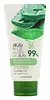
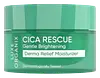
The Face Shop Jeju Aloe Fresh Soothing Gel Tube Versus Luxe Organix Cica Rescue Gentle Brightening Derma Relief Moisturizer
This calming moisturizer is formulated around Centella Asiatica Leaf Water and Niacinamide to calm redness and strengthen the skin barrier.


What's inside
What's inside
 Key Ingredients
Benefits
Concerns
Ingredients Side-by-side
Aloe Barbadensis Leaf Extract
Emollient


Alcohol Denat.
Antimicrobial




Glycerin
Humectant

Polysorbate 20
Emulsifying
Carbomer
Emulsion StabilisingTriethanolamine
BufferingBis-PEG-18 Methyl Ether Dimethyl Silane
EmollientGlyceryl Polyacrylate
Allantoin
Skin Conditioning
Betaine
Humectant
Sodium Polyacrylate
Absorbent
Caprylyl Glycol
Emollient
Ethylhexylglycerin
Skin ConditioningCitrus Paradisi Seed Extract
Masking
Artemisia Princeps Extract
Skin Conditioning
Butylene Glycol
Humectant
Polyglutamic Acid
Skin Conditioning
Lactobacillus/Aloe Barbadensis Ferment Filtrate
Skin ConditioningDipropylene Glycol
HumectantPentylene Glycol
Skin Conditioning
Morus Alba Bark Extract
Skin ConditioningGlycine Soja Seed Extract
Skin Conditioning
Chamomilla Recutita Flower/Leaf Extract
AntimicrobialRosmarinus Officinalis Leaf Extract
AntimicrobialLavandula Angustifolia Flower Extract
Cleansing
Ocimum Basilicum Leaf Extract
Skin ConditioningSalvia Officinalis Extract
Antimicrobial
Water
Skin ConditioningDisodium EDTA
ChelatingPhenoxyethanol
Preservative
Parfum
Masking
Chlorphenesin
Antimicrobial
Limonene
Perfuming
Linalool
Perfuming
Butylphenyl Methylpropional
Perfuming
Aloe Barbadensis Leaf Extract, Alcohol Denat., Glycerin, Polysorbate 20, Carbomer, Triethanolamine, Bis-PEG-18 Methyl Ether Dimethyl Silane, Glyceryl Polyacrylate, Allantoin, Betaine, Sodium Polyacrylate, Caprylyl Glycol, Ethylhexylglycerin, Citrus Paradisi Seed Extract, Artemisia Princeps Extract, Butylene Glycol, Polyglutamic Acid, Lactobacillus/Aloe Barbadensis Ferment Filtrate, Dipropylene Glycol, Pentylene Glycol, Morus Alba Bark Extract, Glycine Soja Seed Extract, Chamomilla Recutita Flower/Leaf Extract, Rosmarinus Officinalis Leaf Extract, Lavandula Angustifolia Flower Extract, Ocimum Basilicum Leaf Extract, Salvia Officinalis Extract, Water, Disodium EDTA, Phenoxyethanol, Parfum, Chlorphenesin, Limonene, Linalool, Butylphenyl Methylpropional
Water
Skin ConditioningCentella Asiatica Leaf Water
Skin Conditioning
Caprylic/Capric Triglyceride
Masking
Glycerin
Humectant
Butylene Glycol
Humectant
Niacinamide
Smoothing






Dimethicone
Emollient
Polysorbate 60
Emulsifying
Propanediol
Solvent
Glyceryl Stearate
Emollient
Glyceryl Stearate Se
Emulsifying

PEG-100 Stearate
Surfactant
Polyacrylate-13
Arginine
Masking
Carbomer
Emulsion StabilisingPolyisobutene
Caprylyl Glycol
Emollient
Octyldodecanol
Emollient
Pentylene Glycol
Skin Conditioning
Polysorbate 20
Emulsifying
1,2-Hexanediol
Skin Conditioning
Hydrogenated Lecithin
Emulsifying
Ceramide NP
Skin Conditioning
Ethylhexylglycerin
Skin ConditioningAdenosine
Skin Conditioning
Disodium EDTA
ChelatingXanthan Gum
EmulsifyingCeramide Ns
Skin Conditioning
Ceramide As
Skin Conditioning
Ceramide EOP
Skin Conditioning
Ceramide AP
Skin Conditioning
Adansonia Digitata Seed Oil
Emollient
Centella Asiatica Extract
Cleansing
Sodium Hyaluronate
Humectant
Tocopherol
Antioxidant
Propolis Extract
Skin Conditioning
Asiaticoside
Antioxidant
Madecassic Acid
Skin Conditioning
Asiatic Acid
Skin Conditioning
Madecassoside
Antioxidant
Water, Centella Asiatica Leaf Water, Caprylic/Capric Triglyceride, Glycerin, Butylene Glycol, Niacinamide, Dimethicone, Polysorbate 60, Propanediol, Glyceryl Stearate, Glyceryl Stearate Se, PEG-100 Stearate, Polyacrylate-13, Arginine, Carbomer, Polyisobutene, Caprylyl Glycol, Octyldodecanol, Pentylene Glycol, Polysorbate 20, 1,2-Hexanediol, Hydrogenated Lecithin, Ceramide NP, Ethylhexylglycerin, Adenosine, Disodium EDTA, Xanthan Gum, Ceramide Ns, Ceramide As, Ceramide EOP, Ceramide AP, Adansonia Digitata Seed Oil, Centella Asiatica Extract, Sodium Hyaluronate, Tocopherol, Propolis Extract, Asiaticoside, Madecassic Acid, Asiatic Acid, Madecassoside
Reviews
Ingredients Explained
These ingredients are found in both products.
Ingredients higher up in an ingredient list are typically present in a larger amount.
Butylene Glycol (or BG) is used within cosmetic products for a few different reasons:
Overall, Butylene Glycol is a safe and well-rounded ingredient that works well with other ingredients.
Though this ingredient works well with most skin types, some people with sensitive skin may experience a reaction such as allergic rashes, closed comedones, or itchiness.
Learn more about Butylene GlycolCaprylyl Glycol is a humectant, skin conditioner, emollient, and preservative booster derived from either caprylic acid or synthetically created.
Typical use levels vary from 0.3-1% as a preservative booster and go up to 2% to condition skin.
Because it is not a free-fatty acid, this ingredient is fungal acne safe (there's nothing for Malassezia to feed on).
Learn more about Caprylyl GlycolCarbomer is a synthetic thickening and gelling agent. It's basically the ingredient that gives a lot of serums, gels, creams, and sunscreens their smooth, non-sticky texture.
Although legally permitted at very high levels, carbomers are normally used at concentrations below 1%.
It also needs to be neutralized to actually thicken, and because it is a large molecule, it doesn't really penetrate the skin barrier.
Allergy-wise, the risk is very low. Clinical studies show carbomers have low potential for skin irritation/sensitization even at concentrations up to 100%.
A 2024 UK study patch-tested 1,302 patients and found true allergy to the parent group of carbomer to be rare with no confirmed relevant reactions.
Learn more about CarbomerDisodium EDTA is a chelating agent. It grabs onto and deactivates metal ions that sneak into your products from water, packaging, or air.
This ingredient mainly works behind the scenes and helps with:
On top of that, this ingredient can counteract the effects of hard water by binding to the minerals in it.
One thing worth knowing is that Disodium EDTA has been shown to be a mild penetration enhancer. It can help other ingredients absorb into skin more effectively which can be a double-edged sword (great for actives, but can also make the active too strong if you have sensitive skin).
Clinical patch testing showed no significant skin irritation at typical use concentrations and minimal dermal absorption.
You'll most likely see this ingredient near the end of an ingredient list. It's typically found in concentrations less than 1%.
Learn more about Disodium EDTAEthylhexylglycerin is created from glycerin. It is a multitasker ingredient that:
The CIR Expert Panel found minimal skin absorption or sensitization of any kind in a safety assessment. Though this ingredient is considered well-tolerated, a small number of cases of allergic dermatitis have been published since 2002. Just be sure to patch test if you are unsure.
Industry-reported use ranges from 8% in rinse-off products and 2% in leave-on formulations.
Learn more about EthylhexylglycerinGlycerin (or glycerol) is a compound naturally found in your skin. It's a powerhouse humectant that pulls water into the stratum corneum.
Topically, glycerin does several things at once:
Your skin makes glycerin on its own (mostly from sebaceous oil breakdown) and shuttles it to your outermost layer of skin, or your epidermis, via aquaporin-3.
Aquaporin-3 is a transporter that is essential for normal skin hydration, elasticity, and repair. Interestingly, mice lacking in AQP3 have dry and less elastic skin that can be fully corrected with glycerin.
This ingredient is non-irritating, plays well with almost every ingredient, and works across all skin types. Typical use is anywhere between 3-10% but can go up to 79% in some leave-on products.
Just know very high concentrations (>40%) can feel tacky in low humidity.
Glycerin is the name for this ingredient in American English. British English uses Glycerol/Glycerine.
Learn more about GlycerinPentylene Glycol (1,2-pentanediol) is a multitasking little diol with three main roles in a formula:
Research on alkanediols (the family pentylene glycol belongs to) show they work by disrupting microbial cell membranes. This disruption helps the primary preservative system in a product work more effectively at lower doses.
On the safety side, the Cosmetic Ingredient Review Expert Panel has concluded this ingredient to be safe as used in current cosmetic practices + concentrations.
Typical use levels in a formula run about 1-5%.
Learn more about Pentylene GlycolPolysorbate 20 is a gentle, water-soluble emulsifier and mild surfactant. It stops oil and water from separating to keep your formulas blended and stable.
It also acts as a mild penetration enhancer by helping active ingredients absorb slightly better.
The common safety discussion around this ingredient involves a manufacturing byproduct called 1,4-dioxane.
Trace amounts can form during production but the EU's Scientific Committee on Consumer Safety has concluded that levels at/below 10 ppm in finished products are safe (commercial products consistently fall within acceptable margins).
True allergic reactions are uncommon and the CIR Expert Panel has confirmed this ingredient to be safe as used in cosmetics.
Because it is derived from lauric acid, it may not be fungal acne safe.
Learn more about Polysorbate 20Water. It's the most common cosmetic ingredient of all. You'll usually see it at the top of ingredient lists, meaning that it makes up the largest part of the product.
So why is it so popular? Water most often acts as a solvent - this means that it helps dissolve other ingredients into the formulation.
You'll also recognize water as that liquid we all need to stay alive. If you see this, drink a glass of water. Remember to stay hydrated!
Learn more about Water

