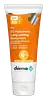
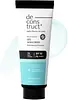
The Derma Co 1% Hyaluronic Long Lasting Sunscreen SPF 50 Versus Deconstruct Oats & Ceramide Gel Sunscreen SPF 50
This hybrid sunscreen covers the full UV range and blocks ~98% of UVB at SPF 50.
This chemical sunscreen covers the full UV range and blocks ~98% of UVB at SPF 50.

What's inside
What's inside
 Key Ingredients
Benefits
Concerns
Ingredients Side-by-side
Water
Skin ConditioningCyclopentasiloxane
Emollient
Ethylhexyl Methoxycinnamate
UV Absorber


Titanium Dioxide
Cosmetic Colorant
Diethylhexyl Butamido Triazone
UV Absorber
Cetyl PEG/PPG-10/1 Dimethicone
Emulsifying
Aluminum Chlorohydrate
AstringentDimethicone/Vinyl Dimethicone Crosspolymer
Skin Conditioning
Zinc Oxide
Cosmetic Colorant
Coco-Caprylate/Caprate
Emollient
Polyglyceryl-3 Polyricinoleate
Emulsifying

Isostearic Acid
Cleansing

Isododecane
EmollientDisteardimonium Hectorite
StabilisingPropylene Carbonate
SolventBis-Ethylhexyloxyphenol Methoxyphenyl Triazine
UV Absorber
Hyaluronic Acid
Humectant




Physalis Angulata Extract
Skin ProtectingCaprylic/Capric Triglyceride
Masking
Tocopherol
Antioxidant




Fructooligosaccharides
Humectant
Beta Vulgaris Root Extract
Skin ConditioningGlycerin
Humectant
Butylene Glycol
Humectant
Sodium Benzoate
Masking
Phenoxyethanol
Preservative
Water, Cyclopentasiloxane, Ethylhexyl Methoxycinnamate, Titanium Dioxide, Diethylhexyl Butamido Triazone, Cetyl PEG/PPG-10/1 Dimethicone, Aluminum Chlorohydrate, Dimethicone/Vinyl Dimethicone Crosspolymer, Zinc Oxide, Coco-Caprylate/Caprate, Polyglyceryl-3 Polyricinoleate, Isostearic Acid, Isododecane, Disteardimonium Hectorite, Propylene Carbonate, Bis-Ethylhexyloxyphenol Methoxyphenyl Triazine, Hyaluronic Acid, Physalis Angulata Extract, Caprylic/Capric Triglyceride, Tocopherol, Fructooligosaccharides, Beta Vulgaris Root Extract, Glycerin, Butylene Glycol, Sodium Benzoate, Phenoxyethanol
Water
Skin ConditioningC12-15 Alkyl Benzoate
AntimicrobialDiethylamino Hydroxybenzoyl Hexyl Benzoate
UV Filter
Ethylhexyl Triazone
UV Absorber
Bis-Ethylhexyloxyphenol Methoxyphenyl Triazine
UV Absorber
Phospholipids
Skin Conditioning
Polysorbate 80
Emulsifying
Butylene Glycol
Humectant
Glycerin
Humectant
Methylene Bis-Benzotriazolyl Tetramethylbutylphenol
UV Filter
Decyl Glucoside
Cleansing
Propylene Glycol
Humectant
Xanthan Gum
EmulsifyingEthylhexyl Salicylate
UV Absorber
Cetearyl Olivate
Sorbitan Olivate
Emulsifying
Tanacetum Annuum Flower Extract
PEG-7 Glyceryl Cocoate
Emulsifying
Ceramide NP
Skin Conditioning

Hydrolyzed Oat Protein
Skin ConditioningCoco-Caprylate/Caprate
Emollient
Polyglyceryl-2 Isostearate/Dimer Dilinoleate Copolymer
EmollientSqualane
Emollient
Butyloctyl Salicylate
Skin Conditioning
Sodium Carbomer
Emulsion StabilisingGlyceryl Dibehenate
Emollient
Phenoxyethanol
Preservative
Ethylhexylglycerin
Skin ConditioningHydrated Silica
Abrasive
Sodium Gluconate
ChelatingDehydroxanthan Gum
Emulsion StabilisingAcrylates/C10-30 Alkyl Acrylate Crosspolymer
Emulsion StabilisingTriethanolamine
BufferingEctoin
Skin Conditioning
Water, C12-15 Alkyl Benzoate, Diethylamino Hydroxybenzoyl Hexyl Benzoate, Ethylhexyl Triazone, Bis-Ethylhexyloxyphenol Methoxyphenyl Triazine, Phospholipids, Polysorbate 80, Butylene Glycol, Glycerin, Methylene Bis-Benzotriazolyl Tetramethylbutylphenol, Decyl Glucoside, Propylene Glycol, Xanthan Gum, Ethylhexyl Salicylate, Cetearyl Olivate, Sorbitan Olivate, Tanacetum Annuum Flower Extract, PEG-7 Glyceryl Cocoate, Ceramide NP, Hydrolyzed Oat Protein, Coco-Caprylate/Caprate, Polyglyceryl-2 Isostearate/Dimer Dilinoleate Copolymer, Squalane, Butyloctyl Salicylate, Sodium Carbomer, Glyceryl Dibehenate, Phenoxyethanol, Ethylhexylglycerin, Hydrated Silica, Sodium Gluconate, Dehydroxanthan Gum, Acrylates/C10-30 Alkyl Acrylate Crosspolymer, Triethanolamine, Ectoin
Ingredients Explained
These ingredients are found in both products.
Ingredients higher up in an ingredient list are typically present in a larger amount.
This ingredient is better known as bemotrizinol or Tinosorb S and is one of the best broad-spectrum UV filters in modern sunscreen.
It works by absorbing UV light across a whole range (280-400 nm) with peaks around 310 nm (UVB) and 340-345 nm (UVA). This means it covers UVB plus the deeper UVA wavelengths that drive photoaging and pigmentation.
Another pro?
It's exceptionally photostable, barely degrades in sunlight, and acts as a "bodyguard" for less stable filters.
That's why you'll see it paired with avobenzone or octinoxate; this team up ensures they keep working through sun exposure.
Safety reviews have been reassuring across the board. This ingredient shows low absorption through the skin, rarely irritates, and lab studies found it doesn't act like a hormone in the body (a concern that's been raised about some older sunscreen filters).
On maximum concentrations:
In 2026, the US F.D.A finally added it as an OTC sunscreen ingredient at concentrations up to 6% for adults / children 6 months and older
Learn more about Bis-Ethylhexyloxyphenol Methoxyphenyl TriazineButylene Glycol (or BG) is used within cosmetic products for a few different reasons:
Overall, Butylene Glycol is a safe and well-rounded ingredient that works well with other ingredients.
Though this ingredient works well with most skin types, some people with sensitive skin may experience a reaction such as allergic rashes, closed comedones, or itchiness.
Learn more about Butylene GlycolCoco-Caprylate/Caprate is a lightweight ester created from coconut oil fatty acids, caprylic acid, and capric acid.
It is an emollient that helps soften skin and reduce transepidermal water loss (TEWL). What sets it apart from heavier emollients is its ultralight, non-greasy feel.
Once applied, this ingredient dries down quickly and leaves a dry, silky finish behind. This also helps improve spreadability and texture.
This ingredient has an excellent safety-record and is non-irritating.
Typical concentrations for cosmetics range from 0.5-62%.
Research on Malassezia growth found no growth on fatty acid esters with chain lengths shorter than 12 carbons (it prefers C11-24).
Since Coco-Caprylate/Caprate is built on C8 and C10 fatty acids, it is out of the range that Malassezia metabolizes, and therefore safe for fungal acne.
Learn more about Coco-Caprylate/CaprateGlycerin (or glycerol) is a compound naturally found in your skin. It's a powerhouse humectant that pulls water into the stratum corneum.
Topically, glycerin does several things at once:
Your skin makes glycerin on its own (mostly from sebaceous oil breakdown) and shuttles it to your outermost layer of skin, or your epidermis, via aquaporin-3.
Aquaporin-3 is a transporter that is essential for normal skin hydration, elasticity, and repair. Interestingly, mice lacking in AQP3 have dry and less elastic skin that can be fully corrected with glycerin.
This ingredient is non-irritating, plays well with almost every ingredient, and works across all skin types. Typical use is anywhere between 3-10% but can go up to 79% in some leave-on products.
Just know very high concentrations (>40%) can feel tacky in low humidity.
Glycerin is the name for this ingredient in American English. British English uses Glycerol/Glycerine.
Learn more about GlycerinPhenoxyethanol is one of the most widely used preservatives in skincare (and for good reason!).
It has a large spectrum of antimicrobial activity and especially effective bacteria, yeast, and mold while only having a weak effect on your skin's natural microbiome.
On a cellular level, it disrupts the cell membranes of microbes by poking holes that make the cell leak. This shuts down the chemical reactions the microbe needs to make energy so it can no longer survive.
Another perk of this ingredient is that it stays functional across a wide pH range (3-10).
You'll often see it paired with boosters like Ethylhexylglycerin; one study showed that a 1:9 ratio of Ethylhexylglycerin to Phenoxyethanol damages bacterial membranes as effectively as doubling the Phenoxyethanol concentration on its own.
Typical use concentrations range from 0.3-1% depending on the formula, and this ingredient is capped at 1% int the EU.
Safety-wise, the fear mongering does not hold up to the evidence. The EU's Scientific Committee on Consumer Safety and FDA consider it safe as a preservative at up to 1%, including for children of all ages.
Adverse systemic effects only showed up in animal studies at exposures roughly 200x higher than what people get from cosmetics. And despite its very widespread use, this ingredient is a rare sensitizer and allergic reactions are uncommon.
Learn more about PhenoxyethanolWater. It's the most common cosmetic ingredient of all. You'll usually see it at the top of ingredient lists, meaning that it makes up the largest part of the product.
So why is it so popular? Water most often acts as a solvent - this means that it helps dissolve other ingredients into the formulation.
You'll also recognize water as that liquid we all need to stay alive. If you see this, drink a glass of water. Remember to stay hydrated!
Learn more about Water

