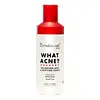
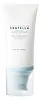
The Creme Shop What Acne? Balancing & Clarifying Toner Versus SKIN1004 Madagascar Centella Hyalu-Cica Water-Fit Sun Serum SPF50+ PA++++
This acne toner is formulated around Camellia Sinensis Leaf Extract and Salicylic Acid to clear breakouts and refine the look of pores.
This chemical sunscreen covers the full UV range and blocks ~98% of UVB at SPF 50.


What's inside
What's inside
 Key Ingredients
Benefits
Concerns
Ingredients Side-by-side
Camellia Sinensis Leaf Extract
Antimicrobial







Glycereth-26
Humectant
Methylpropanediol
SolventGlycerin
Humectant

Alcohol
Antimicrobial




Sea Water
HumectantC12-14 Pareth-12
Emulsifying1,2-Hexanediol
Skin Conditioning
Caprylyl Glycol
Emollient
Ethylhexylglycerin
Skin ConditioningHydroxyethyl Acrylate/Sodium Acryloyldimethyl Taurate Copolymer
Emulsion StabilisingCitrus Aurantium Bergamia Fruit Oil
Masking


Lavandula Angustifolia Oil
Masking
Salicylic Acid
Masking



Gluconolactone
Skin Conditioning
Disodium EDTA
Sophora Flavescens Extract
Skin ConditioningTerminalia Chebula Fruit Extract
Skin ConditioningCamellia Japonica Leaf Extract
Skin Conditioning3-O-Ethyl Ascorbic Acid
Skin Conditioning
Water
Skin ConditioningButylene Glycol
Humectant
Calendula Officinalis Flower Extract
Masking
Forsythia Suspensa Fruit Extract
Antioxidant
Dictyopteris Polypodioides Extract
EmollientLaminaria Japonica Extract
Skin Protecting
Sodium Hyaluronate
Humectant
Tocopheryl Acetate
Antioxidant
Hamamelis Virginiana Extract
Antiseborrhoeic
Camellia Sinensis Leaf Extract, Glycereth-26, Methylpropanediol, Glycerin, Alcohol, Sea Water, C12-14 Pareth-12, 1,2-Hexanediol, Caprylyl Glycol, Ethylhexylglycerin, Hydroxyethyl Acrylate/Sodium Acryloyldimethyl Taurate Copolymer, Citrus Aurantium Bergamia Fruit Oil, Lavandula Angustifolia Oil, Salicylic Acid, Gluconolactone, Disodium EDTA, Sophora Flavescens Extract, Terminalia Chebula Fruit Extract, Camellia Japonica Leaf Extract, 3-O-Ethyl Ascorbic Acid, Water, Butylene Glycol, Calendula Officinalis Flower Extract, Forsythia Suspensa Fruit Extract, Dictyopteris Polypodioides Extract, Laminaria Japonica Extract, Sodium Hyaluronate, Tocopheryl Acetate, Hamamelis Virginiana Extract
Water
Skin ConditioningDibutyl Adipate
EmollientPropanediol
Solvent
Diethylamino Hydroxybenzoyl Hexyl Benzoate
UV Filter
Polymethylsilsesquioxane

Ethylhexyl Triazone
UV Absorber
Methylene Bis-Benzotriazolyl Tetramethylbutylphenol
UV Filter
Niacinamide
Smoothing

Coco-Caprylate/Caprate
Emollient
Caprylyl Methicone
Skin Conditioning
Diethylhexyl Butamido Triazone
UV Absorber
Glycerin
Humectant
1,2-Hexanediol
Skin Conditioning
Butylene Glycol
Humectant
Pentylene Glycol
Skin Conditioning
Behenyl Alcohol
Emollient
Poly C10-30 Alkyl Acrylate
Emulsion StabilisingPolyglyceryl-3 Methylglucose Distearate
Emulsifying
Decyl Glucoside
Cleansing
Tromethamine
BufferingCarbomer
Emulsion StabilisingAcrylates/C10-30 Alkyl Acrylate Crosspolymer
Emulsion StabilisingSodium Stearoyl Glutamate
CleansingPolyacrylate Crosspolymer-6
Emulsion StabilisingEthylhexylglycerin
Skin ConditioningAdenosine
Skin Conditioning
Xanthan Gum
EmulsifyingCentella Asiatica Extract
Cleansing
T-Butyl Alcohol
Perfuming
Sodium Hyaluronate
Humectant
Betula Platyphylla Japonica Bark Extract
Skin ConditioningTocopherol
Antioxidant
Hydrolyzed Hyaluronic Acid
Humectant
Camellia Sinensis Leaf Extract
Antimicrobial
Ginkgo Biloba Leaf Extract
Skin Conditioning
Brassica Oleracea Italica Sprout Extract
EmollientCamellia Japonica Leaf Extract
Skin ConditioningEruca Sativa Leaf Extract
Skin ConditioningMedicago Sativa Extract
TonicTriticum Vulgare Sprout Extract
Skin ConditioningInositol
Humectant
Hyaluronic Acid
Humectant
Water, Dibutyl Adipate, Propanediol, Diethylamino Hydroxybenzoyl Hexyl Benzoate, Polymethylsilsesquioxane, Ethylhexyl Triazone, Methylene Bis-Benzotriazolyl Tetramethylbutylphenol, Niacinamide, Coco-Caprylate/Caprate, Caprylyl Methicone, Diethylhexyl Butamido Triazone, Glycerin, 1,2-Hexanediol, Butylene Glycol, Pentylene Glycol, Behenyl Alcohol, Poly C10-30 Alkyl Acrylate, Polyglyceryl-3 Methylglucose Distearate, Decyl Glucoside, Tromethamine, Carbomer, Acrylates/C10-30 Alkyl Acrylate Crosspolymer, Sodium Stearoyl Glutamate, Polyacrylate Crosspolymer-6, Ethylhexylglycerin, Adenosine, Xanthan Gum, Centella Asiatica Extract, T-Butyl Alcohol, Sodium Hyaluronate, Betula Platyphylla Japonica Bark Extract, Tocopherol, Hydrolyzed Hyaluronic Acid, Camellia Sinensis Leaf Extract, Ginkgo Biloba Leaf Extract, Brassica Oleracea Italica Sprout Extract, Camellia Japonica Leaf Extract, Eruca Sativa Leaf Extract, Medicago Sativa Extract, Triticum Vulgare Sprout Extract, Inositol, Hyaluronic Acid
Reviews
Ingredients Explained
These ingredients are found in both products.
Ingredients higher up in an ingredient list are typically present in a larger amount.
1,2-Hexanediol is a synthetic liquid and another multi-functional powerhouse.
It is a:
- Humectant, drawing moisture into the skin
- Emollient, helping to soften skin
- Solvent, dispersing and stabilizing formulas
- Preservative booster, enhancing the antimicrobial activity of other preservatives
Butylene Glycol (or BG) is used within cosmetic products for a few different reasons:
Overall, Butylene Glycol is a safe and well-rounded ingredient that works well with other ingredients.
Though this ingredient works well with most skin types, some people with sensitive skin may experience a reaction such as allergic rashes, closed comedones, or itchiness.
Learn more about Butylene GlycolCamellia Japonica Leaf Extract comes from the leaves of the Japanese camellia plant (tsubaki).
The leaves are packed with polyphenols, flavonoids, and some extra goodies like squalene and lupeol, that give it antioxidant and skin soothing properties.
Lab work shows that a butylene glycol extract of young camellia leaves mopped up radicals, reduced protein damage in the stratum corneum after UVB exposure, and lowered free-radical levels inside culture skin cells.
Another related whole-plant extract calmed inflammatino and boosted the skin's own antioxidant enzymes in a mouse eczema model.
Concentration uses typically range from 0.1-5% as a botanical extract.
There are no published case reports of allergic contact dermatitis to this ingredient and one report noted that camellia leaf extracts are used topically without reported irritation issues. But like any botanical extract, patch testing is sensible if you react to plant extracts generally.
On allergies: there are no published case reports of allergic contact dermatitis to this ingredient, and one review notes camellia leaf and flower extracts are used topically without reported irritation issues; the theoretical concerns are its tannins and saponins, which can be sensitizing at high levels, so patch testing is sensible if you react to plant extracts generally, but the risk looks low.
Learn more about Camellia Japonica Leaf ExtractCamellia Sinensis Leaf Extract (tea extract) is one of the most well-researched plant extracts in skincare with an impressive resume.
Black tea, green tea, and oolong tea are all harvested from the Camellia Sinensis plant.
Studies show green tea extract and its catechins (like epigallocatechin gallate (EGCG)) help your skin cells product energy more efficiently and reducing the number of free-radicals that can damage your skin from the inside.
In lab-grown skin models, this translated to younger, healthier, and stronger skin.
There's also good sun protection data; researchers saw less DNA damage and redness on human skin when green tea was applied before UVB exposure. And the more they applied, the better the protection.
Needless to say, this ingredient shouldn't replace your sunscreen. But it is a great supportive ingredient that you can already find in many sunscreens and antioxidant serums.
A 2009 study found a 2% green tea lotion was effective for mild-to-moderate acne thanks to its anti-inflammatory and mild antimicrobial activity.
The quality of the extract matters a lot here:
Good extracts contain 50-90% catechins while lower quality ones are mostly there for marketing. We recommend reaching out to the brand if you have questions about the quality or source of their ingredients.
Human Repeated Insult Patch Testing showed no irritation or sensitization at use concentrations (0.86% in leave-on products and up to 30% as leaf water).
Learn more about Camellia Sinensis Leaf ExtractEthylhexylglycerin is created from glycerin. It is a multitasker ingredient that:
The CIR Expert Panel found minimal skin absorption or sensitization of any kind in a safety assessment. Though this ingredient is considered well-tolerated, a small number of cases of allergic dermatitis have been published since 2002. Just be sure to patch test if you are unsure.
Industry-reported use ranges from 8% in rinse-off products and 2% in leave-on formulations.
Learn more about EthylhexylglycerinGlycerin (or glycerol) is a compound naturally found in your skin. It's a powerhouse humectant that pulls water into the stratum corneum.
Topically, glycerin does several things at once:
Your skin makes glycerin on its own (mostly from sebaceous oil breakdown) and shuttles it to your outermost layer of skin, or your epidermis, via aquaporin-3.
Aquaporin-3 is a transporter that is essential for normal skin hydration, elasticity, and repair. Interestingly, mice lacking in AQP3 have dry and less elastic skin that can be fully corrected with glycerin.
This ingredient is non-irritating, plays well with almost every ingredient, and works across all skin types. Typical use is anywhere between 3-10% but can go up to 79% in some leave-on products.
Just know very high concentrations (>40%) can feel tacky in low humidity.
Glycerin is the name for this ingredient in American English. British English uses Glycerol/Glycerine.
Learn more about GlycerinSodium Hyaluronate is the salt form of hyaluronic acid. It is a long sugar chain that is naturally found in your skin, joints, and connective tissue that maintains hydration and elasticity.
In skincare, it works as a humectant. It pulls water from the environment and deeper layers of skin and binds it to the surface.
Interestingly, the size of the molecule affects its behavior:
Some clinical evidence links low molecular weight versions to improved wrinkle depth, elasticity, anti-inflammatory effects, and barrier repair.
Many serums use a blend of both weights so you can get surface hydration plus longer-lasting and deeper effects.
You'll typically see concentrations between 0.1-2% for this ingredient.
Learn more about Sodium HyaluronateWater. It's the most common cosmetic ingredient of all. You'll usually see it at the top of ingredient lists, meaning that it makes up the largest part of the product.
So why is it so popular? Water most often acts as a solvent - this means that it helps dissolve other ingredients into the formulation.
You'll also recognize water as that liquid we all need to stay alive. If you see this, drink a glass of water. Remember to stay hydrated!
Learn more about Water

