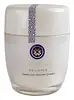
This smoothing exfoliator is formulated around Papain and Oryza Sativa Bran to refine skin texture.
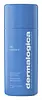
This smoothing exfoliator is formulated around Papain and Avena Sativa Kernel Extract to refine skin texture.

What's inside
What's inside
 Key Ingredients
Benefits
Concerns
Ingredients Side-by-side
Microcrystalline Cellulose
AbsorbentOryza Sativa Powder
Sodium Lauryl Phosphate
EmulsifyingSodium Palmoyl Glutamate
CleansingSodium Lauroyl Glutamate
SurfactantLauryl Betaine
CleansingSodium Lauroyl Methylaminopropionate
CleansingCamellia Sinensis Leaf
Perfuming




Papain
Skin Conditioning
Oryza Sativa Bran
Abrasive
Sericin
Skin ConditioningHydrolyzed Silk
Humectant
Propanediol
Solvent
Dextrin
AbsorbentPhytosteryl/Octyldodecyl Lauroyl Glutamate
Skin ConditioningEthylhexylglycerin
Skin ConditioningTocopherol
Antioxidant



Propyl Alcohol
Solvent
Alcohol
Antimicrobial



Phenoxyethanol
Preservative
Microcrystalline Cellulose, Oryza Sativa Powder, Sodium Lauryl Phosphate, Sodium Palmoyl Glutamate, Sodium Lauroyl Glutamate, Lauryl Betaine, Sodium Lauroyl Methylaminopropionate, Camellia Sinensis Leaf, Papain, Oryza Sativa Bran, Sericin, Hydrolyzed Silk, Propanediol, Dextrin, Phytosteryl/Octyldodecyl Lauroyl Glutamate, Ethylhexylglycerin, Tocopherol, Propyl Alcohol, Alcohol, Phenoxyethanol
Sodium Cocoyl Isethionate
Cleansing
Microcrystalline Cellulose
AbsorbentSodium Bicarbonate
Abrasive
Sorbitol
Humectant
Zea Mays Starch
Absorbent
Sodium Cocoyl Glutamate
Cleansing
Saccharomyces Ferment
Skin Conditioning
Oryza Sativa Starch
AbsorbentMagnesium Oxide
AbsorbentCitric Acid
Buffering
Tapioca Starch
Avena Sativa Kernel Protein
Skin ConditioningCamellia Oleifera Seed Extract
AstringentSilica
Abrasive
Cocos Nucifera Fruit Extract
Emollient
Inulin
Skin Conditioning
Cassia Hydroxypropyltrimonium Chloride
Silybum Marianum Seed Oil
Skin Conditioning
Kaolin
Abrasive
Lauryl Methacrylate/Glycol Dimethacrylate Crosspolymer
Papain
Skin Conditioning
Hyaluronic Acid
Humectant

Avena Sativa Kernel Extract
Abrasive
Helianthus Annuus Seed Oil
Emollient
Avena Sativa Bran Extract
Abrasive
Glycine Soja Oil
Emollient

Citrus Aurantium Dulcis Peel Extract
Emulsion Stabilising
Vitis Vinifera Fruit Extract
Skin ConditioningCitrus Aurantium Bergamia Fruit Oil
Masking
Aniba Rosodora Wood Oil
Astringent
Salvia Sclarea Oil
Masking
Eucalyptus Globulus Leaf Oil
Perfuming
Chamomilla Recutita Flower Oil
Masking
Cucurbita Pepo Fruit Extract
Skin Conditioning
Cucumis Sativus Fruit Extract
Emollient
Perilla Ocymoides Leaf Extract
TonicDaucus Carota Sativa Root Extract
Skin Conditioning
Sea Salt
Abrasive
Juniperus Virginiana Oil
Masking
Alpha-Glucan Oligosaccharide
Cleansing
Tocopherol
Antioxidant
Castoryl Maleate
Skin ConditioningCaprylyl Glycol
Emollient
Allantoin
Skin Conditioning
Diglycerin
Humectant
Maltodextrin
Absorbent
Lauroyl Lysine
Skin Conditioning
Arginine
Masking
Saccharide Isomerate
Humectant
Sodium Lauroyl Glutamate
SurfactantBeta-Carotene
Skin ConditioningXanthan Gum
EmulsifyingEthylhexylglycerin
Skin Conditioning1,2-Hexanediol
Skin Conditioning
Hydroxypropyl Methylcellulose
Emulsion StabilisingDextrin
AbsorbentSodium Palmitate
CleansingSodium Chloride
MaskingAcacia Senegal Gum
MaskingSodium Citrate
BufferingWater
Skin ConditioningO-Cymen-5-Ol
Antimicrobial
Limonene
Perfuming
Linalool
Perfuming
Sodium Cocoyl Isethionate, Microcrystalline Cellulose, Sodium Bicarbonate, Sorbitol, Zea Mays Starch, Sodium Cocoyl Glutamate, Saccharomyces Ferment, Oryza Sativa Starch, Magnesium Oxide, Citric Acid, Tapioca Starch, Avena Sativa Kernel Protein, Camellia Oleifera Seed Extract, Silica, Cocos Nucifera Fruit Extract, Inulin, Cassia Hydroxypropyltrimonium Chloride, Silybum Marianum Seed Oil, Kaolin, Lauryl Methacrylate/Glycol Dimethacrylate Crosspolymer, Papain, Hyaluronic Acid, Avena Sativa Kernel Extract, Helianthus Annuus Seed Oil, Avena Sativa Bran Extract, Glycine Soja Oil, Citrus Aurantium Dulcis Peel Extract, Vitis Vinifera Fruit Extract, Citrus Aurantium Bergamia Fruit Oil, Aniba Rosodora Wood Oil, Salvia Sclarea Oil, Eucalyptus Globulus Leaf Oil, Chamomilla Recutita Flower Oil, Cucurbita Pepo Fruit Extract, Cucumis Sativus Fruit Extract, Perilla Ocymoides Leaf Extract, Daucus Carota Sativa Root Extract, Sea Salt, Juniperus Virginiana Oil, Alpha-Glucan Oligosaccharide, Tocopherol, Castoryl Maleate, Caprylyl Glycol, Allantoin, Diglycerin, Maltodextrin, Lauroyl Lysine, Arginine, Saccharide Isomerate, Sodium Lauroyl Glutamate, Beta-Carotene, Xanthan Gum, Ethylhexylglycerin, 1,2-Hexanediol, Hydroxypropyl Methylcellulose, Dextrin, Sodium Palmitate, Sodium Chloride, Acacia Senegal Gum, Sodium Citrate, Water, O-Cymen-5-Ol, Limonene, Linalool
Reviews
Alternatives
Ingredients Explained
These ingredients are found in both products.
Ingredients higher up in an ingredient list are typically present in a larger amount.
Dextrin is a starch-derived polysaccharide. It's made by partially breaking down corn, potato, or other plant starches.
Think of it as "half-processed" starch; it's less complex than the original but not fully broken down into sugar like maltodextrin.
In cosmetics, it mainly functions as a bulking agent, viscosity controller, binder, and absorbent. It helps thicken products, stabilize powders, and get certain textures a less "wet" feel.
This ingredient has a pretty solid safety profile; it's recognized as a safe food additive and its large molecular size means it doesn't meaningfully penetrate skin.
Human repeat insult patch tests using a rinse-off facial product containing 42.69% dextrin found no skin irritation or sensitization in 54 subjects.
Typical real-world usage is much lower: usually under 1% as a texture modifier and up to 40% in masks (rinse off products use less).
Learn more about DextrinEthylhexylglycerin is created from glycerin. It is a multitasker ingredient that:
The CIR Expert Panel found minimal skin absorption or sensitization of any kind in a safety assessment. Though this ingredient is considered well-tolerated, a small number of cases of allergic dermatitis have been published since 2002. Just be sure to patch test if you are unsure.
Industry-reported use ranges from 8% in rinse-off products and 2% in leave-on formulations.
Learn more about EthylhexylglycerinMicrocrystalline Cellulose is another name for refined wood pulp. It is used as an emulsifier and mattifying ingredient. As an emulsifier, it helps keep ingredients together.
Papain is a proteolytic enzyme extracted from unripe papaya fruit. It is a gentle exfoliator that helps remove the dead skin cells from your outermost layer of skin.
Basically, papain works by dissolving the "glue" holding dead skin cells to your skin's surface. This also promotes cell turnover and smooths texture.
Unlike other exfoliants, papain can work without causing significant irritation.
Beyond exfoliation, its proteolytic action also helps soothe irritated skin and supports the healing of minor wounds.
A 2024 in vivo/in vitro study confirmed its potential to suppress skin inflammation and improve transepidermal water loss (TEWL) in atopic dermatitis models.
Just one thing worth noting: there are reports of allergic responses in individuals with a papaya or latex sensitivity. Be sure to patch test if you're in this camp.
Learn more about PapainSodium Lauroyl Glutamate is an amino-acid based mild surfactant that is used in formulas as a primary or secondary cleansing agent. This means it helps lift away oil, dirt, and makeup.
You'll see this ingredient in facial cleansers, shampoos, and even toothpaste because it foams reasonably well while being much gentler than harsher surfactants like SLS.
A study comparing surfactant mixtures found that Sodium Lauroyl Glutamate caused visibly less disruption to skin lipid structure and less irritation than SLS when tested on human subjects; this correlated with the data from in vivo results as well.
The Tenside, Surfactants, Detergents cosmetics industry journal has also concluded that amino acid based surfactants are generally milder than their corresponding alkyl sulfate counterparts. They also stated glutamates in particular are considered one of the gentler options in the category.
The Cosmetic Ingredient Review (CIR) Expert Panel has reviewed dermal irritation and sensitization data for this ingredient at the highest reported use concentration and concluded it to be safe in present practices.
Typical use concentrations tend to run low (generally less than 10%) though the CIR's review noted the highest reported use concentration was 40% as a raw material blend (and not a diluted finished cosmetic product).
Learn more about Sodium Lauroyl GlutamateTocopherol is a fat-soluble antioxidant known as Vitamin E.
You'll find this ingredient in the vast majority of skincare (for good reason). It works to neutralize free radicals, or unstable molecules generated by UV exposure, pollution, and other environmental stressors, before they can cause oxidative damage to your skin cells.
Topically applied tocopherol has been shown to protect against UV damage by ramping up the skin's own natural defense enzymes.
It also acts as a skin conditioning agent; some studies show that regular topical use can improve the skin's water-binding capacity over 2-4 weeks.
This ingredient is especially loved for being a team player. When combined with Vitamin C, the photoprotective effect of both ingredients roughly doubles and the combo also helps reduce UV-induced DNA damage.
This ingredient has some brightening potential but it's more of a prevention ingredient than spot-fader. Cell studies show it can slow down melanin production but it's worth noting that it's not the most powerful brightener out there.
In formulations, it also serves as a stabilizer that helps protect other oxidation-prone ingredients from degrading.
Concentrations usually range from 0.1-1% in most leave-on products.
Learn more about Tocopherol

