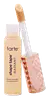
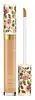
Tarte Shape Tape Radiant Medium Coverage Concealer Versus Gucci Concentré De Beauté Multi-Use Concealer


What's inside
What's inside
 Key Ingredients
Benefits
Concerns
Ingredients Side-by-side
Water
Skin ConditioningButylene Glycol
Humectant

Butylene Glycol Dicaprylate/Dicaprate
EmollientDipropylene Glycol
HumectantHydrogenated Polydecene
EmollientPhenyl Trimethicone
Skin Conditioning
Polyglyceryl-4 Diisostearate/Polyhydroxystearate/Sebacate
Emulsifying

Glycerin
Humectant
Dibutyl Adipate
EmollientDiisostearyl Malate
EmollientHydrogenated Castor Oil Isostearate
Skin Conditioning
Squalane
Emollient
Tridecyl Trimellitate
EmollientDimethicone
Emollient
Mica
Cosmetic ColorantCaprylic/Capric Triglyceride
Masking
Magnesium Sulfate
Polyglyceryl-3 Oleate
Emulsifying
Diamond Powder
Abrasive
Hippophae Rhamnoides Fruit Oil
Skin Protecting
Hippophae Rhamnoides Seed Oil
Skin Protecting
Niacinamide
Smoothing







Camellia Sinensis Leaf Extract
Antimicrobial
Hydrolyzed Collagen
Emollient
Centella Asiatica Extract
Cleansing
Glycyrrhiza Glabra Root Extract
Bleaching
Opuntia Vulgaris Extract
Skin ConditioningPanax Ginseng Root Extract
Emollient
Sodium Hyaluronate
Humectant
Synthetic Fluorphlogopite
Disteardimonium Hectorite
StabilisingDiisostearoyl Polyglyceryl-3 Dimer Dilinoleate
Emollient
Ethylene/Propylene Copolymer
Abrasive
Vinyl Dimethicone/Methicone Silsesquioxane Crosspolymer
Dimethicone/Vinyl Dimethicone Crosspolymer
Skin Conditioning
Synthetic Beeswax
Emulsion Stabilising
Triethoxycaprylylsilane
Aluminum Hydroxide
EmollientSodium Benzoate
Masking
Potassium Sorbate
Preservative
Trisodium Ethylenediamine Disuccinate
Ethylhexylglycerin
Skin ConditioningTin Oxide
Abrasive
Glycine Soja Oil
Emollient


1,2-Hexanediol
Skin Conditioning
Polymethylsilsesquioxane
Benzyl Salicylate
Perfuming



Hexyl Cinnamal
Perfuming
Limonene
Perfuming
Hydroxycitronellal
Perfuming
Geraniol
Perfuming
Amyl Cinnamal
Perfuming
Linalool
Perfuming
Tocopherol
Antioxidant
Phenoxyethanol
Preservative
Parfum
Masking
CI 77891
Cosmetic ColorantIron Oxides
Water, Butylene Glycol, Butylene Glycol Dicaprylate/Dicaprate, Dipropylene Glycol, Hydrogenated Polydecene, Phenyl Trimethicone, Polyglyceryl-4 Diisostearate/Polyhydroxystearate/Sebacate, Glycerin, Dibutyl Adipate, Diisostearyl Malate, Hydrogenated Castor Oil Isostearate, Squalane, Tridecyl Trimellitate, Dimethicone, Mica, Caprylic/Capric Triglyceride, Magnesium Sulfate, Polyglyceryl-3 Oleate, Diamond Powder, Hippophae Rhamnoides Fruit Oil, Hippophae Rhamnoides Seed Oil, Niacinamide, Camellia Sinensis Leaf Extract, Hydrolyzed Collagen, Centella Asiatica Extract, Glycyrrhiza Glabra Root Extract, Opuntia Vulgaris Extract, Panax Ginseng Root Extract, Sodium Hyaluronate, Synthetic Fluorphlogopite, Disteardimonium Hectorite, Diisostearoyl Polyglyceryl-3 Dimer Dilinoleate, Ethylene/Propylene Copolymer, Vinyl Dimethicone/Methicone Silsesquioxane Crosspolymer, Dimethicone/Vinyl Dimethicone Crosspolymer, Synthetic Beeswax, Triethoxycaprylylsilane, Aluminum Hydroxide, Sodium Benzoate, Potassium Sorbate, Trisodium Ethylenediamine Disuccinate, Ethylhexylglycerin, Tin Oxide, Glycine Soja Oil, 1,2-Hexanediol, Polymethylsilsesquioxane, Benzyl Salicylate, Hexyl Cinnamal, Limonene, Hydroxycitronellal, Geraniol, Amyl Cinnamal, Linalool, Tocopherol, Phenoxyethanol, Parfum, CI 77891, Iron Oxides
Cyclopentasiloxane
Emollient
Water
Skin ConditioningButylene Glycol
Humectant
Talc
Abrasive
Trimethylsiloxysilicate
Emollient
Cetyl PEG/PPG-10/1 Dimethicone
Emulsifying
Caprylic/Capric Triglyceride
Masking
Cetearyl Ethylhexanoate
Emollient
Acrylates Crosspolymer
AbsorbentAmmonium Acrylates Copolymer
Dimethicone/Vinyl Dimethicone Crosspolymer
Skin Conditioning
Dipalmitoyl Hydroxyproline
Skin Conditioning
Magnesium Sulfate
Polymethyl Methacrylate
Tribehenin
Emollient
Disteardimonium Hectorite
StabilisingLecithin
Emollient
Laureth-7
EmulsifyingTriethoxycaprylylsilane
Phenoxyethanol
Preservative
Trihydroxystearin
Skin Conditioning
Chlorphenesin
Antimicrobial
Alcohol Denat.
Antimicrobial

Propylene Carbonate
SolventXanthan Gum
EmulsifyingSodium Hyaluronate
Humectant
Disodium Deceth-6 Sulfosuccinate
CleansingAcmella Oleracea Extract
Skin ProtectingLaureth-30
CleansingSodium Dehydroacetate
Preservative
Rosa Hybrid Flower Extract
Skin ConditioningPentaerythrityl Tetra-Di-T-Butyl Hydroxyhydrocinnamate
Antioxidant
CI 77891
Cosmetic ColorantIron Oxides
Cyclopentasiloxane, Water, Butylene Glycol, Talc, Trimethylsiloxysilicate, Cetyl PEG/PPG-10/1 Dimethicone, Caprylic/Capric Triglyceride, Cetearyl Ethylhexanoate, Acrylates Crosspolymer, Ammonium Acrylates Copolymer, Dimethicone/Vinyl Dimethicone Crosspolymer, Dipalmitoyl Hydroxyproline, Magnesium Sulfate, Polymethyl Methacrylate, Tribehenin, Disteardimonium Hectorite, Lecithin, Laureth-7, Triethoxycaprylylsilane, Phenoxyethanol, Trihydroxystearin, Chlorphenesin, Alcohol Denat., Propylene Carbonate, Xanthan Gum, Sodium Hyaluronate, Disodium Deceth-6 Sulfosuccinate, Acmella Oleracea Extract, Laureth-30, Sodium Dehydroacetate, Rosa Hybrid Flower Extract, Pentaerythrityl Tetra-Di-T-Butyl Hydroxyhydrocinnamate, CI 77891, Iron Oxides
Ingredients Explained
These ingredients are found in both products.
Ingredients higher up in an ingredient list are typically present in a larger amount.
Butylene Glycol (or BG) is used within cosmetic products for a few different reasons:
Overall, Butylene Glycol is a safe and well-rounded ingredient that works well with other ingredients.
Though this ingredient works well with most skin types, some people with sensitive skin may experience a reaction such as allergic rashes, closed comedones, or itchiness.
Learn more about Butylene GlycolCaprylic/Capric Triglyceride (aka MCT Oil) is a lightweight emollient, solvent, and texture enhancer. It is considered a skin-softener by helping to prevent moisture loss.
Though it behaves like an oil, it is not technically one due to its chemical composition. One perk of this ingredient is that it is very stable, resistant to oxidation, and unlikely to go rancid.
In practice, that translates to a long shelf life and a consistently elegant skin feel.
While there is an assumption Caprylic Triglyceride can clog pores due to it being derived from coconut oil, there is no research supporting this. Just patch test if you have concerns.
Fractionated coconut oil and MCT Oil are both listed as Caprylic/Capric Triglyceride according to INCI. This is because INCI names are based on the ingredient’s final chemical composition and not its marketing name or source.
This ingredient is treated as the gold standard fungal acne safe oil. Even though it is coconut derived, the problematic lauric acid is stripped out.
This leaves just caprylic (C8) and capric (C10) acid. These chain lengths actually trend antifungal; a 2020 study found caprylic acid was enough to disrupt Malassezia furfur cell membrane, with a caprylic acid derivative damaging membrane structures at concentrations as low as 0.2%.
Learn more about Caprylic/Capric TriglycerideCi 77891 is a white pigment from Titanium dioxide. It is naturally found in minerals such as rutile and ilmenite.
It's main function is to add a white color to cosmetics. It can also be mixed with other colors to create different shades.
Ci 77891 is commonly found in sunscreens due to its ability to block UV rays.
Learn more about CI 77891This ingredient is a silicone elastomer that works as a texture enhancer, adds a silky slip, and also helps absorb excess oil.
Because it's a large macromolecule that's insoluble in water and chemically inert, it's not expected to penetrate or be absorbed into skin.
Human patch tests with a facial lotion containing 1% of this ingredient found no sensitization.
Learn more about Dimethicone/Vinyl Dimethicone CrosspolymerDisteardimonium Hectorite comes from the clay mineral named hectorite. It is used to add thickness to a product.
It can also help stabilize a product by helping to disperse other ingredients.
Hectorite is a rare, white clay mineral.
Learn more about Disteardimonium HectoriteMagnesium Sulfate is a salt. More specifically, it is an epsom salt, or the bath salt used to help relieve muscle aches.
Despite having ‘sulfate’ in the name, it isn’t a surfactant or cleansing agent like sodium lauryl sulfate. Unlike those sulfates, magnesium sulfate doesn’t have the same cleansing or foaming properties (it's simply a type of salt).
In cosmetics, Magnesium Sulfate is used to thicken a product or help dilute other solids. It is a non-reactive and non-irritating ingredient.
One study shows magnesium deficiency may lead to inflammation of the skin. Applying magnesium topically may help reduce inflammation.
You can find this ingredient in sea water or mineral deposits.
Learn more about Magnesium SulfatePhenoxyethanol is one of the most widely used preservatives in skincare (and for good reason!).
It has a large spectrum of antimicrobial activity and especially effective bacteria, yeast, and mold while only having a weak effect on your skin's natural microbiome.
On a cellular level, it disrupts the cell membranes of microbes by poking holes that make the cell leak. This shuts down the chemical reactions the microbe needs to make energy so it can no longer survive.
Another perk of this ingredient is that it stays functional across a wide pH range (3-10).
You'll often see it paired with boosters like Ethylhexylglycerin; one study showed that a 1:9 ratio of Ethylhexylglycerin to Phenoxyethanol damages bacterial membranes as effectively as doubling the Phenoxyethanol concentration on its own.
Typical use concentrations range from 0.3-1% depending on the formula, and this ingredient is capped at 1% int the EU.
Safety-wise, the fear mongering does not hold up to the evidence. The EU's Scientific Committee on Consumer Safety and FDA consider it safe as a preservative at up to 1%, including for children of all ages.
Adverse systemic effects only showed up in animal studies at exposures roughly 200x higher than what people get from cosmetics. And despite its very widespread use, this ingredient is a rare sensitizer and allergic reactions are uncommon.
Learn more about PhenoxyethanolSodium Hyaluronate is the salt form of hyaluronic acid. It is a long sugar chain that is naturally found in your skin, joints, and connective tissue that maintains hydration and elasticity.
In skincare, it works as a humectant. It pulls water from the environment and deeper layers of skin and binds it to the surface.
Interestingly, the size of the molecule affects its behavior:
Some clinical evidence links low molecular weight versions to improved wrinkle depth, elasticity, anti-inflammatory effects, and barrier repair.
Many serums use a blend of both weights so you can get surface hydration plus longer-lasting and deeper effects.
You'll typically see concentrations between 0.1-2% for this ingredient.
Learn more about Sodium HyaluronateTriethoxycaprylylsilane is a silicon-based surface modifier that makes sunscreens feel silky and makeup stay put.
Its main job is to coat mineral particles like titanium dioxide, zinc oxide, and color pigments in a thin, oily layer so they spread smoothly, don't clump, and stick to skin better.
This ingredient is typically used at low levels (up to 2.5% in eyeshadow and 1% in lipstick).
Learn more about TriethoxycaprylylsilaneWater. It's the most common cosmetic ingredient of all. You'll usually see it at the top of ingredient lists, meaning that it makes up the largest part of the product.
So why is it so popular? Water most often acts as a solvent - this means that it helps dissolve other ingredients into the formulation.
You'll also recognize water as that liquid we all need to stay alive. If you see this, drink a glass of water. Remember to stay hydrated!
Learn more about WaterThis ingredient is a combination of red, black, and yellow iron oxide pigments. This combination of colors is usually found in foundation, because it results in a "skin" color.
The EU typically uses CI numbers for colorants when applicable, such as CI 77489. In the US, iron oxides are regulated as color additives and "iron oxides" is the most commonly used name in US cosmetic practice.
A 2021 paper looked at skincare formulations containing iron oxides and found that they reduced transmission of blue light when measured optically. In simple terms, the pigment particles helped block or scatter part of the visible light spectrum in lab testing and the authors suggest this could translate into better protection against blue-light-related skin effects.
There is also clinical and experimental research showing that tinted products containing iron oxides can reduce visible light-induced pigmentation:
Please note, whether a product reduces visible or blue light depends on things like:
In the EU's CosIng database, iron oxides are only listed as a colorant. CosIng groups ingredients by their main cosmetic role, such as colorant, preservative, or UV filter.
Though studies say iron oxides can "attenuate blue light", they're describing an optical property and not an officially recognized cosmetic function.
So CosIng isn’t contradicting the research. It’s just classifying iron oxides by what they officially are: pigments that add color.
Learn more about Iron Oxides

