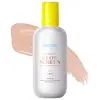
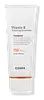
Supergoop! Mineral Glowscreen Soft-Radiance Drops SPF 40 PA+++ Versus COSRX Vitamin E Vitalizing Sunscreen SPF 50+
This mineral sunscreen covers the full UV range and blocks ~98% of UVB at SPF 40.
This chemical sunscreen covers most of the UV range, lighter on the deep UVA that drives aging.


What's inside
What's inside
 Key Ingredients
Benefits
Concerns
Ingredients Side-by-side
Zinc Oxide 15.11%
Cosmetic Colorant


Water
Skin ConditioningEthylhexyl Palmitate
Emollient




Caprylic/Capric Triglyceride
Masking


Propanediol
Solvent
Dimethicone
Emollient

Polyglyceryl-3 Polyricinoleate
Emulsifying
Sorbitan Isostearate
Emulsifying
Polyglyceryl-2 Dipolyhydroxystearate
Skin Conditioning
Fragaria Ananassa Seed Oil
Antioxidant

Pongamia Pinnata Seed Extract
Skin ConditioningClitoria Ternatea Flower Extract
Skin ConditioningPolyglyceryl-6 Polyricinoleate
Emulsifying
Butylene Glycol
Humectant
Polyhydroxystearic Acid
Emulsifying
Polysilicone-11
Inulin
Skin Conditioning
Magnesium Sulfate
Triethoxycaprylylsilane
Sodium Phytate
Lecithin
Emollient
Isopropyl Myristate
Emollient
Isostearic Acid
Cleansing
Gluconolactone
Skin Conditioning





Sodium Benzoate
Masking
Calcium Gluconate
HumectantIron Oxides
Titanium Dioxide
Cosmetic Colorant
Mica
Cosmetic ColorantZinc Oxide 15.11%, Water, Ethylhexyl Palmitate, Caprylic/Capric Triglyceride, Propanediol, Dimethicone, Polyglyceryl-3 Polyricinoleate, Sorbitan Isostearate, Polyglyceryl-2 Dipolyhydroxystearate, Fragaria Ananassa Seed Oil, Pongamia Pinnata Seed Extract, Clitoria Ternatea Flower Extract, Polyglyceryl-6 Polyricinoleate, Butylene Glycol, Polyhydroxystearic Acid, Polysilicone-11, Inulin, Magnesium Sulfate, Triethoxycaprylylsilane, Sodium Phytate, Lecithin, Isopropyl Myristate, Isostearic Acid, Gluconolactone, Sodium Benzoate, Calcium Gluconate, Iron Oxides, Titanium Dioxide, Mica
Water
Skin ConditioningPropanediol
Solvent
Homosalate
Skin Conditioning
Octocrylene
UV Absorber
Ethylhexyl Salicylate
UV Absorber
Butyloctyl Salicylate
Skin Conditioning
Butyl Methoxydibenzoylmethane
UV Absorber
Diphenylsiloxy Phenyl Trimethicone
Skin Conditioning
Dimethicone
Emollient
Vp/Eicosene Copolymer
Silica
Abrasive
Trisiloxane
Skin Conditioning
Cyclopentasiloxane
Emollient
Trimethylsiloxysilicate
Emollient
1,2-Hexanediol
Skin Conditioning
Behenyl Alcohol
Emollient
Glyceryl Stearate
Emollient
PEG-100 Stearate
Surfactant
C14-22 Alcohols
Emulsion Stabilising
Cetyl Alcohol
Emollient
Potassium Cetyl Phosphate
EmulsifyingPolyacrylate-13
Polyisobutene
Parfum
Masking

C12-20 Alkyl Glucoside
EmulsifyingButylene Glycol
Humectant
Disodium EDTA
Ethylhexylglycerin
Skin ConditioningPolysorbate 20
Emulsifying
Sorbitan Isostearate
Emulsifying
Dextrin
AbsorbentTheobroma Cacao Extract
Skin ConditioningGossypium Herbaceum Extract
Skin ConditioningGlucose
Humectant
Tocopherol
Antioxidant


Water, Propanediol, Homosalate, Octocrylene, Ethylhexyl Salicylate, Butyloctyl Salicylate, Butyl Methoxydibenzoylmethane, Diphenylsiloxy Phenyl Trimethicone, Dimethicone, Vp/Eicosene Copolymer, Silica, Trisiloxane, Cyclopentasiloxane, Trimethylsiloxysilicate, 1,2-Hexanediol, Behenyl Alcohol, Glyceryl Stearate, PEG-100 Stearate, C14-22 Alcohols, Cetyl Alcohol, Potassium Cetyl Phosphate, Polyacrylate-13, Polyisobutene, Parfum, C12-20 Alkyl Glucoside, Butylene Glycol, Disodium EDTA, Ethylhexylglycerin, Polysorbate 20, Sorbitan Isostearate, Dextrin, Theobroma Cacao Extract, Gossypium Herbaceum Extract, Glucose, Tocopherol
Reviews
Ingredients Explained
These ingredients are found in both products.
Ingredients higher up in an ingredient list are typically present in a larger amount.
Butylene Glycol (or BG) is used within cosmetic products for a few different reasons:
Overall, Butylene Glycol is a safe and well-rounded ingredient that works well with other ingredients.
Though this ingredient works well with most skin types, some people with sensitive skin may experience a reaction such as allergic rashes, closed comedones, or itchiness.
Learn more about Butylene GlycolDimethicone is a type of synthetic silicone created from natural materials such as quartz. It is also known as polydimethylsiloxane.
What it does:
Dimethicone comes in different viscosities:
Depending on the viscosity, dimethicone has different properties.
Ingredients lists don't always show which type is used, so we recommend reaching out to the brand if you have questions about the viscosity.
This ingredient is unlikely to cause irritation because it does not get absorbed into skin. However, people with silicone allergies should be careful about using this ingredient.
Note: Dimethicone may contribute to pilling. This is because it is not oil or water soluble, so pilling may occur when layered with products. When mixed with heavy oils in a formula, the outcome is also quite greasy.
Learn more about DimethiconePropanediol is an all-star ingredient. It softens, hydrates, and smooths the skin.
It’s often used to:
Propanediol is not likely to cause sensitivity and considered safe to use. It is derived from corn or petroleum with a clear color and no scent.
Learn more about PropanediolSorbitan Isostearate is an emulsifer. It is created from isostearic acid and sorbitol.
As an emulsifier, it keeps the water and oil ingredients from separating. This keeps formulas stable and smooth.
In a 24 hour occlusive patch test on 56 subjects, 10% sorbitan isostearate was completely non-irritating. Most formulas use less than 10%.
Because it's a fatty acid ester, it may not be fungal acne safe since the Malassezia yeast can utilize it as a nutrient source.
Learn more about Sorbitan IsostearateWater. It's the most common cosmetic ingredient of all. You'll usually see it at the top of ingredient lists, meaning that it makes up the largest part of the product.
So why is it so popular? Water most often acts as a solvent - this means that it helps dissolve other ingredients into the formulation.
You'll also recognize water as that liquid we all need to stay alive. If you see this, drink a glass of water. Remember to stay hydrated!
Learn more about Water

