This calming treatment is formulated around Bifida Ferment Lysate and Centella Asiatica Extract to calm redness and strengthen the skin barrier.
This barrier-repair ampoule is formulated around Bifida Ferment Lysate and Acetyl Hexapeptide-8 to strengthen the skin barrier and calm redness.


What's inside
What's inside
 Key Ingredients
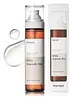
Benefits
Concerns
No concerns
Ingredients Side-by-side
Water
Skin ConditioningGlycerin
Humectant


Butylene Glycol
Humectant
Staphylococcus Epidermidis Ferment Filtrate
Humectant1,2-Hexanediol
Skin Conditioning
Methylpropanediol
SolventSaccharomyces Ferment Filtrate
Humectant


Bifida Ferment Lysate
Skin Conditioning
Centella Asiatica Extract
Cleansing

Madecassoside
Antioxidant
Asiaticoside
Antioxidant
Centella Asiatica Leaf Extract
Skin Conditioning
Nymphaea Alba Flower Extract
Skin ConditioningEpigallocatechin Gallate
Antioxidant
Camellia Sinensis Leaf Extract
Antimicrobial

Artemisia Vulgaris Extract
Skin Conditioning
Palmitoyl Hexapeptide-12
Skin Conditioning
Hydrolyzed Hyaluronic Acid
Humectant
Crithmum Maritimum Callus Culture Filtrate
Skin ProtectingNiacinamide
Smoothing


Opuntia Ficus-Indica Seed Oil
Emollient
Portulaca Oleracea Extract
Skin Conditioning
Tetradecyl Aminobutyroylvalylaminobutyric Urea Trifluoroacetate
Skin ConditioningPseudoalteromonas Ferment Extract
Humectant
Dipotassium Glycyrrhizate
Humectant
Beta-Glucan
Skin Conditioning
Adenosine
Skin Conditioning
Cynanchum Atratum Extract
Skin ConditioningLupinus Albus Seed Extract
Skin ConditioningMelia Azadirachta Flower Extract
Skin ConditioningMelia Azadirachta Leaf Extract
Skin ConditioningAlthaea Rosea Flower Extract
Skin ConditioningHelianthus Annuus Seed Oil
Emollient
Allantoin
Skin Conditioning
Tocopherol
Antioxidant
Caffeine
Skin Conditioning
Diamond Powder
Abrasive
Biotin
AntiseborrhoeicGlycine
Buffering
Proline
Skin Conditioning
Serine
Masking
Glutamic Acid
Humectant
Aspartic Acid
Masking
Leucine
Skin ConditioningAlanine
Masking
Lysine
Skin ConditioningArginine
Masking
Tyrosine
MaskingPhenylalanine
Masking
Threonine
Valine
MaskingIsoleucine
Skin ConditioningHistidine
Humectant
Cysteine
Antioxidant
Methionine
Skin ConditioningSodium Palmitoyl Proline
Skin ConditioningCitric Acid
Buffering
Sodium Citrate
BufferingTriethyl Citrate
Masking

Trisodium Ethylenediamine Disuccinate
ChelatingMagnesium Chloride
Ethylhexylglycerin
Skin ConditioningPolyglyceryl-10 Laurate
Skin Conditioning
Hydroxyacetophenone
Antioxidant
Caprylyl Glycol
Emollient
Dipropylene Glycol
HumectantWater, Glycerin, Butylene Glycol, Staphylococcus Epidermidis Ferment Filtrate, 1,2-Hexanediol, Methylpropanediol, Saccharomyces Ferment Filtrate, Bifida Ferment Lysate, Centella Asiatica Extract, Madecassoside, Asiaticoside, Centella Asiatica Leaf Extract, Nymphaea Alba Flower Extract, Epigallocatechin Gallate, Camellia Sinensis Leaf Extract, Artemisia Vulgaris Extract, Palmitoyl Hexapeptide-12, Hydrolyzed Hyaluronic Acid, Crithmum Maritimum Callus Culture Filtrate, Niacinamide, Opuntia Ficus-Indica Seed Oil, Portulaca Oleracea Extract, Tetradecyl Aminobutyroylvalylaminobutyric Urea Trifluoroacetate, Pseudoalteromonas Ferment Extract, Dipotassium Glycyrrhizate, Beta-Glucan, Adenosine, Cynanchum Atratum Extract, Lupinus Albus Seed Extract, Melia Azadirachta Flower Extract, Melia Azadirachta Leaf Extract, Althaea Rosea Flower Extract, Helianthus Annuus Seed Oil, Allantoin, Tocopherol, Caffeine, Diamond Powder, Biotin, Glycine, Proline, Serine, Glutamic Acid, Aspartic Acid, Leucine, Alanine, Lysine, Arginine, Tyrosine, Phenylalanine, Threonine, Valine, Isoleucine, Histidine, Cysteine, Methionine, Sodium Palmitoyl Proline, Citric Acid, Sodium Citrate, Triethyl Citrate, Trisodium Ethylenediamine Disuccinate, Magnesium Chloride, Ethylhexylglycerin, Polyglyceryl-10 Laurate, Hydroxyacetophenone, Caprylyl Glycol, Dipropylene Glycol
Paeonia Lactiflora Root Extract
Skin ConditioningBifida Ferment Lysate 20%
Skin Conditioning
Lactobacillus/Pumpkin Fruit Ferment Filtrate
Skin ConditioningButylene Glycol
Humectant
Glycerin
Humectant
Sodium Hyaluronate
Humectant
Lactobacillus/Soybean Ferment Extract
Skin ConditioningPhellinus Linteus Extract
Skin ConditioningAcetyl Hexapeptide-8
Humectant
Aureobasidium Pullulans Ferment
Skin ConditioningPalmitoyl Dipeptide-10
Skin Conditioning
Palmitoyl Tripeptide-1
Skin Conditioning
Corthellus Shiitake Extract
Skin ProtectingGlycyrrhiza Glabra Root Extract
Bleaching
Trametes Versicolor Extract
Copper Tripeptide-1
Skin Conditioning
Allantoin
Skin Conditioning
Panthenol
Skin Conditioning
Physalis Alkekengi Fruit Extract
Skin ConditioningCamellia Sinensis Leaf Extract
Antimicrobial
Epigallocatechin Gallate
Antioxidant
Panax Ginseng Root Extract
Emollient
Algin
MaskingForsythia Suspensa Fruit Extract
Antioxidant
Dioscorea Oppositifolia Root Extract
Skin ConditioningMethyl Gluceth-20
Humectant
Caffeine
Skin Conditioning
Caprylyl Glycol
Emollient
Scutellaria Baicalensis Root Extract
Astringent
Illicium Verum Fruit Extract
Perfuming
Adenosine
Skin Conditioning
Paeonia Lactiflora Root Extract, Bifida Ferment Lysate 20%, Lactobacillus/Pumpkin Fruit Ferment Filtrate, Butylene Glycol, Glycerin, Sodium Hyaluronate, Lactobacillus/Soybean Ferment Extract, Phellinus Linteus Extract, Acetyl Hexapeptide-8, Aureobasidium Pullulans Ferment, Palmitoyl Dipeptide-10, Palmitoyl Tripeptide-1, Corthellus Shiitake Extract, Glycyrrhiza Glabra Root Extract, Trametes Versicolor Extract, Copper Tripeptide-1, Allantoin, Panthenol, Physalis Alkekengi Fruit Extract, Camellia Sinensis Leaf Extract, Epigallocatechin Gallate, Panax Ginseng Root Extract, Algin, Forsythia Suspensa Fruit Extract, Dioscorea Oppositifolia Root Extract, Methyl Gluceth-20, Caffeine, Caprylyl Glycol, Scutellaria Baicalensis Root Extract, Illicium Verum Fruit Extract, Adenosine
Reviews
Ingredients Explained
These ingredients are found in both products.
Ingredients higher up in an ingredient list are typically present in a larger amount.
Adenosine is a purine nucleoside that your body already makes in every cell. In skincare, it acts mainly as a skin conditioning and anti-aging agent.
The way it works is fairly well mapped out:
Your skin has cells called fibroblasts that build collagen (the stuff that keeps skin firm and smooth). Adenosine basically flips a switch on these cells that tells them to get to work making more collagen and other proteins. These cells slow down on their own as skin ages, so Adenosine helps give them a little nudge to keep going.
The clinical backing is pretty solid too.
A blind, randomized, placebo-controlled trial of 126 women aged 45-65 tested a 0.1% cream twice daily and found real improvements in crow's feet and frown lines using a precise 3D skin-mapping technique; these changes showed up by week 3 and held at 2 months.
A later study using Adenosine-loaded dissolving microneedle patches reported gains in wrinkle depth, dermal density, elasticity, and hydration.
On concentrations, South Korea's Ministry of Food and Drug Safety has set 0.04% as the approved functional anti-wrinkle level. You'll typically see this ingredient used somewhere in the 0.04-0.1% range since it works at low doses.
This ingredient has been found safe for cosmetics with the data showing no irritation or sensitization.
Overall, this is a great ingredient for any anti-aging routine and has no photosensitizing effect, so it suits both AM and PM use.
Learn more about AdenosineAllantoin is a soothing ingredient known for its protective and moisturizing properties; it's basically a quiet workhorse ingredient you can find in a huge range of cosmetics.
Though it can be derived from the comfrey plant, allantoin is produced synthetically for cosmetic products to ensure purity.
Research shows it can encourage your skin cells to turn over and renew by stimulating keratinocyte and fibroblast proliferation.
It also has mild keratolytic properties to help loosen and shed dead skin cells without being harsh.
Studies also suggest allantoin can help calm inflammation by dialing down some of the chemical signals your skin sends out when it is irritated.
This ingredient is typically used in the 0.1-0.5% range, and the FDA recognizes it as a skin protectant in OTC products up to 2%.
Overall, allantoin is a wonderful addition to most routines; it is stable across a wide pH range (~4-8), works well with other ingredients, and is considered non-sensitizing/non-irritating.
Fun fact: Allantoin is naturally occurring in comfrey root, beets, chamomile, and wheat sprouts. Our bodies even produce it as a byproduct of uric acid metabolism.
Learn more about AllantoinBifida Ferment Lysate is a postbiotic ingredient made by fermenting Bifidobacterium to extract a nutrient-rich mix of peptides, amino acids, vitamins, organic acids, and polysaccharides.
These components are basically the building blocks that your skin already uses to stay hydrated, repair itself, and maintain its barrier. That's why this ingredient helps your skin hold onto moisture and stay resilient against irritation.
One in-vitro study found that this ingredient tells your skin cells to produce more of the proteins (filaggrin, loricrin, and involucrin) for building a strong and healthy barrier. This study also found this ingredient to be a solid antioxidant that helped neutralize damage against UV and pollution.
A study with people from 2010 found that sensitive, reactive skin using a cream with 10% of this ingredient for a month became noticeably less dry, less reactive, and harder to irritate compared to the group using a plain cream.
In short, this ingredient is a well-tolerated ingredient that can help with barrier repair, antioxidant protection, and calming reactive skin.
This ingredient is generally considered fungal acne (Malassezia) safe; Bifidobacterium is a bacterium, not a yeast or fungus.
The fungal acne concern with fermented ingredients mainly applies to yeast-derived ferments like Saccharomyces and Galactomyces, because those are in the same kingdom as Malassezia and could theoretically contain residual compounds that feed it.
Bifida is a completely different organism, so on its own it doesn't provide a food source for the Malassezia yeast that causes fungal acne.
Learn more about Bifida Ferment LysateButylene Glycol (or BG) is used within cosmetic products for a few different reasons:
Overall, Butylene Glycol is a safe and well-rounded ingredient that works well with other ingredients.
Though this ingredient works well with most skin types, some people with sensitive skin may experience a reaction such as allergic rashes, closed comedones, or itchiness.
Learn more about Butylene GlycolCaffeine is a naturally occurring plant compound found in coffee beans, tea leaves, cocoa pods, and guarana.
As an antioxidant, caffeine protects your skin from free radical damage caused by UV exposure and envionrmnetal stressors.
Early research also shows that caffeine can help calm redness, soothe irritated skin, and support hair growth by stimulating microcirculation in the scalp.
You might have seen eye creams marketing caffeine as a depuffing ingredient. This is because it is a vasoconstrictor meaning it can temporarily constrict blood vessels, though clinical evidence for this specific use is still limited.
Most skincare products contain this ingredient at concentrations between 1-6%. It is able to penetrate skin easily regardless of skin type or thickness.
Just so you know, a very small number of case reports describe caffeine-induced allergy. This ingredient is generally well-tolerated, non-irritating, and non-sensitizing for the majority of people.
Learn more about CaffeineCamellia Sinensis Leaf Extract (tea extract) is one of the most well-researched plant extracts in skincare with an impressive resume.
Black tea, green tea, and oolong tea are all harvested from the Camellia Sinensis plant.
Studies show green tea extract and its catechins (like epigallocatechin gallate (EGCG)) help your skin cells product energy more efficiently and reducing the number of free-radicals that can damage your skin from the inside.
In lab-grown skin models, this translated to younger, healthier, and stronger skin.
There's also good sun protection data; researchers saw less DNA damage and redness on human skin when green tea was applied before UVB exposure. And the more they applied, the better the protection.
Needless to say, this ingredient shouldn't replace your sunscreen. But it is a great supportive ingredient that you can already find in many sunscreens and antioxidant serums.
A 2009 study found a 2% green tea lotion was effective for mild-to-moderate acne thanks to its anti-inflammatory and mild antimicrobial activity.
The quality of the extract matters a lot here:
Good extracts contain 50-90% catechins while lower quality ones are mostly there for marketing. We recommend reaching out to the brand if you have questions about the quality or source of their ingredients.
Human Repeated Insult Patch Testing showed no irritation or sensitization at use concentrations (0.86% in leave-on products and up to 30% as leaf water).
Learn more about Camellia Sinensis Leaf ExtractCaprylyl Glycol is a humectant, skin conditioner, emollient, and preservative booster derived from either caprylic acid or synthetically created.
Typical use levels vary from 0.3-1% as a preservative booster and go up to 2% to condition skin.
Because it is not a free-fatty acid, this ingredient is fungal acne safe (there's nothing for Malassezia to feed on).
Learn more about Caprylyl GlycolEpigallocatechin Gallate (EGCG) is the most abundant catechin in green tea. It is a heavyweight antioxidant in the green tea family.
In skincare, it helps protect skin from photoaging damage by scavenging UV-induced reactive oxygen species and tampering down inflammatory pathways.
UV-exposed skin cells treated with EGCG showed less of the enzyme that chews up collagen, lower inflammatory signaling, and better preserved barrier function.
EGCG nudges skin cells to make more of your skin's built in moisturizing molecules, filaggrin and hyaluronic acid, for better skin hydration.
Because it inhibits melanogenesis, it also provides a mild brightening effect.
Clinically, topical EGCG has helped calm radiation-related skin irritation and scalp seborrheic dermatitis with no major side effects.
In an 8-week split-face study, topical EGCG at 1% and 5% significantly reduced inflammatory and non-inflammatory acne.
A study from 2023 on patients with Seborrhea (a chronic skin condition caused by overactive sebaceous glands) found that using a 5% EGCG cream (alone and combined with 2% L-carnitine) and found meaningful sebum reduction plus better hydration.
Just one caveat here: Most clinical trials used 1-5% concentrations and most cosmetics contain only 0.1-1%.
The only headache related to this ingredient is stability. EGCG degrades quickly with heat, light, oxygen, and higher pH.
That's why you'll usually see it in low-pH formulas (4.5-6.5) or paired with vitamin C + vitamin E to slow its degradation. Hyaluronic acid also stabilizes it and boosts its antioxidant activity.
Learn more about Epigallocatechin GallateGlycerin (or glycerol) is a compound naturally found in your skin. It's a powerhouse humectant that pulls water into the stratum corneum.
Topically, glycerin does several things at once:
Your skin makes glycerin on its own (mostly from sebaceous oil breakdown) and shuttles it to your outermost layer of skin, or your epidermis, via aquaporin-3.
Aquaporin-3 is a transporter that is essential for normal skin hydration, elasticity, and repair. Interestingly, mice lacking in AQP3 have dry and less elastic skin that can be fully corrected with glycerin.
This ingredient is non-irritating, plays well with almost every ingredient, and works across all skin types. Typical use is anywhere between 3-10% but can go up to 79% in some leave-on products.
Just know very high concentrations (>40%) can feel tacky in low humidity.
Glycerin is the name for this ingredient in American English. British English uses Glycerol/Glycerine.
Learn more about Glycerin

