Sunday Riley Peacekeeper Acne Treatment Serum Versus Sunday Riley Good Genes Glycolic Acid Treatment
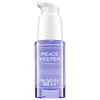
This acne serum is formulated around Salicylic Acid and Azelaic Acid to clear breakouts and calm redness.
This smoothing treatment is formulated around Glycolic Acid and Squalane to refine skin texture and brighten dull-looking skin.

What's inside
What's inside
 Key Ingredients
Benefits
Concerns
Ingredients Side-by-side
Salicylic Acid 2%
Masking










Water
Skin ConditioningAloe Barbadensis Leaf Juice
Skin Conditioning


Octyldodecanol
Emollient
Azelaic Acid
Buffering


Algin
MaskingDimethyl Isosorbide
SolventNeopentyl Glycol Diethylhexanoate
Emollient
Glycerin
Humectant
Propanediol
Solvent
Disteardimonium Hectorite
StabilisingAzelamidopropyl Dimethyl Amine
AntimicrobialSodium Polyacryloyldimethyl Taurate
Emulsion StabilisingSodium PCA
Humectant
Potassium Azeloyl Diglycinate
Skin Conditioning
Beta-Glucan
Skin Conditioning
Carrageenan


Leptospermum Scoparium Branch/Leaf Oil
Tonic
Magnolia Officinalis Bark Extract
Antimicrobial
Piper Nigrum Seed Extract
RefreshingSodium Hyaluronate Crosspolymer
Humectant
Potassium Hydroxide
BufferingPhenoxyethanol
Preservative
Propylene Carbonate
SolventKaolin
Abrasive
Hydroxyethyl Acrylate/Sodium Acryloyldimethyl Taurate Copolymer
Emulsion StabilisingButylene Glycol
Humectant
Erythritol
Humectant
Potassium Lactate
BufferingCaprylyl Glycol
Emollient
Chlorphenesin
Antimicrobial
Ethylhexylglycerin
Skin ConditioningXanthan Gum
EmulsifyingSodium Phytate
ChelatingCitric Acid
Buffering
Benzoic Acid
Masking
Sodium Hydroxide
BufferingSorbic Acid
Preservative
Polysorbate 60
Emulsifying
Sorbitan Isostearate
Emulsifying
Pentylene Glycol
Skin Conditioning
1,2-Hexanediol
Skin Conditioning
Sodium Benzoate
Masking
Salicylic Acid 2%, Water, Aloe Barbadensis Leaf Juice, Octyldodecanol, Azelaic Acid, Algin, Dimethyl Isosorbide, Neopentyl Glycol Diethylhexanoate, Glycerin, Propanediol, Disteardimonium Hectorite, Azelamidopropyl Dimethyl Amine, Sodium Polyacryloyldimethyl Taurate, Sodium PCA, Potassium Azeloyl Diglycinate, Beta-Glucan, Carrageenan, Leptospermum Scoparium Branch/Leaf Oil, Magnolia Officinalis Bark Extract, Piper Nigrum Seed Extract, Sodium Hyaluronate Crosspolymer, Potassium Hydroxide, Phenoxyethanol, Propylene Carbonate, Kaolin, Hydroxyethyl Acrylate/Sodium Acryloyldimethyl Taurate Copolymer, Butylene Glycol, Erythritol, Potassium Lactate, Caprylyl Glycol, Chlorphenesin, Ethylhexylglycerin, Xanthan Gum, Sodium Phytate, Citric Acid, Benzoic Acid, Sodium Hydroxide, Sorbic Acid, Polysorbate 60, Sorbitan Isostearate, Pentylene Glycol, 1,2-Hexanediol, Sodium Benzoate
Water
Skin ConditioningDimethicone
Emollient
Glycolic Acid
Buffering
Caprylyl Caprylate/Caprate
Emollient
PPG-12
Skin ConditioningSqualane
Emollient
Propanediol
Solvent
Cetearyl Alcohol
Emollient
Potassium Lactate
BufferingBis-Stearyl Dimethicone
Emollient
Cymbopogon Schoenanthus Oil
Masking
Glycerin
Humectant
Potassium Hydroxide
BufferingPPG-24-Glycereth-24
EmulsifyingSodium Phytate
ChelatingXanthan Gum
EmulsifyingHydroxyethyl Acrylate/Sodium Acryloyldimethyl Taurate Copolymer
Emulsion StabilisingGlyceryl Stearate
Emollient
PEG-100 Stearate
Surfactant
Palmitic Acid
Emollient
Stearic Acid
Cleansing
Phenoxyethanol
Preservative
Opuntia Ficus-Indica Fruit Extract
Skin ConditioningCeteareth-20
Cleansing
Caprylyl Glycol
Emollient
Chlorphenesin
Antimicrobial
Saccharomyces Cerevisiae Extract
Skin Conditioning
Sorbitan Isostearate
Emulsifying
Potassium Sorbate
Preservative
Sodium Benzoate
Masking
Water, Dimethicone, Glycolic Acid, Caprylyl Caprylate/Caprate, PPG-12, Squalane, Propanediol, Cetearyl Alcohol, Potassium Lactate, Bis-Stearyl Dimethicone, Cymbopogon Schoenanthus Oil, Glycerin, Potassium Hydroxide, PPG-24-Glycereth-24, Sodium Phytate, Xanthan Gum, Hydroxyethyl Acrylate/Sodium Acryloyldimethyl Taurate Copolymer, Glyceryl Stearate, PEG-100 Stearate, Palmitic Acid, Stearic Acid, Phenoxyethanol, Opuntia Ficus-Indica Fruit Extract, Ceteareth-20, Caprylyl Glycol, Chlorphenesin, Saccharomyces Cerevisiae Extract, Sorbitan Isostearate, Potassium Sorbate, Sodium Benzoate
Reviews
Ingredients Explained
These ingredients are found in both products.
Ingredients higher up in an ingredient list are typically present in a larger amount.
Caprylyl Glycol is a humectant, skin conditioner, emollient, and preservative booster derived from either caprylic acid or synthetically created.
Typical use levels vary from 0.3-1% as a preservative booster and go up to 2% to condition skin.
Because it is not a free-fatty acid, this ingredient is fungal acne safe (there's nothing for Malassezia to feed on).
Learn more about Caprylyl GlycolChlorphenesin is a synthetic preservative. It helps protect a product against bacteria in order to extend shelf life. In most cases, Chlorphenesin is paired with other preservatives such as phenoxyethanol and caprylyl glycol.
Chlorphenesin is a biocide. This means it is able to help fight the microorganisms on our skin. It is also able to fight odor-releasing bacteria.
Chlorphenesin is soluble in both water and glycerin.
Studies show Chlorphenesin is easily absorbed by our skin. You should speak with a skincare professional if you have concerns about using Chlorphenesin.
Learn more about ChlorphenesinGlycerin (or glycerol) is a compound naturally found in your skin. It's a powerhouse humectant that pulls water into the stratum corneum.
Topically, glycerin does several things at once:
Your skin makes glycerin on its own (mostly from sebaceous oil breakdown) and shuttles it to your outermost layer of skin, or your epidermis, via aquaporin-3.
Aquaporin-3 is a transporter that is essential for normal skin hydration, elasticity, and repair. Interestingly, mice lacking in AQP3 have dry and less elastic skin that can be fully corrected with glycerin.
This ingredient is non-irritating, plays well with almost every ingredient, and works across all skin types. Typical use is anywhere between 3-10% but can go up to 79% in some leave-on products.
Just know very high concentrations (>40%) can feel tacky in low humidity.
Glycerin is the name for this ingredient in American English. British English uses Glycerol/Glycerine.
Learn more about GlycerinThis is a synthetic polymer. It helps improve the texture of products by adding thickness and gel-like feel.
It is also an emulsifer, meaning it prevents ingredients such as oil and water from separating. It also helps evenly disperse other ingredients.
Phenoxyethanol is one of the most widely used preservatives in skincare (and for good reason!).
It has a large spectrum of antimicrobial activity and especially effective bacteria, yeast, and mold while only having a weak effect on your skin's natural microbiome.
On a cellular level, it disrupts the cell membranes of microbes by poking holes that make the cell leak. This shuts down the chemical reactions the microbe needs to make energy so it can no longer survive.
Another perk of this ingredient is that it stays functional across a wide pH range (3-10).
You'll often see it paired with boosters like Ethylhexylglycerin; one study showed that a 1:9 ratio of Ethylhexylglycerin to Phenoxyethanol damages bacterial membranes as effectively as doubling the Phenoxyethanol concentration on its own.
Typical use concentrations range from 0.3-1% depending on the formula, and this ingredient is capped at 1% int the EU.
Safety-wise, the fear mongering does not hold up to the evidence. The EU's Scientific Committee on Consumer Safety and FDA consider it safe as a preservative at up to 1%, including for children of all ages.
Adverse systemic effects only showed up in animal studies at exposures roughly 200x higher than what people get from cosmetics. And despite its very widespread use, this ingredient is a rare sensitizer and allergic reactions are uncommon.
Learn more about PhenoxyethanolPotassium Hydroxide (also known as potash) is a strong alkaline ingredient that does one job: it nudges a product's pH up so the whole formula lands in a skin-friendly range.
It's also the base that turns oils into liquid soap during the soap making process.
An expert safety panel reviewed it and found it safe when formulations are made to be non-irritating.
As a pH adjuster, it's typically used well under 1% though regulatory caps go much higher: 5% in nail cuticle removers and 2-4.5% in hair straighteners.
Though there is some concern for irritation from raw or high pH material, a well-balanced formula will be a non-issue for the vast majority of people.
Learn more about Potassium HydroxidePotassium lactate is the potassium salt of lactic acid. It has humectant, skin conditioning, and buffering properties.
This ingredient is an effective humectant because of its ability to hold onto water (like hyaluronic acid). This helps the skin maintain hydration.
Besides hydration, this ingredient is also a buffer and helps stabilize the pH of formulations.
Learn more about Potassium LactatePropanediol is an all-star ingredient. It softens, hydrates, and smooths the skin.
It’s often used to:
Propanediol is not likely to cause sensitivity and considered safe to use. It is derived from corn or petroleum with a clear color and no scent.
Learn more about PropanediolSodium Benzoate is a preservative. It's used in both cosmetic and food products to inhibit the growth of mold and bacteria. It is typically produced synthetically.
Both the US FDA and EU Health Committee have approved the use of sodium benzoate. In the US, levels of 0.1% (of the total product) are allowed.
Sodium benzoate works as a preservative by inhibiting the growth of bacteria inside of cells. It prevents the cell from fermenting a type of sugar using an enzyme called phosphofructokinase.
It is the salt of benzoic acid. Foods containing sodium benzoate include soda, salad dressings, condiments, fruit juices, wines, and snack foods.
Studies for using ascorbic acid and sodium benzoate in cosmetics are lacking, especially in skincare routines with multiple steps.
We always recommend speaking with a professional, such as a dermatologist, if you have any concerns.
Learn more about Sodium BenzoateSodium Phytate is the sodium salt of Phytic acid, a compound that plants store phosphorus in. It's the plant-derived alternative to ingredients like Disodium EDTA.
In skincare, this ingredient is a chelator that grabs onto trace metal ions like iron and copper that sneak into formulas through water/raw materials.
Those metals speed up oxidation so binding them keeps oils, fragrance, and actives from going off, stops color changes, and helps the preservative system work harder.
Survey data shows usage levels range from 0.0099%-0.5% in leave-on products, 0.025%-0.3% in rinse-off, and up to 0.05% in eye-area products. Suppliers typically recommend a range between 0.05-0.5%.
Learn more about Sodium PhytateSorbitan Isostearate is an emulsifer. It is created from isostearic acid and sorbitol.
As an emulsifier, it keeps the water and oil ingredients from separating. This keeps formulas stable and smooth.
In a 24 hour occlusive patch test on 56 subjects, 10% sorbitan isostearate was completely non-irritating. Most formulas use less than 10%.
Because it's a fatty acid ester, it may not be fungal acne safe since the Malassezia yeast can utilize it as a nutrient source.
Learn more about Sorbitan IsostearateWater. It's the most common cosmetic ingredient of all. You'll usually see it at the top of ingredient lists, meaning that it makes up the largest part of the product.
So why is it so popular? Water most often acts as a solvent - this means that it helps dissolve other ingredients into the formulation.
You'll also recognize water as that liquid we all need to stay alive. If you see this, drink a glass of water. Remember to stay hydrated!
Learn more about WaterXanthan gum is used as a stabilizer and thickener within cosmetic products. It helps give products a sticky, thick feeling - preventing them from being too runny.
On the technical side of things, xanthan gum is a polysaccharide - a combination consisting of multiple sugar molecules bonded together.
Xanthan gum is a pretty common and great ingredient. It is a natural, non-toxic, non-irritating ingredient that is also commonly used in food products.
Learn more about Xanthan Gum

