Sunday Riley C.E.O Glow Vitamin C + Turmeric Face Oil Versus Farmacy Honey Halo Ultra-Hydrating Ceramide Moisturizer
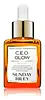
This brightening oil is formulated around Tetrahexyldecyl Ascorbate to brighten dull-looking skin.
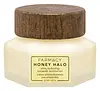
This barrier-repair moisturizer is formulated around Butyrospermum Parkii Butter and Honey Extract to strengthen the skin barrier and hydrate skin.

What's inside
What's inside
 Key Ingredients
Benefits
Concerns
Ingredients Side-by-side
Rubus Idaeus Seed Oil
Emollient



Neopentyl Glycol Diethylhexanoate
Emollient
Caprylyl Caprylate/Caprate
Emollient
Simmondsia Chinensis Seed Oil
Emollient

Cucumis Sativus Seed Oil
Emollient
Punica Granatum Seed Oil
Emollient
Vaccinium Macrocarpon Seed Oil
Skin Conditioning
Oenothera Biennis Oil
Emollient


Octyldodecanol
Emollient
Tetrahexyldecyl Ascorbate
Antioxidant




Curcuma Longa Root Extract
Antioxidant
Helianthus Annuus Seed Oil Unsaponifiables
Emollient
Citrus Aurantium Amara Flower Oil
Masking
Melia Azadirachta Leaf Extract
Skin ConditioningEclipta Prostrata Extract
Skin Conditioning
Moringa Oleifera Seed Oil
Emollient
Tocopherol
Antioxidant


Helianthus Annuus Seed Oil
Emollient
Pentylene Glycol
Skin Conditioning
4-T-Butylcyclohexanol
Masking
Ribes Nigrum Seed Oil
Emollient
Bisabolol
Antioxidant
Cetylhydroxyproline Palmitamide
Skin ConditioningHexyldecanol
Emollient
Hydroxyphenyl Propamidobenzoic Acid
Skin ConditioningStearic Acid
Cleansing
Brassica Campestris Sterols
EmollientCardiospermum Halicacabum Flower/Leaf/Vine Extract
Skin ConditioningZingiber Officinale Root Extract
Masking
Rosmarinus Officinalis Leaf Extract
AntimicrobialRubus Idaeus Seed Oil, Neopentyl Glycol Diethylhexanoate, Caprylyl Caprylate/Caprate, Simmondsia Chinensis Seed Oil, Cucumis Sativus Seed Oil, Punica Granatum Seed Oil, Vaccinium Macrocarpon Seed Oil, Oenothera Biennis Oil, Octyldodecanol, Tetrahexyldecyl Ascorbate, Curcuma Longa Root Extract, Helianthus Annuus Seed Oil Unsaponifiables, Citrus Aurantium Amara Flower Oil, Melia Azadirachta Leaf Extract, Eclipta Prostrata Extract, Moringa Oleifera Seed Oil, Tocopherol, Helianthus Annuus Seed Oil, Pentylene Glycol, 4-T-Butylcyclohexanol, Ribes Nigrum Seed Oil, Bisabolol, Cetylhydroxyproline Palmitamide, Hexyldecanol, Hydroxyphenyl Propamidobenzoic Acid, Stearic Acid, Brassica Campestris Sterols, Cardiospermum Halicacabum Flower/Leaf/Vine Extract, Zingiber Officinale Root Extract, Rosmarinus Officinalis Leaf Extract
Water
Skin ConditioningGlycerin
Humectant
Butyrospermum Parkii Butter
Skin Conditioning
Caprylic/Capric Triglyceride
Masking
C13-15 Alkane
SolventCetearyl Alcohol
Emollient
Pentaerythrityl Tetraisostearate
Emollient
1,2-Hexanediol
Skin Conditioning
Bis-Diglyceryl Polyacyladipate-1
Emollient
Diisostearyl Malate
EmollientXylitylglucoside
Humectant
Honey Extract
Humectant
Betaine
Humectant
Panthenol
Skin Conditioning
Hydrogenated Rapeseed Oil
Emollient
Helianthus Annuus Seed Oil Unsaponifiables
Emollient
Ceramide NP
Skin Conditioning
Propolis Extract
Skin Conditioning

Royal Jelly Extract
Skin Conditioning
Tocopherol
Antioxidant
Ficus Carica Fruit Extract
Humectant
Hippophae Rhamnoides Oil
Emollient
Glucose
Humectant
Bisabolol
Antioxidant
Xylitol
Humectant
Anhydroxylitol
Humectant
Cetearyl Glucoside
Emulsifying
Triolein
Skin Conditioning
Acrylates/C10-30 Alkyl Acrylate Crosspolymer
Emulsion StabilisingHydroxyethyl Acrylate/Sodium Acryloyldimethyl Taurate Copolymer
Emulsion StabilisingArginine
Masking
Aroma
Hydroxyacetophenone
Antioxidant
Xanthan Gum
EmulsifyingGlyceryl Dioleate
Emollient
Sodium Dilauramidoglutamide Lysine
HumectantSodium Phytate
Sorbitan Isostearate
Emulsifying
Citric Acid
Buffering
Potassium Sorbate
Preservative
Sodium Benzoate
Masking
Water, Glycerin, Butyrospermum Parkii Butter, Caprylic/Capric Triglyceride, C13-15 Alkane, Cetearyl Alcohol, Pentaerythrityl Tetraisostearate, 1,2-Hexanediol, Bis-Diglyceryl Polyacyladipate-1, Diisostearyl Malate, Xylitylglucoside, Honey Extract, Betaine, Panthenol, Hydrogenated Rapeseed Oil, Helianthus Annuus Seed Oil Unsaponifiables, Ceramide NP, Propolis Extract, Royal Jelly Extract, Tocopherol, Ficus Carica Fruit Extract, Hippophae Rhamnoides Oil, Glucose, Bisabolol, Xylitol, Anhydroxylitol, Cetearyl Glucoside, Triolein, Acrylates/C10-30 Alkyl Acrylate Crosspolymer, Hydroxyethyl Acrylate/Sodium Acryloyldimethyl Taurate Copolymer, Arginine, Aroma, Hydroxyacetophenone, Xanthan Gum, Glyceryl Dioleate, Sodium Dilauramidoglutamide Lysine, Sodium Phytate, Sorbitan Isostearate, Citric Acid, Potassium Sorbate, Sodium Benzoate
Reviews
Ingredients Explained
These ingredients are found in both products.
Ingredients higher up in an ingredient list are typically present in a larger amount.
Bisabolol is a gentle skin conditioner, antioxidant, and soothing ingredient.
It's primary claim to fame is soothing and research shows topically applied bisabolol can quiet the chemical messengers that cause your skin to become inflamed, helping to sooth any irritation.
A clinical study found that applying 0.5% bisabolol daily for 8 weeks produced an average 9% decrease in skin pigmentation. Researchers found it can also suppress the process that leads to excess melanin production in skin.
In vitro studies found that bisabolol combined with propylene glycol significantly increased skin permeability by increasing lipid fluidity in the stratum corneum.
You'll likely see use concentrations quite low, usually 0.1-0.2%.
Overall, this is a well-tolerated ingredient that works well in formulas designed for sensitive, reactive, or post-procedure skin.
Learn more about BisabololThis ingredient is the small fraction of sunflower seed oil (~1.5-2% of the whole oil) that cannot be turned into soap.
This concentrated fraction is rich in skin-nourishing compounds like free fatty acids, tocopherols, and phytosterols. Linoleic acid makes up about 48-74% of its composition.
Unsaponifiables have high antioxidant potential due to the tocopherols, carotenoids, and phenolic acids that help protect skin from free radical damage. On the other hand, linoleic acid supports the skin's barrier by replenishing ceramides and reducing transepidermal water loss.
A manufacturer-sponsored clinical study found that a cream with 2% of this ingredient increased skin moisturization by 48.6% after 1 hour and 34.2% after 24 hours.
Using this cream twice-daily for 4 weeks showed meaningful improvement in dryness, roughness, and desquamation (the shedding of dead skin cells).
Keep in mind this is a small, industry-funded study so it'd be great to see independent replication. However, the mechanism is consistent with well-establish linoleic and phytosterol research.
While this ingredient is generally considered safe, those with an Asteraceae/Compositae plant allergy should patch test this ingredient.
Fungal acne: this ingredient is not considered safe for fungal acne because the Malassezia yeast preferentially metabolizes in the C11-24 range. Linoleic acid falls into this range at C18.
Learn more about Helianthus Annuus Seed Oil UnsaponifiablesTocopherol is a fat-soluble antioxidant known as Vitamin E.
You'll find this ingredient in the vast majority of skincare (for good reason). It works to neutralize free radicals, or unstable molecules generated by UV exposure, pollution, and other environmental stressors, before they can cause oxidative damage to your skin cells.
Topically applied tocopherol has been shown to protect against UV damage by ramping up the skin's own natural defense enzymes.
It also acts as a skin conditioning agent; some studies show that regular topical use can improve the skin's water-binding capacity over 2-4 weeks.
This ingredient is especially loved for being a team player. When combined with Vitamin C, the photoprotective effect of both ingredients roughly doubles and the combo also helps reduce UV-induced DNA damage.
This ingredient has some brightening potential but it's more of a prevention ingredient than spot-fader. Cell studies show it can slow down melanin production but it's worth noting that it's not the most powerful brightener out there.
In formulations, it also serves as a stabilizer that helps protect other oxidation-prone ingredients from degrading.
Concentrations usually range from 0.1-1% in most leave-on products.
Learn more about Tocopherol

