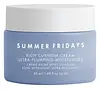
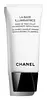
Summer Fridays Rich Cushion Cream Ultra Plumping Moisturizer Versus Chanel LA Base Illuminatrice Glowing Makeup Primer
This barrier-repair moisturizer is formulated around Helianthus Annuus Seed Oil and Hyaluronic Acid to strengthen the skin barrier and hydrate skin.


What's inside
What's inside
 Key Ingredients
Benefits
Concerns
Ingredients Side-by-side
Water
Skin ConditioningHelianthus Annuus Seed Oil
Emollient



Glycerin
Humectant

Ethylhexyl Palmitate
Emollient


Glyceryl Stearate
Emollient
Isopropyl Myristate
Emollient
Cetyl Alcohol
Emollient

Betaine
Humectant
Hyaluronic Acid
Humectant

Citrullus Lanatus Fruit Extract
Skin Conditioning
Pyrus Malus Fruit Extract
Skin Conditioning
Lens Esculenta Fruit Extract
Skin ConditioningSimmondsia Chinensis Seed Oil
Emollient
Persea Gratissima Oil
Skin Conditioning
Carthamus Tinctorius Seed Oil
Masking
Squalane
Emollient
Saccharide Isomerate
Humectant
Chamomilla Recutita Flower Extract
Masking
Bisabolol
Antioxidant
Allantoin
Skin Conditioning
Centella Asiatica Extract
Cleansing
Salicornia Herbacea Extract
Skin ConditioningKappaphycus Alvarezii Extract
Skin Conditioning
Caesalpinia Spinosa Fruit Extract
Skin ProtectingResveratrol
Antioxidant
Tetrahexyldecyl Ascorbate
Antioxidant

Tocopherol
Antioxidant

Tocopheryl Acetate
Antioxidant
Panthenol
Skin Conditioning
Sodium PCA
Humectant
Sodium Lactate
Buffering
Caprylic/Capric Triglyceride
Masking
Ethylhexylglycerin
Skin ConditioningGlyceryl Laurate
Emollient
Stearic Acid
Cleansing
Palmitic Acid
Emollient
Hydroxypropyl Cyclodextrin
MaskingCaprylyl Glycol
Emollient
Sodium Citrate
BufferingGlyceryl Stearate Citrate
Emollient
Glyceryl Caprylate
EmollientPotassium Sorbate
Preservative
Citric Acid
Buffering
Sodium Hydroxide
BufferingXanthan Gum
EmulsifyingAcrylates/C10-30 Alkyl Acrylate Crosspolymer
Emulsion StabilisingSodium Benzoate
Masking
Water, Helianthus Annuus Seed Oil, Glycerin, Ethylhexyl Palmitate, Glyceryl Stearate, Isopropyl Myristate, Cetyl Alcohol, Betaine, Hyaluronic Acid, Citrullus Lanatus Fruit Extract, Pyrus Malus Fruit Extract, Lens Esculenta Fruit Extract, Simmondsia Chinensis Seed Oil, Persea Gratissima Oil, Carthamus Tinctorius Seed Oil, Squalane, Saccharide Isomerate, Chamomilla Recutita Flower Extract, Bisabolol, Allantoin, Centella Asiatica Extract, Salicornia Herbacea Extract, Kappaphycus Alvarezii Extract, Caesalpinia Spinosa Fruit Extract, Resveratrol, Tetrahexyldecyl Ascorbate, Tocopherol, Tocopheryl Acetate, Panthenol, Sodium PCA, Sodium Lactate, Caprylic/Capric Triglyceride, Ethylhexylglycerin, Glyceryl Laurate, Stearic Acid, Palmitic Acid, Hydroxypropyl Cyclodextrin, Caprylyl Glycol, Sodium Citrate, Glyceryl Stearate Citrate, Glyceryl Caprylate, Potassium Sorbate, Citric Acid, Sodium Hydroxide, Xanthan Gum, Acrylates/C10-30 Alkyl Acrylate Crosspolymer, Sodium Benzoate
Water
Skin ConditioningGlycerin
Humectant
Alcohol
Antimicrobial

Camellia Oleifera Seed Oil
Skin Conditioning
Calcium Sodium Borosilicate
Ammonium Acryloyldimethyltaurate/Vp Copolymer
Caesalpinia Spinosa Fruit Extract
Skin ProtectingKappaphycus Alvarezii Extract
Skin Conditioning
Maris Aqua
HumectantSynthetic Fluorphlogopite
Butylene Glycol
Humectant
1,2-Hexanediol
Skin Conditioning
Caprylyl Glycol
Emollient
Acrylates/C10-30 Alkyl Acrylate Crosspolymer
Emulsion StabilisingArginine
Masking
Parfum
Masking

Potassium Sorbate
Preservative
Tocopherol
Antioxidant
Sodium Hyaluronate
Humectant
Silica
Abrasive

Phormidium Persicinum Extract
Antioxidant
Tin Oxide
Abrasive
Citric Acid
Buffering
CI 77007
Cosmetic ColorantCI 77491
Cosmetic ColorantCI 77492
Cosmetic ColorantCI 77499
Cosmetic ColorantCI 77891
Cosmetic ColorantWater, Glycerin, Alcohol, Camellia Oleifera Seed Oil, Calcium Sodium Borosilicate, Ammonium Acryloyldimethyltaurate/Vp Copolymer, Caesalpinia Spinosa Fruit Extract, Kappaphycus Alvarezii Extract, Maris Aqua, Synthetic Fluorphlogopite, Butylene Glycol, 1,2-Hexanediol, Caprylyl Glycol, Acrylates/C10-30 Alkyl Acrylate Crosspolymer, Arginine, Parfum, Potassium Sorbate, Tocopherol, Sodium Hyaluronate, Silica, Phormidium Persicinum Extract, Tin Oxide, Citric Acid, CI 77007, CI 77491, CI 77492, CI 77499, CI 77891
Reviews
Ingredients Explained
These ingredients are found in both products.
Ingredients higher up in an ingredient list are typically present in a larger amount.
Acrylates/C10-30 Alkyl Acrylate Crosspolymer is a synthetic polymer. It is used to thicken, emulsify, and improve the texture of products.
As an emulsifier, it helps stabilize oil-in-water emulsions to give products an elegant feel when applied.
It can also form a thin protective film on skin. One study found that a formula using this polymer helped slow down how quickly other ingredients (like DEET) were absorbed through skin.
A 2024 study of over 1,300 patients confirmed that sensitization to this ingredient is rare. It is also non-mutagenic and has a clean track record.
Learn more about Acrylates/C10-30 Alkyl Acrylate CrosspolymerWe don't have a description for Caesalpinia Spinosa Fruit Extract yet.
Caprylyl Glycol is a humectant, skin conditioner, emollient, and preservative booster derived from either caprylic acid or synthetically created.
Typical use levels vary from 0.3-1% as a preservative booster and go up to 2% to condition skin.
Because it is not a free-fatty acid, this ingredient is fungal acne safe (there's nothing for Malassezia to feed on).
Learn more about Caprylyl GlycolCitric Acid is an alpha hydroxy acid (AHA) naturally found in citrus fruits like oranges, lemons, and limes.
Like other AHAs, citric acid can exfoliate skin by breaking down the bonds that hold dead skin cells together. This helps reveal smoother and brighter skin underneath.
However, this exfoliating effect only happens at high concentrations (20%) which can be hard to find in cosmetic products.
Due to this, citric acid is usually included in small amounts as a pH adjuster. This helps keep products slightly more acidic and compatible with skin's natural pH.
In skincare formulas, citric acid can:
While it can provide some skin benefits, research shows lactic acid and glycolic acid are generally more effective and less irritating exfoliants.
Most citric acid used in skincare today is made by fermenting sugars (usually from molasses). This synthetic version is identical to the natural citrus form but easier to stabilize and use in formulations.
Rosacea skin has a lower threshold for acids generally, with 62.5% of rosacea subjects in one study reacting to lactic acid in a sting test. This is why we mark citric acid as a potential rosacea trigger.
However, this ingredient shows up as a pH adjuster or chelator at roughly 0.1-1% in many products. These low levels are unlikely to be an issue for rosacea skin and becomes a potential trigger at exfoliating concentrations (20%). Because everybody's skin is unique, we recommend a patch test if you are unsure.
Learn more about Citric AcidGlycerin (or glycerol) is a compound naturally found in your skin. It's a powerhouse humectant that pulls water into the stratum corneum.
Topically, glycerin does several things at once:
Your skin makes glycerin on its own (mostly from sebaceous oil breakdown) and shuttles it to your outermost layer of skin, or your epidermis, via aquaporin-3.
Aquaporin-3 is a transporter that is essential for normal skin hydration, elasticity, and repair. Interestingly, mice lacking in AQP3 have dry and less elastic skin that can be fully corrected with glycerin.
This ingredient is non-irritating, plays well with almost every ingredient, and works across all skin types. Typical use is anywhere between 3-10% but can go up to 79% in some leave-on products.
Just know very high concentrations (>40%) can feel tacky in low humidity.
Glycerin is the name for this ingredient in American English. British English uses Glycerol/Glycerine.
Learn more about GlycerinThis is an extract from a red seaweed and the world's main source of kappa-carrageenan (that's the gelling sugar you've probably eaten in ice cream).
In cosmetics, it's a skin conditioning agent that works like most seaweed sugars: it grabs onto water and forms a light, flexible film on the surface. This keeps the skin hydrated and helps it feel smoother right away.
A small 2026 trial (28 people) found a serum with 1.5% of the seaweed gel bumped up hand hydration for at least an hour compared to the hyaluronic acid control.
There's also some anti-aging research with an asterisk: scientists chopped the polysaccharide down to a tiny 4 kDa version and found it soaked into skin better than hyaluronic acid, calmed inflammation markers, reduced collagen-degrading MMPs, and improved wrinkles in UV-exposed mice.
While this is encouraging, it's way too big to go anywhere so it mostly stays on the surface of skin doing hydration duty.
It has a pretty solid safety profile: low cytotoxicity at its use level, negative genotoxicity data, human sensitization testing done at 0.8%, and no allergy case reports floating around.
You'll see algae listed as a 5/5 on a lot of pore-clogging charts and that number doesn't come from anywhere; it's not in the original rabbit-ear studies that most comedogenic ratings trace back to.
The reasoning behind the reputation is that seaweed is high in iodine and iodine can trigger acne-like breakouts when eaten. This traces back to a 1976 letter in Archives of Dermatology describing two women whose breakouts cleared after they stopped taking high-dose kelp supplements orally.
And the reaction of these two women wasn't clogged pores at all: it was an iodine-triggered pustular rash. Later research found normal dietary iodine doesn't meaningfully affect acne either and nobody has shown topical algae delivers enough iodine to matter.
What we do have is dozens of brown and red algae ingredients found to be non-irritating and non-sensitizing, and a handful of studies that found algae compounds may actually help acne.
However, plenty of people do report breaking out from algae-containing products. Skin is individual and it's worth avoiding if yours has reacted to algae before.
Learn more about Kappaphycus Alvarezii ExtractPotassium Sorbate is a preservative used to prevent yeast and mold in products. It is commonly found in both cosmetic and food products.
This ingredient comes from potassium salt derived from sorbic acid. Sorbic acid is a natural antibiotic and effective against fungus.
Both potassium sorbate and sorbic acid can be found in baked goods, cheeses, dried meats, dried fruit, ice cream, pickles, wine, yogurt, and more.
You'll often find this ingredient used with other preservatives.
Learn more about Potassium SorbateTocopherol is a fat-soluble antioxidant known as Vitamin E.
You'll find this ingredient in the vast majority of skincare (for good reason). It works to neutralize free radicals, or unstable molecules generated by UV exposure, pollution, and other environmental stressors, before they can cause oxidative damage to your skin cells.
Topically applied tocopherol has been shown to protect against UV damage by ramping up the skin's own natural defense enzymes.
It also acts as a skin conditioning agent; some studies show that regular topical use can improve the skin's water-binding capacity over 2-4 weeks.
This ingredient is especially loved for being a team player. When combined with Vitamin C, the photoprotective effect of both ingredients roughly doubles and the combo also helps reduce UV-induced DNA damage.
This ingredient has some brightening potential but it's more of a prevention ingredient than spot-fader. Cell studies show it can slow down melanin production but it's worth noting that it's not the most powerful brightener out there.
In formulations, it also serves as a stabilizer that helps protect other oxidation-prone ingredients from degrading.
Concentrations usually range from 0.1-1% in most leave-on products.
Learn more about TocopherolWater. It's the most common cosmetic ingredient of all. You'll usually see it at the top of ingredient lists, meaning that it makes up the largest part of the product.
So why is it so popular? Water most often acts as a solvent - this means that it helps dissolve other ingredients into the formulation.
You'll also recognize water as that liquid we all need to stay alive. If you see this, drink a glass of water. Remember to stay hydrated!
Learn more about Water

