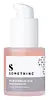
This acne treatment is formulated around Salicylic Acid and Zinc Sulfate to clear breakouts and refine the look of pores.
This smoothing serum is formulated around Mandelic Acid and Salicylic Acid to refine skin texture and refine the look of pores.

What's inside
What's inside
 Key Ingredients
Benefits
Concerns
Ingredients Side-by-side
Water
Skin ConditioningAcacia Senegal Gum
MaskingPentylene Glycol
Skin Conditioning
Salicylic Acid
Masking










Trehalose
Humectant

Polyglyceryl-4 Caprate
Emulsifying1,2-Hexanediol
Skin Conditioning
Butylene Glycol
Humectant
Benzotriazolyl Dodecyl P-Cresol
UV AbsorberDisodium EDTA
Hydroxyethylcellulose
Emulsion StabilisingTriethanolamine
BufferingEthylhexylglycerin
Skin ConditioningHydrolyzed Algin
CI 19140
Cosmetic ColorantPhragmites Karka Extract
Skin ConditioningPoria Cocos Extract
Skin ConditioningCI 17200
Cosmetic ColorantPhenoxyethanol
Preservative
Zinc Sulfate
Antimicrobial
Water, Acacia Senegal Gum, Pentylene Glycol, Salicylic Acid, Trehalose, Polyglyceryl-4 Caprate, 1,2-Hexanediol, Butylene Glycol, Benzotriazolyl Dodecyl P-Cresol, Disodium EDTA, Hydroxyethylcellulose, Triethanolamine, Ethylhexylglycerin, Hydrolyzed Algin, CI 19140, Phragmites Karka Extract, Poria Cocos Extract, CI 17200, Phenoxyethanol, Zinc Sulfate
Water
Skin ConditioningPropylene Glycol
Humectant
Mandelic Acid
Antimicrobial


Butylene Glycol
Humectant
Salicylic Acid
Masking
Niacinamide
Smoothing


Panthenol
Skin Conditioning
Trehalose
Humectant
PEG/PPG-14/7 Dimethyl Ether
Skin ConditioningDipotassium Glycyrrhizate
Humectant
Gluconolactone
Skin Conditioning
Lactobionic Acid
Buffering
Capryloyl Salicylic Acid
Exfoliating
Succinic Acid
BufferingPapain
Skin Conditioning
Allantoin
Skin Conditioning
Centella Asiatica Extract
Cleansing
Asiatic Acid
Skin Conditioning
Madecassoside
Antioxidant
Asiaticoside
Antioxidant
Camellia Sinensis Leaf Extract
Antimicrobial
Opuntia Coccinellifera Flower Extract
Skin ConditioningAvena Sativa Kernel Extract
Abrasive
Hydroxyethylcellulose
Emulsion StabilisingBeta-Glucan
Skin Conditioning
Sodium Hyaluronate
Humectant
Hyaluronic Acid
Humectant
Hydrolyzed Hyaluronic Acid
Humectant
Hydrolyzed Sodium Hyaluronate
Skin Conditioning
Hydroxypropyltrimonium Hyaluronate
Potassium Hyaluronate
Skin ConditioningSodium Acetylated Hyaluronate
Humectant
Sodium Hyaluronate Crosspolymer
Humectant
Phenoxyethanol
Preservative
Sodium Benzoate
Masking
Sodium Hydroxide
BufferingSodium Diethylenetriamine Pentamethylene Phosphonate
Sodium Gluceptate
Tetrasodium EDTA
Ethylhexylglycerin
Skin ConditioningAcrylates/C10-30 Alkyl Acrylate Crosspolymer
Emulsion StabilisingPentylene Glycol
Skin Conditioning
Dextrin
Absorbent1,2-Hexanediol
Skin Conditioning
Citric Acid
Buffering
Disodium Phosphate
BufferingPotassium Sorbate
Preservative
Polysorbate 60
Emulsifying
Sodium Phosphate
BufferingWater, Propylene Glycol, Mandelic Acid, Butylene Glycol, Salicylic Acid, Niacinamide, Panthenol, Trehalose, PEG/PPG-14/7 Dimethyl Ether, Dipotassium Glycyrrhizate, Gluconolactone, Lactobionic Acid, Capryloyl Salicylic Acid, Succinic Acid, Papain, Allantoin, Centella Asiatica Extract, Asiatic Acid, Madecassoside, Asiaticoside, Camellia Sinensis Leaf Extract, Opuntia Coccinellifera Flower Extract, Avena Sativa Kernel Extract, Hydroxyethylcellulose, Beta-Glucan, Sodium Hyaluronate, Hyaluronic Acid, Hydrolyzed Hyaluronic Acid, Hydrolyzed Sodium Hyaluronate, Hydroxypropyltrimonium Hyaluronate, Potassium Hyaluronate, Sodium Acetylated Hyaluronate, Sodium Hyaluronate Crosspolymer, Phenoxyethanol, Sodium Benzoate, Sodium Hydroxide, Sodium Diethylenetriamine Pentamethylene Phosphonate, Sodium Gluceptate, Tetrasodium EDTA, Ethylhexylglycerin, Acrylates/C10-30 Alkyl Acrylate Crosspolymer, Pentylene Glycol, Dextrin, 1,2-Hexanediol, Citric Acid, Disodium Phosphate, Potassium Sorbate, Polysorbate 60, Sodium Phosphate
Reviews
Ingredients Explained
These ingredients are found in both products.
Ingredients higher up in an ingredient list are typically present in a larger amount.
1,2-Hexanediol is a synthetic liquid and another multi-functional powerhouse.
It is a:
- Humectant, drawing moisture into the skin
- Emollient, helping to soften skin
- Solvent, dispersing and stabilizing formulas
- Preservative booster, enhancing the antimicrobial activity of other preservatives
Butylene Glycol (or BG) is used within cosmetic products for a few different reasons:
Overall, Butylene Glycol is a safe and well-rounded ingredient that works well with other ingredients.
Though this ingredient works well with most skin types, some people with sensitive skin may experience a reaction such as allergic rashes, closed comedones, or itchiness.
Learn more about Butylene GlycolEthylhexylglycerin is created from glycerin. It is a multitasker ingredient that:
The CIR Expert Panel found minimal skin absorption or sensitization of any kind in a safety assessment. Though this ingredient is considered well-tolerated, a small number of cases of allergic dermatitis have been published since 2002. Just be sure to patch test if you are unsure.
Industry-reported use ranges from 8% in rinse-off products and 2% in leave-on formulations.
Learn more about EthylhexylglycerinHydroxyethylcellulose is used to improve the texture of products. It is created from a chemical reaction involving ethylene oxide and alkali-cellulose. Cellulose is a sugar found in plant cell walls and help give plants structure.
This ingredient helps stabilize products by preventing ingredients from separating. It can also help thicken the texture of a product.
This ingredient can also be found in pill medicines to help our bodies digest other ingredients.
Learn more about HydroxyethylcellulosePentylene Glycol (1,2-pentanediol) is a multitasking little diol with three main roles in a formula:
Research on alkanediols (the family pentylene glycol belongs to) show they work by disrupting microbial cell membranes. This disruption helps the primary preservative system in a product work more effectively at lower doses.
On the safety side, the Cosmetic Ingredient Review Expert Panel has concluded this ingredient to be safe as used in current cosmetic practices + concentrations.
Typical use levels in a formula run about 1-5%.
Learn more about Pentylene GlycolPhenoxyethanol is one of the most widely used preservatives in skincare (and for good reason!).
It has a large spectrum of antimicrobial activity and especially effective bacteria, yeast, and mold while only having a weak effect on your skin's natural microbiome.
On a cellular level, it disrupts the cell membranes of microbes by poking holes that make the cell leak. This shuts down the chemical reactions the microbe needs to make energy so it can no longer survive.
Another perk of this ingredient is that it stays functional across a wide pH range (3-10).
You'll often see it paired with boosters like Ethylhexylglycerin; one study showed that a 1:9 ratio of Ethylhexylglycerin to Phenoxyethanol damages bacterial membranes as effectively as doubling the Phenoxyethanol concentration on its own.
Typical use concentrations range from 0.3-1% depending on the formula, and this ingredient is capped at 1% int the EU.
Safety-wise, the fear mongering does not hold up to the evidence. The EU's Scientific Committee on Consumer Safety and FDA consider it safe as a preservative at up to 1%, including for children of all ages.
Adverse systemic effects only showed up in animal studies at exposures roughly 200x higher than what people get from cosmetics. And despite its very widespread use, this ingredient is a rare sensitizer and allergic reactions are uncommon.
Learn more about PhenoxyethanolSalicylic Acid (also known as beta hydroxy acid or BHA) is a well-known ingredient for treating skin that struggles with acne and clogged pores. It exfoliates both the skin's surface and deep within the pores to help clear out buildup, control oil, and reduce inflammation.
Unlike AHAs (alpha hydroxy acids), salicylic acid is oil-soluble. This allows it to penetrate into pores which makes it especially effective for treating blackheads and preventing future breakouts.
Salicylic acid is also known for its soothing properties. It has a similar structure to aspirin and can calm inflamed or irritated skin, making it a good option for acne-prone skin that is also sensitive.
Concentrations of 0.5-2% are recognized by the U.S. FDA as an over-the-counter topical acne product.
It can cause irritation and/or dryness if one's skin already has a compromised moisture barrier, so it's best to focus on repairing that before introducing this ingredient into your routine.
While salicylic acid does not increase sun sensitivity, it’s still important to wear sunscreen daily to protect your skin.
If you are looking for the ingredient called BHA or Butylated Hydroxyanisole, click here.
Learn more about Salicylic AcidTrehalose is a disaccharide made of two glucose molecules (glucose is sugar!). Trehalose is used to help moisturize skin. It also has antioxidant properties.
As a humectant, trehalose helps draw moisture from the air to your skin. This helps keep your skin hydrated.
Due to its antioxidant properties, trehalose may help with signs of aging. Antioxidants help fight free-radical molecules, unstable molecules that may damage your skin.
In medicine, trehalose and hyaluronic acid are used to help treat dry eyes.
Some animals, plants, and bacteria create trehalose as a source of energy to survive freeze or lack of water.
Learn more about TrehaloseWater. It's the most common cosmetic ingredient of all. You'll usually see it at the top of ingredient lists, meaning that it makes up the largest part of the product.
So why is it so popular? Water most often acts as a solvent - this means that it helps dissolve other ingredients into the formulation.
You'll also recognize water as that liquid we all need to stay alive. If you see this, drink a glass of water. Remember to stay hydrated!
Learn more about Water

