
What's inside
What's inside
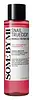 Key Ingredients
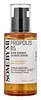
Benefits
Concerns
Ingredients Side-by-side
Snail Secretion Filtrate 90%
Skin Conditioning





Niacinamide
Smoothing







Dipropylene Glycol
Humectant1,2-Hexanediol
Skin Conditioning
Hydroxyethyl Urea
Humectant
Centella Asiatica Extract
Cleansing
Melaleuca Alternifolia Leaf Water
AntimicrobialArtemisia Princeps Leaf Extract
Skin ConditioningLavandula Angustifolia Extract
Skin Conditioning

Rosmarinus Officinalis Extract
AntimicrobialChamomilla Recutita Flower Extract
Masking
Geranium Maculatum Extract
TonicSalvia Officinalis Leaf Extract
CleansingTrifolium Pratense Flower Extract
AstringentAlchemilla Vulgaris Leaf Extract
Antioxidant
Aspalathus Linearis Extract
Skin ConditioningHelichrysum Italicum Extract
AntiseborrhoeicHyacinthus Orientalis Extract
Skin ConditioningJasminum Sambac Flower Extract
Masking
Chrysanthemum Morifolium Flower Extract
Skin ConditioningNelumbium Speciosum Flower Extract
Skin ConditioningSambucus Nigra Flower Extract
RefreshingPrunus Mume Flower Extract
Skin ConditioningRobinia Pseudoacacia Flower Extract
Skin ConditioningSpiraea Ulmaria Flower Extract
Skin ConditioningGlycyrrhiza Glabra Root Extract
Bleaching
Cimicifuga Racemosa Root Extract
Antimicrobial
Polygonum Multiflorum Root Extract
Skin ConditioningSesamum Indicum Seed Extract
Skin Conditioning
Phellinus Linteus Extract
Skin ConditioningAngelica Gigas Root Extract
Skin ConditioningMorus Alba Bark Extract
Skin ConditioningPaeonia Lactiflora Root Extract
Skin ConditioningSophora Flavescens Root Extract
Antioxidant
Scutellaria Baicalensis Root Extract
Astringent
Hydrolyzed Glycosaminoglycans
HumectantGlycerin
Humectant
Sodium Hyaluronate
Humectant
Allantoin
Skin Conditioning
Arbutin
Antioxidant
Adenosine
Skin Conditioning
Glutathione
Madecassoside
Antioxidant
Madecassic Acid
Skin Conditioning
Asiaticoside
Antioxidant
Asiatic Acid
Skin Conditioning
C12-13 Pareth-9
EmulsifyingWater
Skin ConditioningBenzyl Glycol
SolventEthylhexylglycerin
Skin ConditioningRaspberry Ketone
Masking
Citrus Aurantium Bergamia Fruit Oil
Masking

Salvia Officinalis Oil
Masking
Limonene
Perfuming

Snail Secretion Filtrate 90%, Niacinamide, Dipropylene Glycol, 1,2-Hexanediol, Hydroxyethyl Urea, Centella Asiatica Extract, Melaleuca Alternifolia Leaf Water, Artemisia Princeps Leaf Extract, Lavandula Angustifolia Extract, Rosmarinus Officinalis Extract, Chamomilla Recutita Flower Extract, Geranium Maculatum Extract, Salvia Officinalis Leaf Extract, Trifolium Pratense Flower Extract, Alchemilla Vulgaris Leaf Extract, Aspalathus Linearis Extract, Helichrysum Italicum Extract, Hyacinthus Orientalis Extract, Jasminum Sambac Flower Extract, Chrysanthemum Morifolium Flower Extract, Nelumbium Speciosum Flower Extract, Sambucus Nigra Flower Extract, Prunus Mume Flower Extract, Robinia Pseudoacacia Flower Extract, Spiraea Ulmaria Flower Extract, Glycyrrhiza Glabra Root Extract, Cimicifuga Racemosa Root Extract, Polygonum Multiflorum Root Extract, Sesamum Indicum Seed Extract, Phellinus Linteus Extract, Angelica Gigas Root Extract, Morus Alba Bark Extract, Paeonia Lactiflora Root Extract, Sophora Flavescens Root Extract, Scutellaria Baicalensis Root Extract, Hydrolyzed Glycosaminoglycans, Glycerin, Sodium Hyaluronate, Allantoin, Arbutin, Adenosine, Glutathione, Madecassoside, Madecassic Acid, Asiaticoside, Asiatic Acid, C12-13 Pareth-9, Water, Benzyl Glycol, Ethylhexylglycerin, Raspberry Ketone, Citrus Aurantium Bergamia Fruit Oil, Salvia Officinalis Oil, Limonene
Propolis Extract
Skin Conditioning
Honey Extract
Humectant
Glycerin
Humectant
Niacinamide
Smoothing
1,2-Hexanediol
Skin Conditioning
Centella Asiatica Extract
Cleansing
Panthenol
Skin Conditioning
Melaleuca Alternifolia Leaf Water
AntimicrobialLactobacillus/Soybean Ferment Extract
Skin ConditioningLactobacillus/Punica Granatum Fruit Ferment Extract
Antioxidant
Saccharomyces/Barley Seed Ferment Filtrate
HumectantLactobacillus/Pear Juice Ferment Filtrate
Skin ConditioningRoyal Jelly Extract
Skin Conditioning
Artemisia Princeps Leaf Extract
Skin ConditioningCentella Asiatica Leaf Extract
Skin Conditioning
Coptis Japonica Extract
AntimicrobialMalt Extract
Skin ProtectingCI 77480
Cosmetic ColorantSodium Hyaluronate
Humectant
Hydrolyzed Hyaluronic Acid
Humectant
Sodium Acetylated Hyaluronate
Humectant
Hydrolyzed Glycosaminoglycans
HumectantAllantoin
Skin Conditioning
Adenosine
Skin Conditioning
Madecassoside
Antioxidant
Madecassic Acid
Skin Conditioning
Asiaticoside
Antioxidant
Asiatic Acid
Skin Conditioning
Arginine
Masking
Ceramide NP
Skin Conditioning
Citric Acid
Buffering
Sodium Citrate
BufferingC12-13 Pareth-9
EmulsifyingHydrolyzed Sclerotium Gum
HumectantCarbomer
Emulsion StabilisingWater
Skin ConditioningBenzyl Glycol
SolventEthylhexylglycerin
Skin ConditioningRaspberry Ketone
Masking
Disodium EDTA
Parfum
Masking
Propolis Extract, Honey Extract, Glycerin, Niacinamide, 1,2-Hexanediol, Centella Asiatica Extract, Panthenol, Melaleuca Alternifolia Leaf Water, Lactobacillus/Soybean Ferment Extract, Lactobacillus/Punica Granatum Fruit Ferment Extract, Saccharomyces/Barley Seed Ferment Filtrate, Lactobacillus/Pear Juice Ferment Filtrate, Royal Jelly Extract, Artemisia Princeps Leaf Extract, Centella Asiatica Leaf Extract, Coptis Japonica Extract, Malt Extract, CI 77480, Sodium Hyaluronate, Hydrolyzed Hyaluronic Acid, Sodium Acetylated Hyaluronate, Hydrolyzed Glycosaminoglycans, Allantoin, Adenosine, Madecassoside, Madecassic Acid, Asiaticoside, Asiatic Acid, Arginine, Ceramide NP, Citric Acid, Sodium Citrate, C12-13 Pareth-9, Hydrolyzed Sclerotium Gum, Carbomer, Water, Benzyl Glycol, Ethylhexylglycerin, Raspberry Ketone, Disodium EDTA, Parfum
Reviews
Ingredients Explained
These ingredients are found in both products.
Ingredients higher up in an ingredient list are typically present in a larger amount.
1,2-Hexanediol is a synthetic liquid and another multi-functional powerhouse.
It is a:
- Humectant, drawing moisture into the skin
- Emollient, helping to soften skin
- Solvent, dispersing and stabilizing formulas
- Preservative booster, enhancing the antimicrobial activity of other preservatives
Adenosine is in every living organism. It is one of four components in nucleic acids that helps store our DNA.
Adenosine has many benefits when used. These benefits include hydrating the skin, smoothing skin, and reducing wrinkles. Once applied, adenosine increases collagen production. It also helps with improving firmness and tissue repair.
Studies have found adenosine may also help with wound healing.
In skincare products, Adenosine is usually derived from yeast.
Learn more about AdenosineAllantoin is a soothing ingredient known for its protective and moisturizing properties; it's basically a quiet workhorse ingredient you can find in a huge range of cosmetics.
Though it can be derived from the comfrey plant, allantoin is produced synthetically for cosmetic products to ensure purity.
Research shows it can encourage your skin cells to turn over and renew by stimulating keratinocyte and fibroblast proliferation.
It also has mild keratolytic properties to help loosen and shed dead skin cells without being harsh.
Studies also suggest allantoin can help calm inflammation by dialing down some of the chemical signals your skin sends out when it is irritated.
This ingredient is typically used in the 0.1-0.5% range, and the FDA recognizes it as a skin protectant in OTC products up to 2%.
Overall, allantoin is a wonderful addition to most routines; it is stable across a wide pH range (~4-8), works well with other ingredients, and is considered non-sensitizing/non-irritating.
Fun fact: Allantoin is naturally occurring in comfrey root, beets, chamomile, and wheat sprouts. Our bodies even produce it as a byproduct of uric acid metabolism.
Learn more about AllantoinThis leaf extract comes from the Asian mugwort. It has antioxidant and anti-inflammatory properties.
Fun fact: This flower is part of the sunflower family.
Asiatic Acid is a major component of Centella Asiatica Extract. It has wound-healing, anti-inflammatory, and antioxidant properties.
Studies show Asiatic Acid is able to block the pathway for skin inflammation receptors, helping to soothe skin.
As an antioxidant, asiatic acid helps protect our skin against damaging environmental factors.
Learn more about Asiatic AcidAsiaticoside comes from the super popular skin-soothing ingredient, Centella asiatica. It's the reason centella-based products have a strong reputation for repairing and calming skin, along with its sibling compound Madecassoside.
Research from 2016-2025 supports its role in:
You'll usually find this in concentrations between 0.2-5%.
Learn more about AsiaticosideWe don't have a description for Benzyl Glycol yet.
We don't have a description for C12-13 Pareth-9 yet.
Centella Asiatica Extract (Centella) is derived from an herb native to Southeast Asia. It is famous for its anti-inflammatory and soothing properties.
Centella is rich in antioxidants and amino acids, such as Madecassic Acid and Asiaticoside.
Studies show the compounds in centella help with:
The combination of all these properties makes centella effective at soothing, hydrating, and protecting the skin.
Other great components of centella include Vitamin A, vitamin C, several B vitamins, and Asiatic Acid.
Fun fact: Centella has been used as a medicine and in food for many centuries. As a medicine, it is used to treat burns, scratches, and wounds.
Learn more about Centella Asiatica ExtractEthylhexylglycerin is created from glycerin. It is a multitasker ingredient that:
The CIR Expert Panel found minimal skin absorption or sensitization of any kind in a safety assessment. Though this ingredient is considered well-tolerated, a small number of cases of allergic dermatitis have been published since 2002. Just be sure to patch test if you are unsure.
Industry-reported use ranges from 8% in rinse-off products and 2% in leave-on formulations.
Learn more about EthylhexylglycerinGlycerin (or glycerol) is a compound naturally found in your skin. It's a powerhouse humectant that pulls water into the stratum corneum.
Topically, glycerin does several things at once:
Your skin makes glycerin on its own (mostly from sebaceous oil breakdown) and shuttles it to your outermost layer of skin, or your epidermis, via aquaporin-3.
Aquaporin-3 is a transporter that is essential for normal skin hydration, elasticity, and repair. Interestingly, mice lacking in AQP3 have dry and less elastic skin that can be fully corrected with glycerin.
This ingredient is non-irritating, plays well with almost every ingredient, and works across all skin types. Typical use is anywhere between 3-10% but can go up to 79% in some leave-on products.
Just know very high concentrations (>40%) can feel tacky in low humidity.
Glycerin is the name for this ingredient in American English. British English uses Glycerol/Glycerine.
Learn more about GlycerinWe don't have a description for Hydrolyzed Glycosaminoglycans yet.
Madecassic Acid is a major component of Centella Asiatica Extract. It has anti-inflammatory and antioxidant properties.
It is a triterpenoid, meaning it naturally acts as an antioxidant. Antioxidants protect your skin against damage from environmental factors such as pollution and UV.
Studies show Madecassic Acid helps soothe the skin due to its ability to block inflammation pathways.
Learn more about Madecassic AcidMadecassoside is one of four active compounds found in Centella asiatica and is one of the main reasons Centella is so effective at calming irritated skin and supporting the moisture barrier.
There's a solid body of peer-reviewed research backing Madecassoside for several skin benefits. Studies have found:
Madecassoside pairs well with other hydrating or antioxidant ingredients like Ascorbic Acid or Hyaluronic Acid.
Learn more about MadecassosideThis ingredient is also known as tea tree leaf water or tea tree hydrosol. It functions as an antimicrobial, anti-sebum, astringent, and tonic ingredient.
You can think of it as a gentler, water-version of tea tree oil.
Its star active is terpinen-4-ol, a broad-spectrum antimicrobial.
The water-soluble compounds of tea tree have been shown to calm inflammation by roughly 50% in vitro (with Terpinen-4-ol driving this).
Terpinen-4-ol has also demonstrated strong inhibitory activity against Propionibacterium acnes and Staphylococcus aureus.
Before slathering on tea tree water, just know concentrations under 5% are considered more suitable and safer than higher concentrations.
The European Medicines Agency recognizes tea tree-derived ingredients as having well-established use for mild acne and small superficial wounds.
It's a well-researched and skin-friendly option for oily or acne-prone skin.
As with most actives, patch testing is a good idea if your skin leans sensitive.
Learn more about Melaleuca Alternifolia Leaf WaterNiacinamide is a multitasking form of vitamin B3 that strengthens the skin barrier, reduces pores and dark spots, regulates oil, and improves signs of aging.
And the best part? It's gentle and well-tolerated by most skin types, including sensitive and reactive skin.
You might have heard of "niacin flush", or the reddening of skin that causes itchiness. Niacinamide has not been found to cause this.
In very rare cases, some individuals may not be able to tolerate niacinamide at all or experience an allergic reaction to it.
If you are experiencing flaking, irritation, and dryness with this ingredient, be sure to double check all your products as this ingredient can be found in all categories of skincare.
When incorporating niacinamide into your routine, look out for concentration amounts. Typically, 5% niacinamide provides benefits such as fading dark spots. However, if you have sensitive skin, it is better to begin with a smaller concentration.
When you apply niacinamide to your skin, your body converts it into nicotinamide adenine dinucleotide (NAD). NAD is an essential coenzyme that is already found in your cells as "fuel" and powers countless biological processes.
In your skin, NAD helps repair cell damage, produce new healthy cells, support collagen production, strengthen the skin barrier, and fight environmental stressors (like UV and pollution).
Our natural NAD levels start to decline with age, leading to slower skin repair, visible aging, and a weaker skin barrier. By providing your skin niacinamide, you're recharging your skin's NAD levels. This leads to stronger, healthier, and younger looking skin.
Another name for vitamin B3 is nicotinamide. This vitamin is water-soluble and our bodies don't store it. We obtain Vitamin B3 from either food or skincare. Meat, fish, wheat, yeast, and leafy greens contain vitamin B3.
The type of niacinamide used in skincare is synthetically created.
Learn more about NiacinamideRaspberry Ketone is a fragrance.
Sodium Hyaluronate is the salt form of hyaluronic acid. It is a long sugar chain that is naturally found in your skin, joints, and connective tissue that maintains hydration and elasticity.
In skincare, it works as a humectant. It pulls water from the environment and deeper layers of skin and binds it to the surface.
Interestingly, the size of the molecule affects its behavior:
Some clinical evidence links low molecular weight versions to improved wrinkle depth, elasticity, anti-inflammatory effects, and barrier repair.
Many serums use a blend of both weights so you can get surface hydration plus longer-lasting and deeper effects.
You'll typically see concentrations between 0.1-2% for this ingredient.
Learn more about Sodium HyaluronateWater. It's the most common cosmetic ingredient of all. You'll usually see it at the top of ingredient lists, meaning that it makes up the largest part of the product.
So why is it so popular? Water most often acts as a solvent - this means that it helps dissolve other ingredients into the formulation.
You'll also recognize water as that liquid we all need to stay alive. If you see this, drink a glass of water. Remember to stay hydrated!
Learn more about Water
