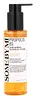
This foaming makeup remover is made to dissolve makeup, sunscreen, and daily buildup.
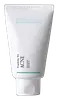
This mild gel cleanser is made to cleanse while calming and soothing your skin.

What's inside
What's inside
 Key Ingredients
Benefits
Concerns
Ingredients Side-by-side
Honey
Humectant
Royal Jelly Extract
Skin Conditioning
Ceramide NP
Skin Conditioning




Vitis Vinifera Seed Oil
Emollient


Saponaria Officinalis Leaf Extract
AntimicrobialQuillaja Saponaria Bark Extract
CleansingSapindus Mukorossi Fruit Extract
Skin ConditioningOlea Europaea Leaf Extract
Perfuming
Oenothera Biennis Oil
Emollient

Lactobacillus/Soybean Ferment Extract
Skin ConditioningPortulaca Oleracea Extract
Skin Conditioning
Cinnamomum Cassia Bark Extract
Masking
Scutellaria Baicalensis Root Extract
Astringent
Origanum Vulgare Leaf Extract
Skin ConditioningChamaecyparis Obtusa Leaf Extract
Skin ConditioningSalix Alba Bark Extract
Astringent

Glycolipids
Skin ConditioningPhytosphingosine
Skin Conditioning
Sodium Cocoyl Glycinate
Cleansing
Sodium Cocoyl Apple Amino Acids
Foam Boosting
Potassium Cocoyl Hydrolyzed Oat Protein
Skin Conditioning
Babassuamidopropyl Betaine
CleansingCoco-Glucoside
Cleansing
Potassium Stearate
CleansingPotassium Myristate
EmulsifyingTromethamine
BufferingSodium Surfactin
CleansingGlyceryl Laurate
Emollient
Hydrogenated Lecithin
Emulsifying
Erythritol
Humectant
Caprylic/Capric Triglyceride
Masking
Butylene Glycol
Humectant
Dipropylene Glycol
HumectantC12-15 Alkyl Benzoate
AntimicrobialCaprylyl Glycol
Emollient
Hexylene Glycol
EmulsifyingEthylhexylglycerin
Skin ConditioningGlyceryl Caprylate
EmollientSodium Benzoate
Masking
Pentylene Glycol
Skin Conditioning
CI 17200
Cosmetic ColorantCI 19140
Cosmetic ColorantTetrasodium Glutamate Diacetate
ChelatingDisodium EDTA
ChelatingParfum
Masking

Honey, Royal Jelly Extract, Ceramide NP, Vitis Vinifera Seed Oil, Saponaria Officinalis Leaf Extract, Quillaja Saponaria Bark Extract, Sapindus Mukorossi Fruit Extract, Olea Europaea Leaf Extract, Oenothera Biennis Oil, Lactobacillus/Soybean Ferment Extract, Portulaca Oleracea Extract, Cinnamomum Cassia Bark Extract, Scutellaria Baicalensis Root Extract, Origanum Vulgare Leaf Extract, Chamaecyparis Obtusa Leaf Extract, Salix Alba Bark Extract, Glycolipids, Phytosphingosine, Sodium Cocoyl Glycinate, Sodium Cocoyl Apple Amino Acids, Potassium Cocoyl Hydrolyzed Oat Protein, Babassuamidopropyl Betaine, Coco-Glucoside, Potassium Stearate, Potassium Myristate, Tromethamine, Sodium Surfactin, Glyceryl Laurate, Hydrogenated Lecithin, Erythritol, Caprylic/Capric Triglyceride, Butylene Glycol, Dipropylene Glycol, C12-15 Alkyl Benzoate, Caprylyl Glycol, Hexylene Glycol, Ethylhexylglycerin, Glyceryl Caprylate, Sodium Benzoate, Pentylene Glycol, CI 17200, CI 19140, Tetrasodium Glutamate Diacetate, Disodium EDTA, Parfum
Water
Skin ConditioningCocamidopropyl Betaine
Cleansing
Sodium Methyl Oleoyl Taurate
CleansingPEG-75
HumectantAcrylates Copolymer
Glycerin
Humectant
Disodium Cocoamphodipropionate
CleansingPEG-120 Methyl Glucose Dioleate
Emulsifying
Dimethyl Sulfone
SolventPyridoxine Hcl
Skin ConditioningSalix Alba Bark Extract
Astringent
Forsythia Suspensa Fruit Extract
Antioxidant
Butylene Glycol
Humectant
Centella Asiatica Extract
Cleansing
Polygonum Cuspidatum Root Extract
Antioxidant
Scutellaria Baicalensis Root Extract
Astringent
Camellia Sinensis Leaf Extract
Antimicrobial

Glycyrrhiza Uralensis Root Extract
Skin Conditioning
Chamomilla Recutita Flower Extract
Masking
Rosmarinus Officinalis Leaf Extract
AntimicrobialSodium Chloride
MaskingCopper Tripeptide-1
Skin Conditioning
Allantoin
Skin Conditioning
Citric Acid
Buffering
Potassium Hydroxide
BufferingSodium Benzoate
Masking
Phenoxyethanol
Preservative
Disodium EDTA
ChelatingWater, Cocamidopropyl Betaine, Sodium Methyl Oleoyl Taurate, PEG-75, Acrylates Copolymer, Glycerin, Disodium Cocoamphodipropionate, PEG-120 Methyl Glucose Dioleate, Dimethyl Sulfone, Pyridoxine Hcl, Salix Alba Bark Extract, Forsythia Suspensa Fruit Extract, Butylene Glycol, Centella Asiatica Extract, Polygonum Cuspidatum Root Extract, Scutellaria Baicalensis Root Extract, Camellia Sinensis Leaf Extract, Glycyrrhiza Uralensis Root Extract, Chamomilla Recutita Flower Extract, Rosmarinus Officinalis Leaf Extract, Sodium Chloride, Copper Tripeptide-1, Allantoin, Citric Acid, Potassium Hydroxide, Sodium Benzoate, Phenoxyethanol, Disodium EDTA
Reviews
Ingredients Explained
These ingredients are found in both products.
Ingredients higher up in an ingredient list are typically present in a larger amount.
Butylene Glycol (or BG) is used within cosmetic products for a few different reasons:
Overall, Butylene Glycol is a safe and well-rounded ingredient that works well with other ingredients.
Though this ingredient works well with most skin types, some people with sensitive skin may experience a reaction such as allergic rashes, closed comedones, or itchiness.
Learn more about Butylene GlycolDisodium EDTA is a chelating agent. It grabs onto and deactivates metal ions that sneak into your products from water, packaging, or air.
This ingredient mainly works behind the scenes and helps with:
On top of that, this ingredient can counteract the effects of hard water by binding to the minerals in it.
One thing worth knowing is that Disodium EDTA has been shown to be a mild penetration enhancer. It can help other ingredients absorb into skin more effectively which can be a double-edged sword (great for actives, but can also make the active too strong if you have sensitive skin).
Clinical patch testing showed no significant skin irritation at typical use concentrations and minimal dermal absorption.
You'll most likely see this ingredient near the end of an ingredient list. It's typically found in concentrations less than 1%.
Learn more about Disodium EDTASalix Alba Bark Extract comes from the bark of the white willow tree. The official CosIng listing states this ingredient to have astringent, skin conditioning, soothing, and tonic properties.
Its star compound is salicin, a natural glucoside that is chemically related to salicylic acid. That's why you'll often see it marketed as a "natural BHA alternative" but that's a bit of a stretch.
Your skin can't convert salicin to salicylic acid because it needs specific enzymes that aren't present on the skin's surface. It won't behave like true salicylic acid, especially at the concentrations used in cosmetics.
However, this ingredient has its own perks. It contains flavonoids, polyphenols, and tannins that give it proven antioxidant and soothing properties.
An 8-week clinical study found a cream with 2% of this extract improved skin microcirculation, elasticity, and dark circles. This is most likely due to its role in increasing hyaluronic acid synthesis in fibroblasts and improved vascular integrity.
Another study found a topical serum with 0.5% salicin showed improvements in visible signs of aging, hyperpigmentation, and texture.
Just be careful if you have a known aspirin/salicylate allergy and be sure to consult with a medical professional about using this ingredient if you do.
Fun fact: Willow Bark extract has been used for thousands of years and ancient civilizations used white willow to help treat pain and fevers.
Learn more about Salix Alba Bark ExtractScutellaria Baicalensis Root Extract comes from the Baikal skullcap or Chinese skullcap plant. This plant is native to Northeast Asia and can be found in China, Mongolia, Korea, and Siberia.
In cosmetics, Scutellaria Baicalensis Root Extract provides antioxidant and anti-inflammatory benefits. This is due to the flavonoid composition of Scutellaria Baicalensis Root Extract.
In Chinese traditional folk medicine, Scutellaria Baicalensis Root Extract is used to help treat lung issues and hypertension.
Learn more about Scutellaria Baicalensis Root ExtractSodium Benzoate is a preservative. It's used in both cosmetic and food products to inhibit the growth of mold and bacteria. It is typically produced synthetically.
Both the US FDA and EU Health Committee have approved the use of sodium benzoate. In the US, levels of 0.1% (of the total product) are allowed.
Sodium benzoate works as a preservative by inhibiting the growth of bacteria inside of cells. It prevents the cell from fermenting a type of sugar using an enzyme called phosphofructokinase.
It is the salt of benzoic acid. Foods containing sodium benzoate include soda, salad dressings, condiments, fruit juices, wines, and snack foods.
Studies for using ascorbic acid and sodium benzoate in cosmetics are lacking, especially in skincare routines with multiple steps.
We always recommend speaking with a professional, such as a dermatologist, if you have any concerns.
Learn more about Sodium Benzoate

