

What's inside
What's inside
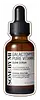 Key Ingredients
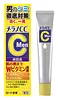
Benefits
Concerns
Ingredients Side-by-side
Galactomyces Ferment Filtrate
Humectant






Dipropylene Glycol
HumectantGlycerin
Humectant
Ascorbic Acid
Antioxidant



Butylene Glycol
Humectant
Niacinamide
Smoothing



Tromethamine
BufferingWater
Skin ConditioningTrehalose
Humectant
C12-14 Pareth-12
EmulsifyingAllantoin
Skin Conditioning
Hydroxyethylcellulose
Emulsion StabilisingXanthan Gum
EmulsifyingEthylhexylglycerin
Skin ConditioningAdenosine
Skin Conditioning
Citrus Aurantium Bergamia Fruit Oil
Masking


Hydrogenated Lecithin
Emulsifying
Glyceryl Acrylate/Acrylic Acid Copolymer
HumectantSodium Hyaluronate
Humectant
Pvm/Ma Copolymer
Emulsion StabilisingPolyglyceryl-10 Stearate
Skin Conditioning
Lavandula Angustifolia Oil
Masking

Panthenol
Skin Conditioning
Sodium Ascorbyl Phosphate
Antioxidant
Phenylethyl Resorcinol
Antioxidant
Propolis Extract
Skin Conditioning
Aronia Melanocarpa Fruit Extract
Skin ConditioningBambusa Vulgaris Extract
Skin Conditioning
Aspalathus Linearis Extract
Skin ConditioningSaccharide Hydrolysate
HumectantMaltodextrin
Absorbent
Ficus Carica Fruit Extract
Humectant
Phoenix Dactylifera Fruit Extract
EmollientTuber Magnatum Extract
Skin ConditioningPyridoxine
Skin ConditioningHouttuynia Cordata Extract
Skin Conditioning
Folic Acid
Skin ConditioningBiotin
AntiseborrhoeicOpuntia Ficus-Indica Extract
Skin Conditioning
Opuntia Coccinellifera Fruit Extract
Skin ConditioningCaprylic/Capric Triglyceride
Masking
Adansonia Digitata Seed Extract
Skin ConditioningLeuconostoc/Radish Root Ferment Filtrate
Antimicrobial
Sparassis Crispa Extract
Emulsion StabilisingCalendula Officinalis Flower
Skin Conditioning
Brassica Oleracea Italica Extract
AstringentTocopherol
Antioxidant
Cyanocobalamin
Skin ConditioningVaccinium Myrtillus Fruit Extract
Skin ConditioningVaccinium Macrocarpon Fruit Extract
AstringentVaccinium Angustifolium Fruit Extract
Skin Protecting
Rubus Idaeus Fruit Extract
AstringentRubus Fruticosus Fruit Extract
AstringentRibes Nigrum Fruit Extract
Astringent
Euterpe Oleracea Fruit Extract
Spirulina Maxima Extract
SmoothingThiamine Hcl
MaskingLinoleic Acid
Cleansing
Inositol
Humectant
Astaxanthin
Skin Conditioning
Caramel
Cosmetic ColorantLinalool
Perfuming

Limonene
Perfuming
Galactomyces Ferment Filtrate, Dipropylene Glycol, Glycerin, Ascorbic Acid, Butylene Glycol, Niacinamide, Tromethamine, Water, Trehalose, C12-14 Pareth-12, Allantoin, Hydroxyethylcellulose, Xanthan Gum, Ethylhexylglycerin, Adenosine, Citrus Aurantium Bergamia Fruit Oil, Hydrogenated Lecithin, Glyceryl Acrylate/Acrylic Acid Copolymer, Sodium Hyaluronate, Pvm/Ma Copolymer, Polyglyceryl-10 Stearate, Lavandula Angustifolia Oil, Panthenol, Sodium Ascorbyl Phosphate, Phenylethyl Resorcinol, Propolis Extract, Aronia Melanocarpa Fruit Extract, Bambusa Vulgaris Extract, Aspalathus Linearis Extract, Saccharide Hydrolysate, Maltodextrin, Ficus Carica Fruit Extract, Phoenix Dactylifera Fruit Extract, Tuber Magnatum Extract, Pyridoxine, Houttuynia Cordata Extract, Folic Acid, Biotin, Opuntia Ficus-Indica Extract, Opuntia Coccinellifera Fruit Extract, Caprylic/Capric Triglyceride, Adansonia Digitata Seed Extract, Leuconostoc/Radish Root Ferment Filtrate, Sparassis Crispa Extract, Calendula Officinalis Flower, Brassica Oleracea Italica Extract, Tocopherol, Cyanocobalamin, Vaccinium Myrtillus Fruit Extract, Vaccinium Macrocarpon Fruit Extract, Vaccinium Angustifolium Fruit Extract, Rubus Idaeus Fruit Extract, Rubus Fruticosus Fruit Extract, Ribes Nigrum Fruit Extract, Euterpe Oleracea Fruit Extract, Spirulina Maxima Extract, Thiamine Hcl, Linoleic Acid, Inositol, Astaxanthin, Caramel, Linalool, Limonene
Ascorbic Acid
Antioxidant
Pramoxine Hydrochloride
Salicylic Acid
Masking


O-Cymen-5-Ol
Antimicrobial
Ascorbyl Tetraisopalmitate
Antioxidant
Tocopherol
Antioxidant
Alpinia Zerumbet Seed Extract
Antimicrobial
Serine
Masking
Butylene Glycol
Humectant
Propanediol
Solvent
Isopentyldiol
Humectant
Propylene Glycol
Humectant
PEG-8
HumectantDipropylene Glycol
HumectantAlcohol
Antimicrobial
Sodium Metabisulfite
Antioxidant
Hydrogenated Castor Oil
Emollient
Parfum
Masking
Ascorbic Acid, Pramoxine Hydrochloride, Salicylic Acid, O-Cymen-5-Ol, Ascorbyl Tetraisopalmitate, Tocopherol, Alpinia Zerumbet Seed Extract, Serine, Butylene Glycol, Propanediol, Isopentyldiol, Propylene Glycol, PEG-8, Dipropylene Glycol, Alcohol, Sodium Metabisulfite, Hydrogenated Castor Oil, Parfum
Reviews
Ingredients Explained
These ingredients are found in both products.
Ingredients higher up in an ingredient list are typically present in a larger amount.
Ascorbic Acid is is pure Vitamin C and is the biologically active form used directly by skin.
Not only is vitamin C great for your overall health and immune system, but it also has plenty of benefits for your skin. It is best supported by academic literature for:
Topical vitamin C has been shown to help neutralize oxidative stress from UV and pollution, helping to improve photoaging and hyperpigmentation when used consistently.
One clinical study found that using 5% topical vitamin C for six months improved signs of photodamaged skin, both on the surface and in the deeper structural layers of the skin.
While vitamin C doesn’t replace sunscreen, studies show it can boost photoprotection when combined with Vitamin E and ferulic acid. These two ingredients help improve stability and protective effects.
The big downside of this ingredient is formulation difficulty. Vitamin C is prone to oxidation and doesn't penetrate the skin unless formulated correctly. Research found that vitamin C absorbs into the skin best at a low pH (< 3.5) with about 20% being the upper limit for effective absorption.
Skin levels can saturate after repeated application; this means your skin won’t keep absorbing more once it’s full of vitamin C. This is why more isn’t always better with vitamin C and why very high concentrations don’t necessarily give extra benefits.
Ascorbic acid generally works well with many skincare ingredients but can be irritating when combined with other active ingredients. Strong oxidizing acne treatments like benzoyl peroxide can reduce the effectiveness of vitamin C if they are used at the same time; they are often recommended for use at different times of day.
Read more about other types of Vitamin C:
Foods rich with vitamin C include oranges, strawberries, broccoli, bell peppers, and more. When consuming Vitamin C, your skin receives a portion of the nutrients.
Learn more about Ascorbic AcidButylene Glycol (or BG) is used within cosmetic products for a few different reasons:
Overall, Butylene Glycol is a safe and well-rounded ingredient that works well with other ingredients.
Though this ingredient works well with most skin types, some people with sensitive skin may experience a reaction such as allergic rashes, closed comedones, or itchiness.
Learn more about Butylene GlycolDipropylene Glycol is a synthetically created humectant, stabilizer, and solvent.
This ingredient helps:
Dipropylene glycol is technically an alcohol, but it belongs to the glycol family (often considered part of the ‘good’ alcohols). This means it is hydrating and gentle on skin unlike drying solvent alcohols like denatured alcohol.
As a masking agent, Dipropylene Glycol can be used to cover the smell of other ingredients. However, it does not have a scent.
Studies show Dipropylene Glycol is considered safe to use in skincare.
Learn more about Dipropylene GlycolTocopherol is a fat-soluble antioxidant known as Vitamin E.
You'll find this ingredient in the vast majority of skincare (for good reason). It works to neutralize free radicals, or unstable molecules generated by UV exposure, pollution, and other environmental stressors, before they can cause oxidative damage to your skin cells.
Topically applied tocopherol has been shown to protect against UV damage by ramping up the skin's own natural defense enzymes.
It also acts as a skin conditioning agent; some studies show that regular topical use can improve the skin's water-binding capacity over 2-4 weeks.
This ingredient is especially loved for being a team player. When combined with Vitamin C, the photoprotective effect of both ingredients roughly doubles and the combo also helps reduce UV-induced DNA damage.
This ingredient has some brightening potential but it's more of a prevention ingredient than spot-fader. Cell studies show it can slow down melanin production but it's worth noting that it's not the most powerful brightener out there.
In formulations, it also serves as a stabilizer that helps protect other oxidation-prone ingredients from degrading.
Concentrations usually range from 0.1-1% in most leave-on products.
Learn more about Tocopherol
