Smoochkins Rescue Me! 5x Ceramide Ectoin Barrier Gel Cream Versus Barefaced Ph Glazed Ultra Hydrating Sleeping Mask
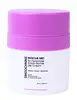
This barrier-repair moisturizer is formulated around Centella Asiatica Extract and Ectoin to strengthen the skin barrier and calm redness.
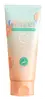
This hydrating overnight mask is formulated around Aloe Barbadensis Leaf Juice and Sodium Hyaluronate to hydrate skin and calm redness.

What's inside
What's inside
 Key Ingredients
Benefits
Concerns
Ingredients Side-by-side
Water
Skin ConditioningCaprylic/Capric Triglyceride
Masking


Glycerin
Humectant
C12-15 Alkyl Benzoate
AntimicrobialGlyceryl Stearate
Emollient

PEG-100 Stearate
Surfactant
Cyclopentasiloxane
Emollient
Dimethicone
Emollient
Dimethicone/Vinyl Dimethicone Crosspolymer
Skin Conditioning
Centella Asiatica Extract
Cleansing



Sodium Hyaluronate Crosspolymer
Humectant
Sodium Hyaluronate
Humectant
Hydrolyzed Sodium Hyaluronate
Skin Conditioning
Hyaluronic Acid
Humectant
Sodium Acetylated Hyaluronate
Humectant
Hydrolyzed Hyaluronic Acid
Humectant
Hydrolyzed Glycosaminoglycans
HumectantSaccharide Isomerate
Humectant
Butylene Glycol
Humectant
Soluble Proteoglycan
Skin ConditioningAllantoin
Skin Conditioning
Phenoxyethanol
Preservative
Ectoin
Skin Conditioning
Ceramide NP
Skin Conditioning
Cholesterol
Emollient
Ceramide Ns
Skin Conditioning
Ceramide As
Skin Conditioning
Ceramide AP
Skin Conditioning
Ceramide EOP
Skin Conditioning
Ethylhexylglycerin
Skin Conditioning1,2-Hexanediol
Skin Conditioning
Carbomer
Emulsion StabilisingAcrylates/C10-30 Alkyl Acrylate Crosspolymer
Emulsion StabilisingTriethanolamine
BufferingHydrogenated Lecithin
Emulsifying
Dipropylene Glycol
HumectantCitric Acid
Buffering

Sodium Citrate
BufferingTetrasodium EDTA
ChelatingWater, Caprylic/Capric Triglyceride, Glycerin, C12-15 Alkyl Benzoate, Glyceryl Stearate, PEG-100 Stearate, Cyclopentasiloxane, Dimethicone, Dimethicone/Vinyl Dimethicone Crosspolymer, Centella Asiatica Extract, Sodium Hyaluronate Crosspolymer, Sodium Hyaluronate, Hydrolyzed Sodium Hyaluronate, Hyaluronic Acid, Sodium Acetylated Hyaluronate, Hydrolyzed Hyaluronic Acid, Hydrolyzed Glycosaminoglycans, Saccharide Isomerate, Butylene Glycol, Soluble Proteoglycan, Allantoin, Phenoxyethanol, Ectoin, Ceramide NP, Cholesterol, Ceramide Ns, Ceramide As, Ceramide AP, Ceramide EOP, Ethylhexylglycerin, 1,2-Hexanediol, Carbomer, Acrylates/C10-30 Alkyl Acrylate Crosspolymer, Triethanolamine, Hydrogenated Lecithin, Dipropylene Glycol, Citric Acid, Sodium Citrate, Tetrasodium EDTA
Water
Skin ConditioningAloe Barbadensis Leaf Juice
Skin Conditioning
Glycerin
Humectant
Propylene Glycol
Humectant
Sodium Hyaluronate
Humectant
Centella Asiatica Oil
Antimicrobial

Hydrolyzed Collagen
Emollient
Panthenol
Skin Conditioning
Azelaic Acid
Buffering




Tranexamic Acid
Astringent
Niacinamide
Smoothing
Squalane
Emollient
Milk Protein
Skin ConditioningLaminaria Digitata Extract
Skin Protecting
Lecithin
Emollient
Allantoin
Skin Conditioning
Dipotassium Glycyrrhizate
Humectant
Alpha-Arbutin
Antioxidant
Argania Spinosa Kernel Oil
Emollient
Betaine
Humectant
Propanediol
Solvent
Sodium PCA
Humectant
Ceramide AP
Skin Conditioning
PEG-60 Hydrogenated Castor Oil
Emulsifying
Carbomer
Emulsion StabilisingTriethanolamine
BufferingDisodium EDTA
ChelatingMenthol
Masking


Ethylhexylglycerin
Skin ConditioningParfum
Masking

Water, Aloe Barbadensis Leaf Juice, Glycerin, Propylene Glycol, Sodium Hyaluronate, Centella Asiatica Oil, Hydrolyzed Collagen, Panthenol, Azelaic Acid, Tranexamic Acid, Niacinamide, Squalane, Milk Protein, Laminaria Digitata Extract, Lecithin, Allantoin, Dipotassium Glycyrrhizate, Alpha-Arbutin, Argania Spinosa Kernel Oil, Betaine, Propanediol, Sodium PCA, Ceramide AP, PEG-60 Hydrogenated Castor Oil, Carbomer, Triethanolamine, Disodium EDTA, Menthol, Ethylhexylglycerin, Parfum
Reviews
Ingredients Explained
These ingredients are found in both products.
Ingredients higher up in an ingredient list are typically present in a larger amount.
Allantoin is a soothing ingredient known for its protective and moisturizing properties; it's basically a quiet workhorse ingredient you can find in a huge range of cosmetics.
Though it can be derived from the comfrey plant, allantoin is produced synthetically for cosmetic products to ensure purity.
Research shows it can encourage your skin cells to turn over and renew by stimulating keratinocyte and fibroblast proliferation.
It also has mild keratolytic properties to help loosen and shed dead skin cells without being harsh.
Studies also suggest allantoin can help calm inflammation by dialing down some of the chemical signals your skin sends out when it is irritated.
This ingredient is typically used in the 0.1-0.5% range, and the FDA recognizes it as a skin protectant in OTC products up to 2%.
Overall, allantoin is a wonderful addition to most routines; it is stable across a wide pH range (~4-8), works well with other ingredients, and is considered non-sensitizing/non-irritating.
Fun fact: Allantoin is naturally occurring in comfrey root, beets, chamomile, and wheat sprouts. Our bodies even produce it as a byproduct of uric acid metabolism.
Learn more about AllantoinCarbomer is a synthetic thickening and gelling agent. It's basically the ingredient that gives a lot of serums, gels, creams, and sunscreens their smooth, non-sticky texture.
Although legally permitted at very high levels, carbomers are normally used at concentrations below 1%.
It also needs to be neutralized to actually thicken, and because it is a large molecule, it doesn't really penetrate the skin barrier.
Allergy-wise, the risk is very low. Clinical studies show carbomers have low potential for skin irritation/sensitization even at concentrations up to 100%.
A 2024 UK study patch-tested 1,302 patients and found true allergy to the parent group of carbomer to be rare with no confirmed relevant reactions.
Learn more about CarbomerCeramide AP is is a skin-identical lipid that mimics what your skin already makes naturally. Ceramides help maintain epidermal integrity and barrier function.
You'll often see this ingredient paired with other ceramides (like ceramide NP), cholesterol, or fatty acids because this combination best mimics the natural lipid mix your skin already has.
The skin's ability to produce ceramides gets disrupted in skin conditions like eczema. This in turn weakens the skin barrier and applying ceramides topically has been shown to replenish what's been lost to restore barrier function.
Most of the studies with Ceramide AP test it as part of a multi-ceramide complex; studies reinforce ceramide AP's role in rebalancing ceramides in skin and improving skin hydration.
Learn more about Ceramide APEthylhexylglycerin is created from glycerin. It is a multitasker ingredient that:
The CIR Expert Panel found minimal skin absorption or sensitization of any kind in a safety assessment. Though this ingredient is considered well-tolerated, a small number of cases of allergic dermatitis have been published since 2002. Just be sure to patch test if you are unsure.
Industry-reported use ranges from 8% in rinse-off products and 2% in leave-on formulations.
Learn more about EthylhexylglycerinGlycerin (or glycerol) is a compound naturally found in your skin. It's a powerhouse humectant that pulls water into the stratum corneum.
Topically, glycerin does several things at once:
Your skin makes glycerin on its own (mostly from sebaceous oil breakdown) and shuttles it to your outermost layer of skin, or your epidermis, via aquaporin-3.
Aquaporin-3 is a transporter that is essential for normal skin hydration, elasticity, and repair. Interestingly, mice lacking in AQP3 have dry and less elastic skin that can be fully corrected with glycerin.
This ingredient is non-irritating, plays well with almost every ingredient, and works across all skin types. Typical use is anywhere between 3-10% but can go up to 79% in some leave-on products.
Just know very high concentrations (>40%) can feel tacky in low humidity.
Glycerin is the name for this ingredient in American English. British English uses Glycerol/Glycerine.
Learn more about GlycerinSodium Hyaluronate is the salt form of hyaluronic acid. It is a long sugar chain that is naturally found in your skin, joints, and connective tissue that maintains hydration and elasticity.
In skincare, it works as a humectant. It pulls water from the environment and deeper layers of skin and binds it to the surface.
Interestingly, the size of the molecule affects its behavior:
Some clinical evidence links low molecular weight versions to improved wrinkle depth, elasticity, anti-inflammatory effects, and barrier repair.
Many serums use a blend of both weights so you can get surface hydration plus longer-lasting and deeper effects.
You'll typically see concentrations between 0.1-2% for this ingredient.
Learn more about Sodium HyaluronateTriethanolamine (TEA) is an emulsifier and pH adjuster. It is created using ethylene oxide and ammonia. This gives Triethanolamine a nitrogen core and a similar scent to ammonia.
As an emulsifier, it prevents ingredients from separating and enhances texture by adding volume to a product.
PH adjusters are common in cosmetic products. The pH of a product can affect the effectiveness of other ingredients. A product with a high pH may also irritate the skin.
If you are looking for the tea leaf ingredient, click here.
Learn more about TriethanolamineWater. It's the most common cosmetic ingredient of all. You'll usually see it at the top of ingredient lists, meaning that it makes up the largest part of the product.
So why is it so popular? Water most often acts as a solvent - this means that it helps dissolve other ingredients into the formulation.
You'll also recognize water as that liquid we all need to stay alive. If you see this, drink a glass of water. Remember to stay hydrated!
Learn more about Water

