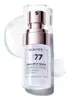
This brightening serum is formulated around Niacinamide and Acetyl Glucosamine to fade the look of dark spots and brighten dull-looking skin.
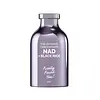
This calming serum is formulated around Potassium Azeloyl Diglycinate and Oryza Sativa Extract to calm redness and soften the look of wrinkles.


What's inside
What's inside
 Key Ingredients
Benefits
Concerns
No concerns
Ingredients Side-by-side
Water
Skin ConditioningButylene Glycol
Humectant

Niacinamide
Smoothing










Glycerin
Humectant
Glycereth-26
Humectant
Caprylic/Capric Triglyceride
Masking
Hydroxyacetophenone
Antioxidant
1,2-Hexanediol
Skin Conditioning
Acetyl Glucosamine
Skin Conditioning
Ectoin
Skin Conditioning
Squalane
Emollient
Simmondsia Chinensis Seed Oil
Emollient


Phenylethyl Resorcinol
Antioxidant
Maris Aqua
HumectantPancratium Maritimum Extract
BleachingAllantoin
Skin Conditioning
Hydrogenated Lecithin
Emulsifying
Sodium Hyaluronate
Humectant
Acrylates/C10-30 Alkyl Acrylate Crosspolymer
Emulsion StabilisingSodium Acrylates Copolymer
Tocopheryl Acetate
Antioxidant
Ceramide NP
Skin Conditioning
Lecithin
Emollient
Diethylamino Hydroxybenzoyl Hexyl Benzoate
UV Filter
Disodium EDTA
Methylpropanediol
SolventTocopherol
Antioxidant
Beta-Glucan
Skin Conditioning
Portulaca Oleracea Extract
Skin Conditioning
Phormidium Persicinum Extract
Antioxidant
Caprylhydroxamic Acid
Phenoxyethanol
Preservative
Fructose
Humectant
Hydrolyzed Rhodophyceae Extract
Phosphatidylcholine
EmulsifyingAminomethyl Propanol
BufferingPolysorbate 80
Emulsifying
Ethylhexyl Methoxycinnamate
UV Absorber

Phytosterols
Skin Conditioning
Sodium Stearoyl Glutamate
CleansingWater, Butylene Glycol, Niacinamide, Glycerin, Glycereth-26, Caprylic/Capric Triglyceride, Hydroxyacetophenone, 1,2-Hexanediol, Acetyl Glucosamine, Ectoin, Squalane, Simmondsia Chinensis Seed Oil, Phenylethyl Resorcinol, Maris Aqua, Pancratium Maritimum Extract, Allantoin, Hydrogenated Lecithin, Sodium Hyaluronate, Acrylates/C10-30 Alkyl Acrylate Crosspolymer, Sodium Acrylates Copolymer, Tocopheryl Acetate, Ceramide NP, Lecithin, Diethylamino Hydroxybenzoyl Hexyl Benzoate, Disodium EDTA, Methylpropanediol, Tocopherol, Beta-Glucan, Portulaca Oleracea Extract, Phormidium Persicinum Extract, Caprylhydroxamic Acid, Phenoxyethanol, Fructose, Hydrolyzed Rhodophyceae Extract, Phosphatidylcholine, Aminomethyl Propanol, Polysorbate 80, Ethylhexyl Methoxycinnamate, Phytosterols, Sodium Stearoyl Glutamate
Water
Skin ConditioningGlycerin
Humectant
Dipropylene Glycol
HumectantPotassium Azeloyl Diglycinate
Skin Conditioning
Butylene Glycol
Humectant
1,2-Hexanediol
Skin Conditioning
Sodium Polyacrylate
Absorbent
Pentylene Glycol
Skin Conditioning
Ammonium Polyacryloyldimethyl Taurate
Emulsion StabilisingDiphenyl Dimethicone
Emollient
Panthenol
Skin Conditioning
Triethylhexanoin
MaskingSodium Polyacryloyldimethyl Taurate
Emulsion StabilisingDimethicone
Emollient
Hydrolyzed Sponge
Skin ConditioningMelia Azadirachta Flower Extract
Skin ConditioningHydrogenated Lecithin
Emulsifying
Adenosine
Skin Conditioning
Coccinia Indica Fruit Extract
Skin Conditioning
Phenoxyethanol
Preservative
Allantoin
Skin Conditioning
Polyacrylate Crosspolymer-6
Emulsion StabilisingEthylhexylglycerin
Skin ConditioningCaprylyl Glycol
Emollient
Disodium EDTA
Eclipta Prostrata Extract
Skin Conditioning
Chlorphenesin
Antimicrobial
Ethyl Hexanediol
SolventSolanum Lycopersicum Fruit Extract
Antioxidant
Acetyl Hexapeptide-1
Skin Conditioning
Centella Asiatica Leaf
Skin Conditioning
Tocopherol
Antioxidant
Lecithin
Emollient
Acetyl Glutamine
Skin ConditioningSodium Hyaluronate
Humectant
Sh-Oligopeptide-1
Skin Conditioning
Sh-Polypeptide-1
Skin Conditioning
Sh-Polypeptide-9
Skin Conditioning
Bacillus/Folic Acid/Soybean Ferment Extract
Skin ConditioningSh-Polypeptide-11
Sh-Oligopeptide-2
Skin Conditioning
Oryza Sativa Extract
Absorbent
Cholesterol
Emollient
Nicotinamide Mononucleotide
Antioxidant
Nicotinamide Adenine Dinucleotide
Skin ConditioningAdenosine Triphosphate
Skin ConditioningResveratrol
Antioxidant
Water, Glycerin, Dipropylene Glycol, Potassium Azeloyl Diglycinate, Butylene Glycol, 1,2-Hexanediol, Sodium Polyacrylate, Pentylene Glycol, Ammonium Polyacryloyldimethyl Taurate, Diphenyl Dimethicone, Panthenol, Triethylhexanoin, Sodium Polyacryloyldimethyl Taurate, Dimethicone, Hydrolyzed Sponge, Melia Azadirachta Flower Extract, Hydrogenated Lecithin, Adenosine, Coccinia Indica Fruit Extract, Phenoxyethanol, Allantoin, Polyacrylate Crosspolymer-6, Ethylhexylglycerin, Caprylyl Glycol, Disodium EDTA, Eclipta Prostrata Extract, Chlorphenesin, Ethyl Hexanediol, Solanum Lycopersicum Fruit Extract, Acetyl Hexapeptide-1, Centella Asiatica Leaf, Tocopherol, Lecithin, Acetyl Glutamine, Sodium Hyaluronate, Sh-Oligopeptide-1, Sh-Polypeptide-1, Sh-Polypeptide-9, Bacillus/Folic Acid/Soybean Ferment Extract, Sh-Polypeptide-11, Sh-Oligopeptide-2, Oryza Sativa Extract, Cholesterol, Nicotinamide Mononucleotide, Nicotinamide Adenine Dinucleotide, Adenosine Triphosphate, Resveratrol
Reviews
Ingredients Explained
These ingredients are found in both products.
Ingredients higher up in an ingredient list are typically present in a larger amount.
1,2-Hexanediol is a synthetic liquid and another multi-functional powerhouse.
It is a:
- Humectant, drawing moisture into the skin
- Emollient, helping to soften skin
- Solvent, dispersing and stabilizing formulas
- Preservative booster, enhancing the antimicrobial activity of other preservatives
Allantoin is a soothing ingredient known for its protective and moisturizing properties; it's basically a quiet workhorse ingredient you can find in a huge range of cosmetics.
Though it can be derived from the comfrey plant, allantoin is produced synthetically for cosmetic products to ensure purity.
Research shows it can encourage your skin cells to turn over and renew by stimulating keratinocyte and fibroblast proliferation.
It also has mild keratolytic properties to help loosen and shed dead skin cells without being harsh.
Studies also suggest allantoin can help calm inflammation by dialing down some of the chemical signals your skin sends out when it is irritated.
This ingredient is typically used in the 0.1-0.5% range, and the FDA recognizes it as a skin protectant in OTC products up to 2%.
Overall, allantoin is a wonderful addition to most routines; it is stable across a wide pH range (~4-8), works well with other ingredients, and is considered non-sensitizing/non-irritating.
Fun fact: Allantoin is naturally occurring in comfrey root, beets, chamomile, and wheat sprouts. Our bodies even produce it as a byproduct of uric acid metabolism.
Learn more about AllantoinButylene Glycol (or BG) is used within cosmetic products for a few different reasons:
Overall, Butylene Glycol is a safe and well-rounded ingredient that works well with other ingredients.
Though this ingredient works well with most skin types, some people with sensitive skin may experience a reaction such as allergic rashes, closed comedones, or itchiness.
Learn more about Butylene GlycolDisodium EDTA is a chelating agent. It grabs onto and deactivates metal ions that sneak into your products from water, packaging, or air.
This ingredient mainly works behind the scenes and helps with:
On top of that, this ingredient can counteract the effects of hard water by binding to the minerals in it.
One thing worth knowing is that Disodium EDTA has been shown to be a mild penetration enhancer. It can help other ingredients absorb into skin more effectively which can be a double-edged sword (great for actives, but can also make the active too strong if you have sensitive skin).
Clinical patch testing showed no significant skin irritation at typical use concentrations and minimal dermal absorption.
You'll most likely see this ingredient near the end of an ingredient list. It's typically found in concentrations less than 1%.
Learn more about Disodium EDTAGlycerin (or glycerol) is a compound naturally found in your skin. It's a powerhouse humectant that pulls water into the stratum corneum.
Topically, glycerin does several things at once:
Your skin makes glycerin on its own (mostly from sebaceous oil breakdown) and shuttles it to your outermost layer of skin, or your epidermis, via aquaporin-3.
Aquaporin-3 is a transporter that is essential for normal skin hydration, elasticity, and repair. Interestingly, mice lacking in AQP3 have dry and less elastic skin that can be fully corrected with glycerin.
This ingredient is non-irritating, plays well with almost every ingredient, and works across all skin types. Typical use is anywhere between 3-10% but can go up to 79% in some leave-on products.
Just know very high concentrations (>40%) can feel tacky in low humidity.
Glycerin is the name for this ingredient in American English. British English uses Glycerol/Glycerine.
Learn more about GlycerinHydrogenated Lecithin is a more stable version of lecithin.
It's made by taking lecithin (a phospholipid commonly found in soybeans and egg yolks) and hydrogenating it. This just means the unsaturated fatty acids are turned into saturated ones so they don't go bad as easily.
This ingredient is an emollient, emulsifier, and penetration enhancer. As an emollient, it helps soften and hydrate skin by trapping moisture within. As an emulsifier, it prevents oil and water ingredients from separating.
Hydrogenated Lecithin can form tiny spherical structures made of phospholipid bilayers called liposomes. These liposomes are able to capture compounds inside their structure and deliver them through the skin barrier.
Because phospholipids are a natural component of our cell membranes, this ingredient is inherently compatible with skin.
A 2021 study found lecithin-based surfactants were less harsh and more tolerable comared to Sodium Lauryl Sulfate (SLS).
Learn more about Hydrogenated LecithinLecithin is a term for a group of substances found in the cell membranes of plants, animals, and humans. They are made up of phospholipids.
Thanks to its amphiphilic structure (water-loving head and oil-loving tail), it is a true multitasker:
It plays well with most ingredients and is typically used at 0.1-1%. However, concentrations up to 50% have been reported in moisturizers.
Learn more about LecithinPhenoxyethanol is one of the most widely used preservatives in skincare (and for good reason!).
It has a large spectrum of antimicrobial activity and especially effective bacteria, yeast, and mold while only having a weak effect on your skin's natural microbiome.
On a cellular level, it disrupts the cell membranes of microbes by poking holes that make the cell leak. This shuts down the chemical reactions the microbe needs to make energy so it can no longer survive.
Another perk of this ingredient is that it stays functional across a wide pH range (3-10).
You'll often see it paired with boosters like Ethylhexylglycerin; one study showed that a 1:9 ratio of Ethylhexylglycerin to Phenoxyethanol damages bacterial membranes as effectively as doubling the Phenoxyethanol concentration on its own.
Typical use concentrations range from 0.3-1% depending on the formula, and this ingredient is capped at 1% int the EU.
Safety-wise, the fear mongering does not hold up to the evidence. The EU's Scientific Committee on Consumer Safety and FDA consider it safe as a preservative at up to 1%, including for children of all ages.
Adverse systemic effects only showed up in animal studies at exposures roughly 200x higher than what people get from cosmetics. And despite its very widespread use, this ingredient is a rare sensitizer and allergic reactions are uncommon.
Learn more about PhenoxyethanolSodium Hyaluronate is the salt form of hyaluronic acid. It is a long sugar chain that is naturally found in your skin, joints, and connective tissue that maintains hydration and elasticity.
In skincare, it works as a humectant. It pulls water from the environment and deeper layers of skin and binds it to the surface.
Interestingly, the size of the molecule affects its behavior:
Some clinical evidence links low molecular weight versions to improved wrinkle depth, elasticity, anti-inflammatory effects, and barrier repair.
Many serums use a blend of both weights so you can get surface hydration plus longer-lasting and deeper effects.
You'll typically see concentrations between 0.1-2% for this ingredient.
Learn more about Sodium HyaluronateTocopherol is a fat-soluble antioxidant known as Vitamin E.
You'll find this ingredient in the vast majority of skincare (for good reason). It works to neutralize free radicals, or unstable molecules generated by UV exposure, pollution, and other environmental stressors, before they can cause oxidative damage to your skin cells.
Topically applied tocopherol has been shown to protect against UV damage by ramping up the skin's own natural defense enzymes.
It also acts as a skin conditioning agent; some studies show that regular topical use can improve the skin's water-binding capacity over 2-4 weeks.
This ingredient is especially loved for being a team player. When combined with Vitamin C, the photoprotective effect of both ingredients roughly doubles and the combo also helps reduce UV-induced DNA damage.
This ingredient has some brightening potential but it's more of a prevention ingredient than spot-fader. Cell studies show it can slow down melanin production but it's worth noting that it's not the most powerful brightener out there.
In formulations, it also serves as a stabilizer that helps protect other oxidation-prone ingredients from degrading.
Concentrations usually range from 0.1-1% in most leave-on products.
Learn more about TocopherolWater. It's the most common cosmetic ingredient of all. You'll usually see it at the top of ingredient lists, meaning that it makes up the largest part of the product.
So why is it so popular? Water most often acts as a solvent - this means that it helps dissolve other ingredients into the formulation.
You'll also recognize water as that liquid we all need to stay alive. If you see this, drink a glass of water. Remember to stay hydrated!
Learn more about Water

