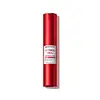
This anti-aging serum is formulated around Hydroxypinacolone Retinoate and Retinol to soften the look of wrinkles and refine skin texture.
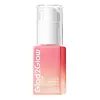
This anti-aging serum is formulated around Madecassoside and Retinol to soften the look of wrinkles and refine skin texture.


What's inside
What's inside
 Key Ingredients
Benefits
Concerns
Ingredients Side-by-side
Cyclopentasiloxane
Emollient
Dimethicone
Emollient
Dimethicone/Vinyl Dimethicone Crosspolymer
Skin Conditioning
Caprylic/Capric Triglyceride
Masking


Mauritia Flexuosa Fruit Oil
Skin Conditioning




Simmondsia Chinensis Seed Oil
Emollient
Dimethiconol
Emollient
Hydroxypinacolone Retinoate
Skin Conditioning






Phytol
Emollient

Olea Europaea Fruit Oil
Masking
Retinyl Linoleate
Skin Conditioning
Ubiquinone
Antioxidant
Bisabolol
Antioxidant

Squalane
Emollient
Dimethyl Isosorbide
SolventC12-15 Alkyl Benzoate
AntimicrobialDicaprylyl Ether
Emollient
Retinol
Skin Conditioning
Phytosteryl/Octyldodecyl Lauroyl Glutamate
Skin ConditioningTocopherol
Antioxidant
Retinal
Skin Conditioning
BHT
Antioxidant
Solanum Lycopersicum Fruit Extract
Antioxidant
Acmella Oleracea Extract
Skin ProtectingPolyglyceryl-4 Oleate
Emulsifying
Olea Europaea Leaf Extract
Perfuming
Myrtus Communis Leaf Extract
Perfuming
Dimethylmethoxy Chromanol
Antioxidant
Sorbitan Laurate
Emulsifying
C18-36 Acid Glycol Ester
EmollientC18-36 Acid Triglyceride
EmollientLactic Acid
Buffering
Palmitoyl Tripeptide-1
Skin Conditioning
Palmitoyl Tetrapeptide-7
Skin Conditioning
Canola Oil
Emollient
Daucus Carota Sativa Root Extract
Skin Conditioning
Helianthus Annuus Seed Oil
Emollient
Aroma
Beta-Carotene
Skin ConditioningTocopheryl Acetate
Antioxidant
Tridecane
Perfuming
Daucus Carota Sativa Seed Oil
Emollient
Undecane
EmollientCyclopentasiloxane, Dimethicone, Dimethicone/Vinyl Dimethicone Crosspolymer, Caprylic/Capric Triglyceride, Mauritia Flexuosa Fruit Oil, Simmondsia Chinensis Seed Oil, Dimethiconol, Hydroxypinacolone Retinoate, Phytol, Olea Europaea Fruit Oil, Retinyl Linoleate, Ubiquinone, Bisabolol, Squalane, Dimethyl Isosorbide, C12-15 Alkyl Benzoate, Dicaprylyl Ether, Retinol, Phytosteryl/Octyldodecyl Lauroyl Glutamate, Tocopherol, Retinal, BHT, Solanum Lycopersicum Fruit Extract, Acmella Oleracea Extract, Polyglyceryl-4 Oleate, Olea Europaea Leaf Extract, Myrtus Communis Leaf Extract, Dimethylmethoxy Chromanol, Sorbitan Laurate, C18-36 Acid Glycol Ester, C18-36 Acid Triglyceride, Lactic Acid, Palmitoyl Tripeptide-1, Palmitoyl Tetrapeptide-7, Canola Oil, Daucus Carota Sativa Root Extract, Helianthus Annuus Seed Oil, Aroma, Beta-Carotene, Tocopheryl Acetate, Tridecane, Daucus Carota Sativa Seed Oil, Undecane
Water
Skin ConditioningButylene Glycol
Humectant
Propylene Glycol
Humectant
Caprylic/Capric Glycerides Polyglyceryl-10 Esters
EmollientBetaine
Humectant
Prunus Persica Fruit Extract
Abrasive
Squalane
Emollient
Madecassoside
Antioxidant
Retinol
Skin Conditioning
Hydroxyacetophenone
Antioxidant
1,2-Hexanediol
Skin Conditioning
Cetearyl Olivate
Pentylene Glycol
Skin Conditioning
Sorbitan Olivate
Emulsifying
Acrylates/C10-30 Alkyl Acrylate Crosspolymer
Emulsion StabilisingAllantoin
Skin Conditioning
O-Cymen-5-Ol
Antimicrobial
Xanthan Gum
EmulsifyingAminomethyl Propanol
BufferingRetinyl Propionate
Skin Conditioning
Hydroxypinacolone Retinoate
Skin Conditioning
Hydroxyphenyl Propamidobenzoic Acid
Skin ConditioningAroma
Quaternium-73
Glycerin
Humectant
Caprylic/Capric Triglyceride
Masking
Polysorbate 80
Emulsifying
Polysorbate 20
Emulsifying
Phenoxyethanol
Preservative
Ethylhexylglycerin
Skin ConditioningWater, Butylene Glycol, Propylene Glycol, Caprylic/Capric Glycerides Polyglyceryl-10 Esters, Betaine, Prunus Persica Fruit Extract, Squalane, Madecassoside, Retinol, Hydroxyacetophenone, 1,2-Hexanediol, Cetearyl Olivate, Pentylene Glycol, Sorbitan Olivate, Acrylates/C10-30 Alkyl Acrylate Crosspolymer, Allantoin, O-Cymen-5-Ol, Xanthan Gum, Aminomethyl Propanol, Retinyl Propionate, Hydroxypinacolone Retinoate, Hydroxyphenyl Propamidobenzoic Acid, Aroma, Quaternium-73, Glycerin, Caprylic/Capric Triglyceride, Polysorbate 80, Polysorbate 20, Phenoxyethanol, Ethylhexylglycerin
Ingredients Explained
These ingredients are found in both products.
Ingredients higher up in an ingredient list are typically present in a larger amount.
Aroma refers to an ingredient, or mixture of ingredients, that impart or mask a flavor.
The name is slightly confusing. This is because INCI associates aroma with flavor instead of smell.
Here is the official definition from the The International Cosmetic Ingredient Dictionary and Handbook:
“Aroma is a term for ingredient labeling used to identify that a product contains a material or combination of materials normally added to a cosmetic to produce or to mask a particular flavor.”
INCI shows the only purpose of aroma to be "flavouring".
However, due to regulation differences, some companies may use aroma in place of parfum.
In Canada, this ingredient only has to be listed in concentrations above 1%.
Learn more about AromaCaprylic/Capric Triglyceride (aka MCT Oil) is a lightweight emollient, solvent, and texture enhancer. It is considered a skin-softener by helping to prevent moisture loss.
Though it behaves like an oil, it is not technically one due to its chemical composition. One perk of this ingredient is that it is very stable, resistant to oxidation, and unlikely to go rancid.
In practice, that translates to a long shelf life and a consistently elegant skin feel.
While there is an assumption Caprylic Triglyceride can clog pores due to it being derived from coconut oil, there is no research supporting this. Just patch test if you have concerns.
Fractionated coconut oil and MCT Oil are both listed as Caprylic/Capric Triglyceride according to INCI. This is because INCI names are based on the ingredient’s final chemical composition and not its marketing name or source.
This ingredient is treated as the gold standard fungal acne safe oil. Even though it is coconut derived, the problematic lauric acid is stripped out.
This leaves just caprylic (C8) and capric (C10) acid. These chain lengths actually trend antifungal; a 2020 study found caprylic acid was enough to disrupt Malassezia furfur cell membrane, with a caprylic acid derivative damaging membrane structures at concentrations as low as 0.2%.
Learn more about Caprylic/Capric TriglycerideHydroxypinacolone Retinoate (aka Granactive Retinoid or HPR) is a retinoid that is part of the same vitamin A family as retinol.
It is an ester of retinoic acid that binds directly to your skin's retinoic acid receptors so it doesn't need your skin to convert it through several steps before it can do anything.
In practice, this means it does the classic retinoid jobs in a formula:
The best part is that it can do all this with noticeably less redness, flaking, and stinging than traditional retinoids.
That gentle reputation is backed by lab work as well; a 2018 study on skin models found that HPR triggered higher retinoid-gene activity than retinol, retinal, or retinyl propionate at the same concentrations while being less irritating to cells.
It also boosted procollagen production to levels similar to retinoic acid itself.
A 2023 study showed HPR works synergistically with retinyl propionate to switch on collagen-building pathways and a 2025 clinical serum study in women with mild photoaging saw improvements in wrinkles and elasticity (though that formula also contained retinol, peptides, and Silybin).
One naming quirk worth mentioning:
You'll likely see this ingredient sold under the trade name "Granactive Retinoid", which is actually only 10% HPR blended with 90% Dimethyl Isosorbide solvent. This means a 5% Granactive Retinoid really only means about 0.5% HPR.
Finished products typically land somewhere between 0.05-1% and it's happiest formulated at a mildly acidic to neutral pH (~5.5-6.5).
Another perk is that this is one of the more light- and temperature-stable retinoids which is a nice bonus for shelf life.
Learn more about Hydroxypinacolone RetinoateRetinol is one of the most studied anti-aging ingredients in skincare (and for good reason!).
It's a form of vitamin A that your skin converts into Retinoic Acid, the active molecule that actually does the work in your cells.
That conversion happens in two steps: your skin first turns Retinol into Retinaldehyde (also called Retinal), then turns Retinaldehyde into Retinoic Acid.
Retinol is converted to biologically active retinoic acid via retinaldehyde by dehydrogenases in a two-step oxidation process.
Each step is a little "upgrade" toward the active form which is part of why Retinol is gentler than prescription Retinoic Acid; your skin does the work gradually. This also explains where Retinol sits in the retinoid family.
Here is the retinoid family ranked roughly by strength: Retinyl Esters (like Retinyl Palmitate) < Retinol < Retinaldehyde < Retinoic Acid.
Retinoid activity increases in that order, while tolerance runs in reverse; retinyl esters are the gentlest and retinoic acid the most irritating.
The more conversion steps an ingredient needs, the gentler (and slower) it tends to be, so Retinol lands in a nice middle spot. It's more effective than the esters, gentler than prescription options.
Once it becomes Retinoic Acid, it binds to receptors inside your cells' nuclei (called RARs and RXRs). These receptor pairs bind to specific DNA motifs called retinoic acid response elements and act like switches that turn certain genes on or off.
In practice, this means a few things happen in a formula. It:
That last two are worth a closer look.
A study that tested Retinol directly (not just prescription Retinoic Acid) found that four weeks of retinol thickened the epidermis and switched on the genes for Collagen I and Collagen III, with more procollagen I and III showing up in the skin. And after twelve weeks, facial wrinkles were visibly reduced.
Retinoids more broadly stimulate the skin's synthesis of hyaluronan and other glycosaminoglycans, part of what gives skin a plumper, more hydrated look over time.
So even the gentler OTC form is doing real structural work (not just sitting on the surface).
It's also worth knowing Retinol isn't only a wrinkle ingredient; it can help with uneven tone, dark spots, rough texture, and the look of pores as well because it speeds up turnover and influences pigment.
The research backs this up as well.
A pooled analysis of six clinical studies found that 0.1% stabilized retinol improved all signs of photoaging versus vehicle as early as week 4 and through 12 weeks, with only a few mild cases of irritation.
Another study comparing concentrations found that 0.3% and 1% Retinol were similarly effective at remodeling photodamaged skin, but 0.3% caused fewer adverse reactions when used daily (a useful reminder that more isn't always better).
Retinol is about tenfold less potent than Retinoic Acid. This is why it works as a gentler, non-prescription option that builds results over time.
Typical concentrations range from 0.1-1%, with 0.1% to 0.3% being a well-supported sweet spot for visible benefits with good tolerability.
One quirk worth mentioning: Retinol is famously unstable.
It's highly sensitive to light and oxygen, and UV exposure breaks it down into a range of degradation products.
Real-world testing bears this out, with retinoid content in some products dropping anywhere from 0% to 80% after six months at room temperature, and even more at higher temperatures.
This is why good formulations lean on opaque, air-tight packaging (think tubes and pumps, not clear jars) and often "encapsulate" the Retinol to shield it.
Signs of oxidation include your product turning yellow or smelling "off". Keeping it somewhere cool and dark, and using it up within a few months of opening helps it stay effective.
The most common side effects are mild and temporary: usually some dryness, redness, or light peeling as your skin adjusts. These tend to settle with consistent and lower-frequency use.
Like all retinoids, Retinol works best with nightly use, a good moisturizer, and daytime sunscreen.
The "ramp up" method works well: start with Retinol once a week to give your skin time to adjust, which keeps irritation low. Slowly add more nights until you reach your goal frequency once your skin feels comfortable.
Retinoids also make your skin more sensitive to the sun in the first few weeks, so wear sunscreen every morning and protect your skin from direct sun while you build up tolerance.
One safety note: topical Retinoids aren't recommended during pregnancy or breastfeeding. Systemic absorption from creams is low but because high oral vitamin A is a known teratogen and topical safety data are limited, most clinicians recommend stopping retinoids when pregnant or trying to conceive.
Learn more about RetinolSqualane is the hydrogenated and shelf-stable form of squalene (a lipid that naturally occurs in human sebum).
It is an emollient and skin conditioning agent that is able to integrate seamlessly into the skin's lipid barrier without clogging pores.
This is due to how structurally similar it is to what your skin already produces.
Though it is mostly an emollient that helps soften and hydrate skin, it also has some humectant and occlusive action. Humectants help the skin retain moisture while occlusives seal it in, making squalane a triple-threat moisturizer.
Research shows it has antioxidant capabilities that help protect against stressors like UV exposure, specifically UVA induced oxidative stress. This study also found that it supports collagen biosynthesis in human dermal fibroblasts.
No clinical study has reported significant adverse effects and irritation reactions are very rare from this ingredient (even at 100% concentration).
Overall, it's a fantastic ingredient for hydration and is suitable for all skin types.
This depends on the source. Squalane can be derived from both plants and animals. Most squalane used in skincare comes from plants.
Please note: the source of squalane is only known if disclosed by the brand. We recommend reaching out to the brand if you have any questions about their squalane.
Read more about squalene with an "e".
Though squalane is often called an oil, it’s technically not one. It is a hydrocarbon, meaning it is only made of carbon and hydrogen. True oils are triglycerides and made of fatty acids and glycerol.
The term “oil-free” isn’t regulated so companies can define it however they want. Some exclude all oils, while others just avoid mineral oil or comedogenic oils.
Squalane has a comedogenic rating of 1 from the original 1972 study that tested raw ingredients under occlusion on rabbit ears. This system is not standardized or peer-reviewed, and using the raw ingredients is very different from how diluted cosmetic formulations are used on human skin.
A comedogenic rating of 1 means it is "unlikely to clog pores" according to the original rating system.
The overall formula of a product matters more than the individual ingredients on whether or not it will cause clogged pores.
Learn more about Squalane

