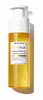
This oil-based makeup remover is made to dissolve makeup, sunscreen, and daily buildup.
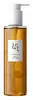
This oil-based cleanser is made to cleanse without leaving your skin tight or dry.


What's inside
What's inside
 Key Ingredients
Benefits
Concerns
Ingredients Side-by-side
Ethylhexyl Palmitate
Emollient




C12-20 Isoparaffin
Emollient
Paraffinum Liquidum
Emollient

PEG-20 Glyceryl Triisostearate
Emollient
Isopropyl Myristate
Emollient
Ethylhexyl Stearate
Emollient
Water
Skin ConditioningButylene Glycol
Humectant

Sorbeth-30 Tetraoleate
Emulsifying
Cetyl Ethylhexanoate
EmollientSimmondsia Chinensis Seed Oil
Emollient
Camellia Japonica Seed Oil
Emollient
Centella Asiatica Extract
Cleansing



Ceramide NP
Skin Conditioning
Ceramide Ns
Skin Conditioning
Ceramide As
Skin Conditioning
Ceramide EOP
Skin Conditioning
Ceramide AP
Skin Conditioning
Madecassic Acid
Skin Conditioning
Asiaticoside
Antioxidant
Polygonum Cuspidatum Root Extract
Antioxidant
Scutellaria Baicalensis Root Extract
Astringent
Camellia Sinensis Leaf Extract
Antimicrobial


Glycyrrhiza Glabra Root Extract
Bleaching
Chamomilla Recutita Flower Extract
Masking
Rosmarinus Officinalis Leaf Extract
AntimicrobialAsiatic Acid
Skin Conditioning
Glycerin
Humectant
Hydrogenated Lecithin
Emulsifying
Ethylhexylglycerin
Skin ConditioningCaprylyl Glycol
Emollient
Caprylic/Capric Triglyceride
Masking
Phenoxyethanol
Preservative
Aroma


Ethylhexyl Palmitate, C12-20 Isoparaffin, Paraffinum Liquidum, PEG-20 Glyceryl Triisostearate, Isopropyl Myristate, Ethylhexyl Stearate, Water, Butylene Glycol, Sorbeth-30 Tetraoleate, Cetyl Ethylhexanoate, Simmondsia Chinensis Seed Oil, Camellia Japonica Seed Oil, Centella Asiatica Extract, Ceramide NP, Ceramide Ns, Ceramide As, Ceramide EOP, Ceramide AP, Madecassic Acid, Asiaticoside, Polygonum Cuspidatum Root Extract, Scutellaria Baicalensis Root Extract, Camellia Sinensis Leaf Extract, Glycyrrhiza Glabra Root Extract, Chamomilla Recutita Flower Extract, Rosmarinus Officinalis Leaf Extract, Asiatic Acid, Glycerin, Hydrogenated Lecithin, Ethylhexylglycerin, Caprylyl Glycol, Caprylic/Capric Triglyceride, Phenoxyethanol, Aroma
Glycine Soja Oil
Emollient
Cetyl Ethylhexanoate
EmollientSorbeth-30 Tetraoleate
Emulsifying
Isododecane
EmollientOlea Europaea Fruit Oil
Masking
Camellia Japonica Seed Oil
Emollient
Hydrogenated Coconut Oil
Emollient
Octyldodecanol
Emollient
Polybutene
Caprylic/Capric Triglyceride
Masking
Water
Skin ConditioningTocopherol
Antioxidant
Salvia Officinalis Oil
Masking
Panax Ginseng Seed Oil
Emollient
Artemisia Vulgaris Oil
Perfuming
Ocimum Basilicum Oil
Masking
Corylus Avellana Seed Oil
Emollient
Nigella Sativa Seed Oil
Emollient
Butylene Glycol
Humectant
Panax Ginseng Berry Extract
Skin Conditioning
Glycerin
Humectant
1,2-Hexanediol
Skin Conditioning
Methylpropanediol
SolventPanax Ginseng Root Extract
Emollient
Ethyl Hexanediol
SolventPanax Ginseng Extract
Antioxidant
Panax Ginseng Leaf/Stem Extract
Skin ConditioningEthylhexylglycerin
Skin ConditioningGlycine Soja Oil, Cetyl Ethylhexanoate, Sorbeth-30 Tetraoleate, Isododecane, Olea Europaea Fruit Oil, Camellia Japonica Seed Oil, Hydrogenated Coconut Oil, Octyldodecanol, Polybutene, Caprylic/Capric Triglyceride, Water, Tocopherol, Salvia Officinalis Oil, Panax Ginseng Seed Oil, Artemisia Vulgaris Oil, Ocimum Basilicum Oil, Corylus Avellana Seed Oil, Nigella Sativa Seed Oil, Butylene Glycol, Panax Ginseng Berry Extract, Glycerin, 1,2-Hexanediol, Methylpropanediol, Panax Ginseng Root Extract, Ethyl Hexanediol, Panax Ginseng Extract, Panax Ginseng Leaf/Stem Extract, Ethylhexylglycerin
Reviews
Ingredients Explained
These ingredients are found in both products.
Ingredients higher up in an ingredient list are typically present in a larger amount.
Butylene Glycol (or BG) is used within cosmetic products for a few different reasons:
Overall, Butylene Glycol is a safe and well-rounded ingredient that works well with other ingredients.
Though this ingredient works well with most skin types, some people with sensitive skin may experience a reaction such as allergic rashes, closed comedones, or itchiness.
Learn more about Butylene GlycolThis ingredient is also known as Tsubaki oil, or the fixed oil from the seeds of the Japanese camellia.
It's basically a fatty acid delivery system (~75-85% oleic acid) plus some minor extras like squalene, tocopherols, and phytosterols.
That profile makes it a classic emollient; it works by hanging out with the skin's surface lipids, softens, and slows down water loss.
The most cited study on it was done on skin cells in a dish where this oil got them to make more of the building blocks for collagen while also slowing down the enzyme that breaks collagen down. Researchers tested this on human skin too; it didn't cause irritation and helped skin hold onto moisture better.
Another study done on cells and mice found this oil quieted down some of the body's inflammation signals.
These studies are still small, early, and not done on humans, so it's best to think of this ingredient as a great supporting ingredient for the rest of your routine and not the main active.
Concentrations can range from 1-5% in serums to 100% as a single face oil (how it's most traditionally used).
Because this ingredient is a triglyceride of long-chain fatty acids, this ingredient may not be Malassezia safe.
Allergies to this protein are quite rare as the refined seed oil contains very little residual protein. Human irritation testing also came back clean. But it is a plant and as with any botanical ingredient, contact allergy is possible.
Learn more about Camellia Japonica Seed OilCaprylic/Capric Triglyceride (aka MCT Oil) is a lightweight emollient, solvent, and texture enhancer. It is considered a skin-softener by helping to prevent moisture loss.
Though it behaves like an oil, it is not technically one due to its chemical composition. One perk of this ingredient is that it is very stable, resistant to oxidation, and unlikely to go rancid.
In practice, that translates to a long shelf life and a consistently elegant skin feel.
While there is an assumption Caprylic Triglyceride can clog pores due to it being derived from coconut oil, there is no research supporting this. Just patch test if you have concerns.
Fractionated coconut oil and MCT Oil are both listed as Caprylic/Capric Triglyceride according to INCI. This is because INCI names are based on the ingredient’s final chemical composition and not its marketing name or source.
This ingredient is treated as the gold standard fungal acne safe oil. Even though it is coconut derived, the problematic lauric acid is stripped out.
This leaves just caprylic (C8) and capric (C10) acid. These chain lengths actually trend antifungal; a 2020 study found caprylic acid was enough to disrupt Malassezia furfur cell membrane, with a caprylic acid derivative damaging membrane structures at concentrations as low as 0.2%.
Learn more about Caprylic/Capric TriglycerideCetyl Ethylhexanoate is an emollient ester. It comes from cetearyl alcohol and 2-ethylhexanoic acid.
Cetyl Ethylhexanoate is an emollient that adds a velvety feel to skin without being greasy or oily. Emollients help trap moisture into your skin, keeping your skin soft and hydrated.
Ethylhexylglycerin is created from glycerin. It is a multitasker ingredient that:
The CIR Expert Panel found minimal skin absorption or sensitization of any kind in a safety assessment. Though this ingredient is considered well-tolerated, a small number of cases of allergic dermatitis have been published since 2002. Just be sure to patch test if you are unsure.
Industry-reported use ranges from 8% in rinse-off products and 2% in leave-on formulations.
Learn more about EthylhexylglycerinGlycerin (or glycerol) is a compound naturally found in your skin. It's a powerhouse humectant that pulls water into the stratum corneum.
Topically, glycerin does several things at once:
Your skin makes glycerin on its own (mostly from sebaceous oil breakdown) and shuttles it to your outermost layer of skin, or your epidermis, via aquaporin-3.
Aquaporin-3 is a transporter that is essential for normal skin hydration, elasticity, and repair. Interestingly, mice lacking in AQP3 have dry and less elastic skin that can be fully corrected with glycerin.
This ingredient is non-irritating, plays well with almost every ingredient, and works across all skin types. Typical use is anywhere between 3-10% but can go up to 79% in some leave-on products.
Just know very high concentrations (>40%) can feel tacky in low humidity.
Glycerin is the name for this ingredient in American English. British English uses Glycerol/Glycerine.
Learn more about GlycerinSorbeth-30 Tetraoleate is a surfactant and emulsifier.
This ingredient is a tetraester from oleic acid and polyethylene glycol ether of sorbitol.
As an emulsifier, it helps ingredients such as oil and water mix together. This allows the dirt and oils in your skin to be washed away.
One study found pumpkin oil containing Sorbeth-30 Tetraoleate helped hydrate the skin and did not cause any irritation.
Learn more about Sorbeth-30 TetraoleateWater. It's the most common cosmetic ingredient of all. You'll usually see it at the top of ingredient lists, meaning that it makes up the largest part of the product.
So why is it so popular? Water most often acts as a solvent - this means that it helps dissolve other ingredients into the formulation.
You'll also recognize water as that liquid we all need to stay alive. If you see this, drink a glass of water. Remember to stay hydrated!
Learn more about Water

