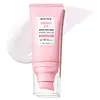
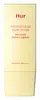
Skintific Bright Fit Serum Sunscreen SPF 50+ Versus House of Hur Weightless Sun Fluid SPF 50+ PA++++
This chemical sunscreen covers the full UV range and blocks ~98% of UVB at SPF 50.
This chemical sunscreen covers the full UV range and blocks ~98% of UVB at SPF 50.


What's inside
What's inside
 Key Ingredients
Benefits
Concerns
Ingredients Side-by-side
Water
Skin ConditioningOctocrylene
UV Absorber



Homosalate
Skin Conditioning
Phenylbenzimidazole Sulfonic Acid
UV Absorber
Vinyl Dimethicone/Methicone Silsesquioxane Crosspolymer


Butyl Methoxydibenzoylmethane
UV Absorber
Ethylhexyl Salicylate
UV Absorber
Bis-Ethylhexyloxyphenol Methoxyphenyl Triazine
UV Absorber
Niacinamide
Smoothing










Undecylenoyl Phenylalanine
Skin Conditioning
Tranexamic Acid
Astringent
Methylpropanediol
SolventSodium Stearoyl Glutamate
CleansingGlycerin
Humectant
Arbutin
Antioxidant

Glutathione
Curcuma Longa Root Extract
Antioxidant
Silica Dimethyl Silylate
EmollientGlyceryl Stearates
Emollient

Jojoba Esters
Emollient
Tromethamine
BufferingCetyl Alcohol
Emollient

Stearyl Alcohol
Emollient
Butylene Glycol
Humectant
Ceramide EOP
Skin Conditioning
Ceramide NP
Skin Conditioning
Ceramide AP
Skin Conditioning
Acrylates/C10-30 Alkyl Acrylate Crosspolymer
Emulsion StabilisingTocopherol
Antioxidant
Helianthus Annuus Seed Wax
Skin Conditioning
Ethylhexylglycerin
Skin ConditioningLactobacillus Ferment
Skin Conditioning
Carbomer
Emulsion StabilisingSphingomonas Ferment Extract
Skin Conditioning
1,2-Hexanediol
Skin Conditioning
Disodium EDTA
ChelatingPhytosphingosine
Skin Conditioning
Hydroxypropyl Cyclodextrin
MaskingPhenoxyethanol
Preservative
Dipropylene Glycol
HumectantPolyglycerin-3
Humectant
Pinus Densiflora Leaf Extract
Antimicrobial
Cholesterol
Emollient
Sodium Lauroyl Lactylate
EmulsifyingXanthan Gum
EmulsifyingWater, Octocrylene, Homosalate, Phenylbenzimidazole Sulfonic Acid, Vinyl Dimethicone/Methicone Silsesquioxane Crosspolymer, Butyl Methoxydibenzoylmethane, Ethylhexyl Salicylate, Bis-Ethylhexyloxyphenol Methoxyphenyl Triazine, Niacinamide, Undecylenoyl Phenylalanine, Tranexamic Acid, Methylpropanediol, Sodium Stearoyl Glutamate, Glycerin, Arbutin, Glutathione, Curcuma Longa Root Extract, Silica Dimethyl Silylate, Glyceryl Stearates, Jojoba Esters, Tromethamine, Cetyl Alcohol, Stearyl Alcohol, Butylene Glycol, Ceramide EOP, Ceramide NP, Ceramide AP, Acrylates/C10-30 Alkyl Acrylate Crosspolymer, Tocopherol, Helianthus Annuus Seed Wax, Ethylhexylglycerin, Lactobacillus Ferment, Carbomer, Sphingomonas Ferment Extract, 1,2-Hexanediol, Disodium EDTA, Phytosphingosine, Hydroxypropyl Cyclodextrin, Phenoxyethanol, Dipropylene Glycol, Polyglycerin-3, Pinus Densiflora Leaf Extract, Cholesterol, Sodium Lauroyl Lactylate, Xanthan Gum
Citrus Junos Fruit Extract
Skin ConditioningWater
Skin ConditioningHoney Extract
Humectant
Dibutyl Adipate
EmollientEthylhexyl Triazone
UV Absorber
Terephthalylidene Dicamphor Sulfonic Acid
UV Absorber
Silica
Abrasive
Butylene Glycol
Humectant
Methylpropanediol
SolventTromethamine
BufferingPolyglyceryl-3 Distearate
Emulsifying
1,2-Hexanediol
Skin Conditioning
Caprylyl Methicone
Skin Conditioning
Diethylamino Hydroxybenzoyl Hexyl Benzoate
UV Filter
Polysilicone-15
UV Filter
Ammonium Acryloyldimethyltaurate/Vp Copolymer
Potassium Cetyl Phosphate
EmulsifyingBis-Ethylhexyloxyphenol Methoxyphenyl Triazine
UV Absorber
Glyceryl Stearate
Emollient
Pentylene Glycol
Skin Conditioning
Polyacrylate Crosspolymer-6
Emulsion StabilisingHydroxyacetophenone
Antioxidant
Polyether-1
Glyceryl Stearate Citrate
Emollient
Ethylhexylglycerin
Skin ConditioningDisodium EDTA
ChelatingCitrus Junos Fruit Extract, Water, Honey Extract, Dibutyl Adipate, Ethylhexyl Triazone, Terephthalylidene Dicamphor Sulfonic Acid, Silica, Butylene Glycol, Methylpropanediol, Tromethamine, Polyglyceryl-3 Distearate, 1,2-Hexanediol, Caprylyl Methicone, Diethylamino Hydroxybenzoyl Hexyl Benzoate, Polysilicone-15, Ammonium Acryloyldimethyltaurate/Vp Copolymer, Potassium Cetyl Phosphate, Bis-Ethylhexyloxyphenol Methoxyphenyl Triazine, Glyceryl Stearate, Pentylene Glycol, Polyacrylate Crosspolymer-6, Hydroxyacetophenone, Polyether-1, Glyceryl Stearate Citrate, Ethylhexylglycerin, Disodium EDTA
Reviews
Ingredients Explained
These ingredients are found in both products.
Ingredients higher up in an ingredient list are typically present in a larger amount.
1,2-Hexanediol is a synthetic liquid and another multi-functional powerhouse.
It is a:
- Humectant, drawing moisture into the skin
- Emollient, helping to soften skin
- Solvent, dispersing and stabilizing formulas
- Preservative booster, enhancing the antimicrobial activity of other preservatives
This ingredient is better known as bemotrizinol or Tinosorb S and is one of the best broad-spectrum UV filters in modern sunscreen.
It works by absorbing UV light across a whole range (280-400 nm) with peaks around 310 nm (UVB) and 340-345 nm (UVA). This means it covers UVB plus the deeper UVA wavelengths that drive photoaging and pigmentation.
Another pro?
It's exceptionally photostable, barely degrades in sunlight, and acts as a "bodyguard" for less stable filters.
That's why you'll see it paired with avobenzone or octinoxate; this team up ensures they keep working through sun exposure.
Safety reviews have been reassuring across the board. This ingredient shows low absorption through the skin, rarely irritates, and lab studies found it doesn't act like a hormone in the body (a concern that's been raised about some older sunscreen filters).
On maximum concentrations:
In 2026, the US F.D.A finally added it as an OTC sunscreen ingredient at concentrations up to 6% for adults / children 6 months and older
Learn more about Bis-Ethylhexyloxyphenol Methoxyphenyl TriazineButylene Glycol (or BG) is used within cosmetic products for a few different reasons:
Overall, Butylene Glycol is a safe and well-rounded ingredient that works well with other ingredients.
Though this ingredient works well with most skin types, some people with sensitive skin may experience a reaction such as allergic rashes, closed comedones, or itchiness.
Learn more about Butylene GlycolDisodium EDTA is a chelating agent. It grabs onto and deactivates metal ions that sneak into your products from water, packaging, or air.
This ingredient mainly works behind the scenes and helps with:
On top of that, this ingredient can counteract the effects of hard water by binding to the minerals in it.
One thing worth knowing is that Disodium EDTA has been shown to be a mild penetration enhancer. It can help other ingredients absorb into skin more effectively which can be a double-edged sword (great for actives, but can also make the active too strong if you have sensitive skin).
Clinical patch testing showed no significant skin irritation at typical use concentrations and minimal dermal absorption.
You'll most likely see this ingredient near the end of an ingredient list. It's typically found in concentrations less than 1%.
Learn more about Disodium EDTAEthylhexylglycerin is created from glycerin. It is a multitasker ingredient that:
The CIR Expert Panel found minimal skin absorption or sensitization of any kind in a safety assessment. Though this ingredient is considered well-tolerated, a small number of cases of allergic dermatitis have been published since 2002. Just be sure to patch test if you are unsure.
Industry-reported use ranges from 8% in rinse-off products and 2% in leave-on formulations.
Learn more about EthylhexylglycerinMethylpropanediol is a synthetic solvent and humectant.
As a solvent, it helps dissolve other ingredients, helping to evenly distribute ingredients throughout the product. This ingredient has also been shown to have antimicrobial properties which makes it a preservative booster.
Methylpropanediol is able to add a bit of moisture to the skin. It also helps other ingredients be better absorbed into the skin, such as salicylic acid.
Learn more about MethylpropanediolTromethamine (aka THAM) is a synthetic amino acid that shows up in skincare as a helper ingredient.
It functions as a pH adjuster to help neutralize acidic ingredients and set a formula's pH to the right spot.
This matters a lot because a lot of actives (like vitamin C) needs a specific pH to work well and feel comfortable on skin.
Concentration use ranges from 0.1-1.0% depending on the formula.
Learn more about TromethamineWater. It's the most common cosmetic ingredient of all. You'll usually see it at the top of ingredient lists, meaning that it makes up the largest part of the product.
So why is it so popular? Water most often acts as a solvent - this means that it helps dissolve other ingredients into the formulation.
You'll also recognize water as that liquid we all need to stay alive. If you see this, drink a glass of water. Remember to stay hydrated!
Learn more about Water

