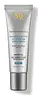
This mineral sunscreen covers the full UV range and blocks ~98% of UVB at SPF 50.
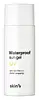
This chemical sunscreen covers most of the UV range, lighter on the deep UVA that drives aging.


What's inside
What's inside
 Key Ingredients
Benefits
Concerns
Ingredients Side-by-side
Titanium Dioxide
Cosmetic Colorant

Zinc Oxide
Cosmetic Colorant
Dimethicone
Emollient

C12-15 Alkyl Benzoate
AntimicrobialTalc
Abrasive
Dicaprylyl Ether
Emollient
Triethylhexanoin
MaskingIsohexadecane
EmollientDimethicone Crosspolymer
Emulsion Stabilising
Styrene/Acrylates Copolymer
Hydrogenated Jojoba Oil
Abrasive


Dimethicone/Vinyl Dimethicone Crosspolymer
Skin Conditioning
Aluminum Stearate
Cosmetic ColorantPEG-8 Laurate
Emulsifying
Triethoxycaprylylsilane
Silica Silylate
Emollient
2-Oleamido-1,3-Octadecanediol
Skin ConditioningAlumina
Abrasive
Aluminum Hydroxide
EmollientIron Oxides
Disodium Stearoyl Glutamate
CleansingPolyhydroxystearic Acid
Emulsifying
Titanium Dioxide, Zinc Oxide, Dimethicone, C12-15 Alkyl Benzoate, Talc, Dicaprylyl Ether, Triethylhexanoin, Isohexadecane, Dimethicone Crosspolymer, Styrene/Acrylates Copolymer, Hydrogenated Jojoba Oil, Dimethicone/Vinyl Dimethicone Crosspolymer, Aluminum Stearate, PEG-8 Laurate, Triethoxycaprylylsilane, Silica Silylate, 2-Oleamido-1,3-Octadecanediol, Alumina, Aluminum Hydroxide, Iron Oxides, Disodium Stearoyl Glutamate, Polyhydroxystearic Acid
Water
Skin ConditioningEthylhexyl Methoxycinnamate
UV Absorber
Homosalate
Skin Conditioning
Ethylhexyl Salicylate
UV Absorber
Diethylamino Hydroxybenzoyl Hexyl Benzoate
UV Filter
Propanediol
Solvent
Dimethicone Crosspolymer
Emulsion Stabilising
Pentylene Glycol
Skin Conditioning
Salvia Hispanica Seed Extract
Emollient
Centella Asiatica Extract
Cleansing


Houttuynia Cordata Extract
Skin Conditioning
Ammonium Acryloyldimethyltaurate/Vp Copolymer
Fructooligosaccharides
Humectant
Saccharide Hydrolysate
HumectantAcrylates/C10-30 Alkyl Acrylate Crosspolymer
Emulsion StabilisingEthylhexylglycerin
Skin ConditioningTriethanolamine
BufferingPullulan
Octyldodecanol
Emollient
1,2-Hexanediol
Skin Conditioning
Butylene Glycol
Humectant
Anthemis Nobilis Flower Extract
Masking
Echium Plantagineum Seed Oil
Skin Conditioning
Helianthus Annuus Seed Oil
Emollient
Persea Gratissima Fruit Extract
EmollientCalendula Officinalis Flower Extract
Masking
Cardiospermum Halicacabum Flower/Leaf/Vine Extract
Skin ConditioningDimethicone
Emollient
Xanthan Gum
EmulsifyingPolyglyceryl-3 Methylglucose Distearate
Emulsifying
Polysorbate 20
Emulsifying
Polyacrylate Crosspolymer-6
Emulsion StabilisingCI 77891
Cosmetic ColorantC12-15 Alkyl Benzoate
AntimicrobialTocopherol
Antioxidant



Glyceryl Stearate
Emollient
Aloe Barbadensis Leaf Extract
Emollient
PEG-100 Stearate
Surfactant
Aluminum Stearate
Cosmetic ColorantOleth-10
EmulsifyingPolyhydroxystearic Acid
Emulsifying
Alumina
Abrasive
Isodeceth-6
EmulsifyingT-Butyl Alcohol
Perfuming



Simethicone
Emollient
Phenoxyethanol
Preservative
Parfum
Masking
Water, Ethylhexyl Methoxycinnamate, Homosalate, Ethylhexyl Salicylate, Diethylamino Hydroxybenzoyl Hexyl Benzoate, Propanediol, Dimethicone Crosspolymer, Pentylene Glycol, Salvia Hispanica Seed Extract, Centella Asiatica Extract, Houttuynia Cordata Extract, Ammonium Acryloyldimethyltaurate/Vp Copolymer, Fructooligosaccharides, Saccharide Hydrolysate, Acrylates/C10-30 Alkyl Acrylate Crosspolymer, Ethylhexylglycerin, Triethanolamine, Pullulan, Octyldodecanol, 1,2-Hexanediol, Butylene Glycol, Anthemis Nobilis Flower Extract, Echium Plantagineum Seed Oil, Helianthus Annuus Seed Oil, Persea Gratissima Fruit Extract, Calendula Officinalis Flower Extract, Cardiospermum Halicacabum Flower/Leaf/Vine Extract, Dimethicone, Xanthan Gum, Polyglyceryl-3 Methylglucose Distearate, Polysorbate 20, Polyacrylate Crosspolymer-6, CI 77891, C12-15 Alkyl Benzoate, Tocopherol, Glyceryl Stearate, Aloe Barbadensis Leaf Extract, PEG-100 Stearate, Aluminum Stearate, Oleth-10, Polyhydroxystearic Acid, Alumina, Isodeceth-6, T-Butyl Alcohol, Simethicone, Phenoxyethanol, Parfum
Reviews
Ingredients Explained
These ingredients are found in both products.
Ingredients higher up in an ingredient list are typically present in a larger amount.
Alumina (aka aluminum oxide) is an inorganic mineral powder refined from bauxite that works as a quiet workhorse in a formula.
It shows up often as an abrasive, absorbent, anticaking, bulking, and viscosity-controlling agent.
One of its most common jobs is acting as a pigment carrier and dispersant.
Alumina platelets are often blended with inorganic sunscreens like Titanium Dioxide (or with colorants) and then coated with a silicone such as Triethoxycaprylylsilane so the pigment spreads evenly and smoothly.
In makeup, it can also double as a light-diffusing powder or oil absorber to keep formulas from looking greasy.
The Cosmetic Ingredient Review Expert Panel has concluded alumina to be safe in present practices of use and concentration.
They note it's a stable, oxidized compound and scientific research has failed to establish links to health issues.
Concentrations vary depending on the product:
Learn more about AluminaAluminum Stearate is the aluminum salt of the fatty acid, stearic acid. It is used to stabilize formulas, add thickness, and as a colorant.
Like other large lipophilic molecules, this ingredient has low dermal absorption.
Although “aluminum” in an ingredient name can raise red flags for some consumers, the form and usage context matter significantly.
For typical topical applications, there is no substantial evidence of health risks - such as cancer, neurotoxicity, or systemic “aluminum overload.”
Learn more about Aluminum StearateC12-15 Alkyl Benzoate is a lightweight emollient made by combinig benzoic acid with fatty alcohols that are 12-15 carbons long.
In cosmetics, it plays several roles:
The Cosmetic Review Expert Panel has concluded the alkyl benzoate group to be safe as used in cosmetics; it wasn't found to be a skin irritant and unlikely to be absorbed due to its low water solubility.
This report recorded almost 1000 reported uses with concentrations up to 59% in leave-on products but your cosmetics will typically use 0.5-15% depending on the product.
It's often called a "SPF booster": this is because it keeps UV filters properly dissolved and evenly distributed to support a sunscreen's performance. It doesn't actually raise SPF on its own.
Overall, this ingredient is well tolerated.
This ingredient is fungal acne safe because it is an ester of benzoic acid.
Think of this ingredient as two parts stuck together: an oily part and an acid part. Malassezia only gets a meal when it can snip off a fatty acid to eat. With C12-15 Alkyl Benzoate, the acid part is benzoic acid, which isn't a fatty acid and which the yeast can't use as food.
Benzoic acid is actually used as a preservative to stop yeast from growing.
The oily part is a blend of C12-15 fatty alcohols but fatty alcohols in this size range can support only a little Malassezia growth (mostly for one species of Malassezia as well).
In the ingredient, those alcohols stay locked inside the molecule. The yeast can only reach them by snipping the benzoate bond, and that type of bond is harder for it to cut than a normal fatty bond.
So not much gets released. And whatever does get snipped comes packaged with benzoic acid, which discourages yeast growth.
Learn more about C12-15 Alkyl BenzoateDimethicone is a type of synthetic silicone created from natural materials such as quartz. It is also known as polydimethylsiloxane.
What it does:
Dimethicone comes in different viscosities:
Depending on the viscosity, dimethicone has different properties.
Ingredients lists don't always show which type is used, so we recommend reaching out to the brand if you have questions about the viscosity.
This ingredient is unlikely to cause irritation because it does not get absorbed into skin. However, people with silicone allergies should be careful about using this ingredient.
Note: Dimethicone may contribute to pilling. This is because it is not oil or water soluble, so pilling may occur when layered with products. When mixed with heavy oils in a formula, the outcome is also quite greasy.
Learn more about DimethiconeDimethicone Crosspolymer is a silicone created by modifying dimethicone with hydrocarbon side chains. Due to its large size, it does not penetrate skin. It is considered non-occlusive.
Dimethicone Crosspolymer is used to stabilize and thicken products. It also helps give products a silky feel.
Polyhydroxystearic Acid is a vegetable-derived soft wax made from castor oil. It's an emulsion stabilizer, thickener, and film former.
You'll likely see it in sunscreens because it helps disperse pigments and UV-reflecting minerals like titanium dioxide and zinc oxide evenly.
Depending on the concentration, it can drastically change the texture of a product from pasty solid (like lipstick) to sprayable liquid.
The CIR Expert Panel for Cosmetic Ingredient Safety has concluded this ingredient to be safe in cosmetics. The highest reported use concentration is 14.2% in lipsticks.
Learn more about Polyhydroxystearic Acid

